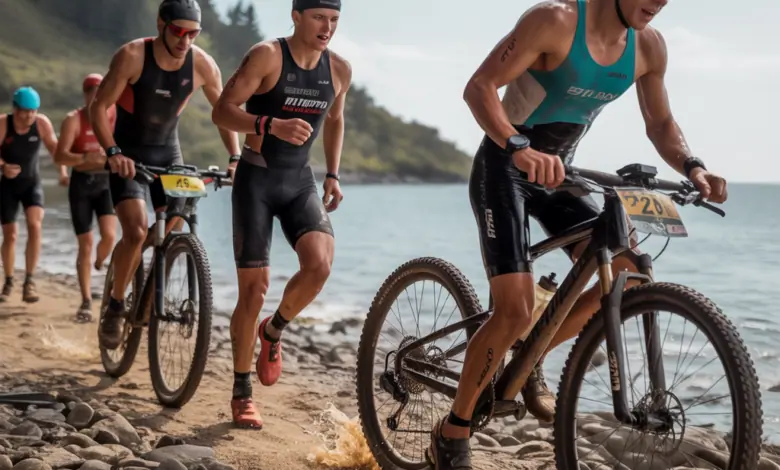
Have you ever pictured yourself diving into a choppy lake, climbing a muddy alpine singletrack, then finishing with a trail run that tests every step? If that image makes your heart race, you might be ready for xterra triathlon adventure racing. This off-road, multisport challenge blends open-water swimming, mountain biking, and trail running—perfect for athletes who crave technical terrain and big smiles at the finish line.
Xterra triathlon adventure racing: what makes it unique?
Xterra events are not your typical road triathlons. They demand bike handling skills, trail running agility, and strong open-water swim technique. Race courses often include steep climbs, rocky descents, and variable conditions like mud, sand, or heat. That diversity is what makes an xterra triathlon such a compelling multisport adventure—it’s equal parts fitness, bike skills, and mental grit.
Getting started: training principles for off-road triathlons
Begin with a base of endurance and gradually add sport-specific intensity. Focus on three pillars:
- Consistency — build weekly volume in swim, bike, and run without sudden jumps.
- Skill work — spend time on technical mountain biking and trail running drills.
- Strength and mobility — reduce injury risk and improve power on climbs and technical terrain.
Sample 8-week microcycle (intermediate)
- Monday: Active recovery + mobility (30–45 minutes)
- Tuesday: Swim intervals — 4x400m with 60s rest; focus on sighting and bilateral breathing
- Wednesday: Trail run intervals — 8×1 minute uphill hard, jog down recovery (45–60 minutes)
- Thursday: Mountain bike skills + 60–90 min ride (include 6 short, all-out climbs)
- Friday: Strength training — full body, emphasis on single-leg strength and core (45 min)
- Saturday: Long ride on mixed terrain (2–4 hours depending on level)
- Sunday: Brick workout — 60–90 min ride + 20–30 min trail run off the bike
Adjust durations to your race distance and fitness level. For sprint Xterra events reduce long ride time; for championship distances expand endurance weeks gradually.
Practical workout variations and drills
Open-water swim drills
- Sighting ladder: 100m easy, 25m sprint + sight, repeat 4–6 times.
- Draft practice: Swim with a partner to learn body position and pacing in packs.
- Buoy turns: Practice tight turns around buoys to save seconds during races.
Mountain biking and technical sessions
- Cornering practice on a grassy slope — focus on weight distribution and line choice.
- Brake control drills on short descents to maintain speed without overbraking.
- Singletrack repeats: 4–6 laps of a technical loop to build confidence under fatigue.
Trail running and downhill technique
- Cadence work on rolling terrain — aim for quick, light steps to reduce impact.
- Decent-focused repeats on steep trails to improve balance and confidence.
- Paced uphill intervals to build strength and climbing economy.
Strength, recovery, and lifestyle habits for race day
Strength training twice a week preserves muscle mass and improves power for short climbs and technical moves. Prioritize compound lifts and unilateral work: goblet squats, single-leg deadlifts, step-ups, and farmer carries. Add a mobility routine focused on hips, ankles, and thoracic rotation to maintain stride quality.
Recovery matters. Aim for 7–9 hours of sleep per night, hydrate consistently, and practice foam rolling and targeted stretching after long rides or runs. Mental recovery—like easy social rides or time outdoors—can be just as important in preventing burnout.
Nutrition and fueling strategies
For training and race day, focus on whole-food carbs, lean proteins, and healthy fats. In the weeks leading up to an event prioritize glycogen-rich meals and avoid drastic dietary changes. On race morning eat a familiar breakfast with easily digestible carbs (oatmeal, toast with banana) 2–3 hours pre-start.
During the bike segment use easily absorbed carbohydrates: gels, chews, or a bottle with 60–90g carbs per hour depending on intensity and duration. Practice your race nutrition in training so your gut knows what to expect. For personalized fueling, consult general guides or a sports nutrition plan that matches your training load.
For more structured meal ideas and timing, check out our nutrition guides.
Gear checklist and race-day tips
- Bike: Tune drivetrain, choose tires with good grip and puncture protection.
- Helmet and gloves: Lightweight, ventilated helmet and trail gloves improve control.
- Shoes: Trail running shoes with good traction; consider quick-lace systems for transitions.
- Wetsuit: If allowed and conditions are cold, a well-fitted wetsuit adds flotation and warmth.
- Transition practice: Set up a mock transition to learn efficient shoe and hydration handling.
Race tip: Walk the start of technical sections to save time and avoid a crash—one smart decision often beats a risky pass.
Real-world example: From gravel newbie to Xterra finisher
One client I coached went from nervous on singletrack to finishing her first xterra triathlon within a season. We focused on weekly tech sessions, short high-intensity climbs, and progressive brick workouts. The turning point was a confidence-building race simulation: she ate and changed gear exactly as she would on race day, which reduced stress and improved her transitions. That preparation turned a tentative start into a proud finish line photo.
If you want practical programming that blends skills and endurance, explore our workout routines for multisport athletes.
Frequently Asked Questions
1. Do I need a mountain bike to do an Xterra race?
No — many athletes use a hardtail or gravel bike for short Xterra events. However, for very technical courses a full-suspension mountain bike offers comfort and control. Match your bike to the course profile and your skill level.
2. How much swim training is enough?
For most Xterra distances, 2–3 swim sessions per week with a mix of technique and interval work is sufficient. Emphasize open-water sessions when possible to practice sighting and starts.
3. How should I taper before an off-road triathlon?
Reduce training volume by 40–60% in the final 7–10 days while keeping short intensity sessions to remain sharp. Prioritize sleep, hydration, and familiar nutrition in the last 48 hours before race day.
Conclusion — ready to start your Xterra triathlon adventure racing journey?
Xterra triathlon adventure racing is an exhilarating blend of swim, mountain bike, and trail run that rewards preparation, skill, and a love of the outdoors. Start with consistent training, sharpen your technical skills, dial in your nutrition, and practice transitions. If you’re hungry for structure, try a targeted training plan and tune your gear now so race day becomes a celebration of your progress.
Want customized workouts or a nutrition plan for your next off-road triathlon? Check our wellness tips and sign up for a training consultation to get started. See you on the trail!