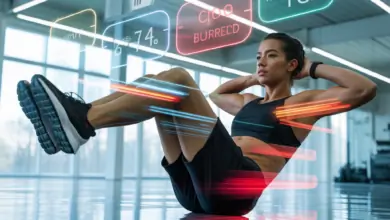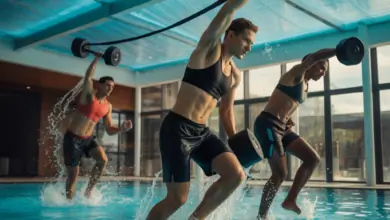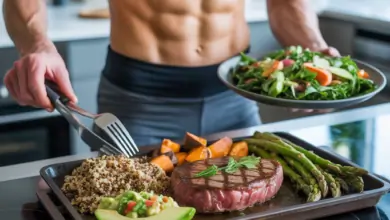
Have you ever stood at the gym door wondering whether to skip today’s sweat because your period started? You’re not alone. Whether you get cramps, fatigue, or heavy flow, small adjustments can turn an uncomfortable day into one where you still move, feel better, and protect your energy. These workout on period tips will help you train smarter — not harder — so your cycle becomes part of your fitness routine instead of an interruption.
Why exercising during your period can actually help
It’s a common myth that you must rest completely when menstruating. In reality, gentle movement can reduce cramps, boost mood, improve circulation, and ease bloating. Endorphins released during exercise act as natural painkillers and can help with PMS symptoms. The key is adapting intensity, choosing the right workouts, and prioritizing recovery.
Top workout on period tips for every phase of your cycle
Use these practical tips to guide your workouts from heavy-flow days to lighter days and the days right before your period.
1. Listen to your body — plan flexible sessions
- Scale intensity based on how you feel: opt for 20–30 minutes instead of a full hour, or swap HIIT for a brisk walk or yoga.
- Keep a plan B: have a low-impact option ready (e.g., elliptical, swimming, Pilates) if cramps or fatigue hit.
2. Prioritize low-impact and core-friendly moves during heavy or crampy days
- Low-impact cardio: walking, cycling, swimming, or elliptical for 20–40 minutes helps circulation without jarring the body.
- Core relief: gentle yoga flows (child’s pose, cat-cow, supine twists) and pelvic tilts to ease tension without aggressive abdominal bracing.
3. Strength training is still okay — just modify
- Focus on form and lighter loads with higher reps (8–15) rather than maxing out on heavy lifts.
- Prefer unilateral moves (step-ups, single-leg deadlifts) and machines for stability when balance feels off.
4. Use heat and recovery strategically
- Apply a heat pack pre- or post-workout to relax uterine muscles and reduce cramping.
- Prioritize sleep, hydration, and a post-workout protein + iron-rich snack (e.g., Greek yogurt with spinach or a nut butter banana) to support recovery.
Simple workout variations — real-world examples
Below are easy-to-follow sessions tailored to typical period symptoms. Pick one based on how you feel.
Light Day (low energy or mild cramps) — 20–30 minutes
- 5 min gentle dynamic warm-up (neck rolls, shoulder circles, leg swings)
- 15–20 min brisk walk or easy stationary bike
- 5–10 min gentle stretching or restorative yoga focusing on hips and lower back
Active Day (manageable energy, mild PMS) — 30–45 minutes
- 5–10 min warm-up
- 20–25 min moderate circuit: bodyweight squats, push-ups on knees, bent-over rows with light dumbbells, glute bridges (3 rounds, 10–12 reps)
- 5–10 min cool-down + foam rolling
High-Energy Day (feeling strong) — 30–50 minutes
- 10 min dynamic warm-up
- 20–30 min intervals: 1 min moderate run/cycle + 1 min brisk walk x 10 (or HIIT modifications if comfortable)
- Stretch and hydrate
Nutrition and lifestyle tips to support period workouts
What you eat and how you rest affects how well you can move during your period.
- Hydrate: aim for extra water, especially if you’re bloated or experiencing heavier flow.
- Prioritize iron-rich foods: lean red meat, spinach, lentils, fortified cereals, and vitamin C to aid absorption. Consider a blood test if you feel consistently fatigued.
- Balance blood sugar: eat small, frequent meals to avoid energy crashes—include protein, fiber, and healthy fats.
- Manage inflammation: include omega-3 sources (salmon, chia seeds) and antioxidant-rich fruits and vegetables.
Real-world example: how to tweak a training plan
Maria trains for 5 days a week. When her period starts she swaps her hardest lifting day for a mobility + low-impact cardio session. On days with cramps she shortens sessions to 20–30 minutes and adds extra stretching. This small cycle-aware approach keeps her consistent long-term and prevents burnout.
Gear and practical considerations
- Use comfortable menstrual products that match your activity: many find menstrual cups or high-absorbency tampons/pads work best for workouts.
- Bring extras to the gym—spare underwear and a towel if you’re worried about leaks.
- If you track your cycle, mark typical energy and symptoms so you can plan heavier sessions for high-energy phases.
Frequently Asked Questions
1. Can I exercise during my period?
Yes. For most people, exercise during menstruation is safe and can reduce cramps and boost mood. Adjust intensity according to symptoms and consult a healthcare provider if you have severe pain or heavy bleeding.
2. What are the best workouts when cramping?
Low-impact aerobic activity (walking, cycling, swimming), gentle yoga, and mobility work often help relieve cramps. Shorter, lower-intensity strength sessions can also be beneficial if you feel up to it.
3. Will working out worsen my period flow or symptoms?
Generally, physical activity does not make menstrual flow worse. In many cases, it alleviates symptoms. However, very intense activity may temporarily affect menstrual cycles in some athletes—monitor your body and adjust training frequency or intensity if you notice changes.
Want more tailored guidance?
If you’re building a cycle-aware program, check our internal resources for structured plans and nutrition ideas: see our workout routines page for period-friendly workouts, browse nutrition guides for iron- and energy-supporting meals, and explore wellness tips for recovery and stress management strategies.
Conclusion — Take control with simple workout on period tips
You don’t have to sit out your cycle to stay consistent. Use these workout on period tips to scale workouts, choose supportive foods, and prioritize recovery. Small adaptations will keep you active, ease symptoms, and protect long-term fitness progress. Ready to try a period-friendly session this week? Pick a 20–30 minute option from the variations above and commit to one movement—your body will thank you.
Have questions or want a customized plan? Leave a comment or sign up to get weekly cycle-aware training tips.