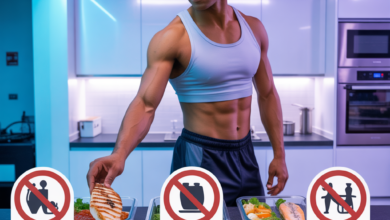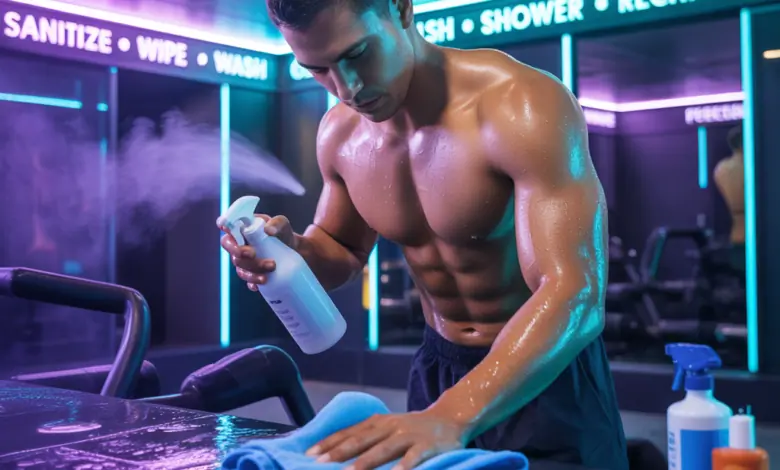
Ever finished a killer workout only to notice red bumps, a lingering smell, or that awkward skid on the gym bench? You’re not alone. Good workout hygiene isn’t just about smelling nice — it’s about preventing skin infections, protecting your immune system, and keeping your training consistent. In this guide, you’ll learn practical, everyday workout hygiene tips that make fitness safer, more comfortable, and more enjoyable.
Why Workout Hygiene Matters
Whether you’re lifting in a busy commercial gym, taking a group fitness class, or training at home, sweat and shared equipment create perfect conditions for bacteria, yeast, and fungi. Poor gym hygiene can lead to athlete’s foot, ringworm, staph infections, and even acne flare-ups. Beyond infections, clean habits help you feel confident, respect others, and extend the life of your gear.
Essential workout hygiene tips
Below are simple, effective habits you can adopt today. These fit into any fitness routine — from daily runs to CrossFit sessions — and use common-sense practices backed by real-world experience.
- Bring and use a clean towel: Place a towel down on shared benches or mats and wipe down equipment after use. Microfiber towels are lightweight and dry quickly.
- Wipe equipment before and after use: Use gym-provided disinfectant or a personal wipe. A quick wipe reduces bacterial transfer dramatically.
- Shower promptly after sweaty sessions: A post-workout shower reduces bacteria on your skin and helps prevent body acne and fungal infections. If you can’t shower immediately, at minimum change out of sweaty clothes.
- Wear breathable, moisture-wicking fabrics: Look for synthetic blends or merino wool for workouts; they move moisture away from skin and dry faster than cotton.
- Rotate workout clothes and wash frequently: Avoid wearing the same shirt twice without washing. Aim to launder workout gear after one or two uses, depending on sweat level.
- Clean shoes and socks: Indoor training shoes and damp socks are breeding grounds for odor-causing bacteria. Air out shoes and rotate pairs to let them dry.
- Keep hands clean: Wash hands or use sanitizer before and after touching communal equipment and before eating or touching your face.
- Use flip-flops in public showers: Protect your feet from athlete’s foot and other fungal infections.
- Don’t share personal items: Avoid sharing towels, razors, water bottles, or headphones to reduce cross-contamination.
- Manage small cuts or abrasions: Cover open wounds with breathable bandages during workouts to minimize infection risk.
Quick hygiene checklist to keep in your gym bag
- Microfiber towel
- Antibacterial wipes
- Flip-flops
- Extra socks and shirt
- Hand sanitizer
- Small first-aid kit (bandages, antiseptic wipes)
Post-workout hygiene routines and variations
Not every workout allows a full shower. Here are practical post-workout routines and workout variations that make maintaining hygiene simple.
When you can shower right away
- Cool down with stretching or a short walk to reduce sweat pooling.
- Shower with warm water and mild soap; focus on areas prone to sweat such as underarms, groin, and feet.
- Dry thoroughly — fungi thrive in damp environments.
When showering isn’t possible
- Change out of sweaty clothes immediately and store them in a breathable bag.
- Use body wipes or a wet cloth to clean high-sweat areas.
- Apply a fresh shirt and deodorant; consider dry shampoo to manage sweaty hair.
Workout variations to reduce hygiene hassles
If you’re short on time to clean up, pick workouts that minimize heavy sweating or access less-crowded options:
- Low-impact strength sessions instead of high-intensity interval training (HIIT)
- Outdoor runs where you can head home quickly
- Yoga or mobility work that requires a mat you control
Healthy lifestyle habits that support workout hygiene
Good hygiene goes hand-in-hand with broader healthy habits. These lifestyle choices reduce infection risk and keep your skin and immune system stronger.
- Nutrition: A balanced diet rich in protein, vitamins A, C, and D, and zinc supports skin repair and immune function. See our nutrition guides for meal ideas that fuel recovery.
- Hydration: Drink water during and after workouts to help regulate body temperature and flush toxins.
- Sleep: Aim for 7–9 hours per night — sleep is crucial for immune health and tissue repair.
- Stress management: High stress can impair immunity; incorporate breathing exercises, meditation, or walks to stay balanced. Check our wellness tips for easy practices.
- Regular check-ups: See a healthcare professional for persistent skin issues or recurring infections.
Real-world examples: small changes, big impact
Case 1: Sarah, a busy mom, used to skip showers after morning classes. After getting recurrent groin rashes she switched to quick body wipes, changed clothes immediately, and started laundering her leggings after every use. The rashes cleared within weeks.
Case 2: Marcus always left his sweaty shoes in his gym bag. He began rotating shoes, sprinkling baking soda to absorb moisture, and switching to breathable socks. His foot odor decreased and he avoided repeated athlete’s foot flare-ups.
Frequently Asked Questions
1. How soon should I shower after a workout?
Shower as soon as possible, ideally within 30–60 minutes. If you can’t, change out of sweaty clothes and use body wipes on key areas. Prompt showering helps prevent bacterial and fungal growth that causes acne and skin infections.
2. How often should I wash my workout clothes?
Wash shirts, bras, and socks after every use if you sweat heavily. For light sessions (e.g., low-intensity yoga), you can wear items 1–2 times, but air them out between uses. Avoid leaving damp clothes in your gym bag.
3. What’s the best way to clean gym equipment?
Use disinfectant wipes or sprays provided by the gym and follow the manufacturer’s contact-time instructions when possible. Wipe high-touch points like handles, benches, and touchscreens before and after use. Bring a small towel to create a barrier between you and shared surfaces.
Conclusion: Make good workout hygiene a habit
Adopting these workout hygiene tips — from wiping down equipment and showering promptly to choosing breathable fabrics and rotating gear — protects your skin, prevents illness, and helps you train consistently. Small changes in your routine lead to big benefits: fewer sick days, longer-lasting gear, and a better training experience for you and others. Ready to upgrade your fitness routine and stay healthy? Explore our workout routines, refine your post-exercise nutrition with our nutrition guides, and put these hygiene habits into action today.
Call to action: Start with one change this week — bring a towel and a pack of wipes to your next session. Notice the difference, and keep building better habits.