Ever opened your closet five minutes before a workout and found a mound of sweaty shirts, mismatched socks, and a tangled sports bra that kills your motivation? If you’re nodding, you’re not alone. A simple workout clothes organizer can transform that frantic pre-exercise scramble into a calm, focused routine—so you actually make it to the workout.
Why a Workout Clothes Organizer Matters
Keeping fitness apparel tidy isn’t just about aesthetics. Good organization saves time, extends the life of your athletic wear, reduces odors, and removes a common barrier between you and your training session. Whether you commute to the gym, live in a small apartment, or juggle kids and work, a reliable exercise clothes storage system helps you stay consistent.
Types of Workout Clothes Organizers (and Which One Fits You)
1. Drawer Dividers and Folded Stacks
Great for people who prefer to lay out outfits in advance. Use dividers for shorts, leggings, tops, and socks. Rolling instead of folding saves space and reduces wrinkles in moisture-wicking fabrics.
2. Hanging Organizers and Shelving Cubes
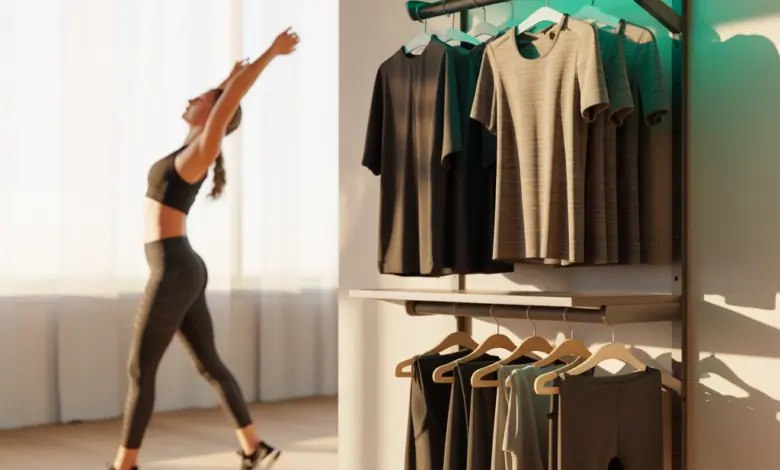
Perfect for small closets and renters. Hanging organizers keep favorite outfits front-and-center—ideal for early-morning runners or office commuters who pack a gym outfit for lunchtime sweat sessions.
3. Gym Bag Organizers and Packing Cubes
If you’re always on the go, a gym bag organizer keeps clean and dirty clothes separated, stores shoes, and holds toiletries. Look for ventilated compartments to avoid lingering smells.
4. Wall-Mounted Racks and Hooks
For home gyms or entryways, wall racks let you air out gear after workouts so fabrics dry properly. Add labeled hooks for “HIIT”, “YOGA”, or “RUN” to streamline outfit selection.
How to Choose the Best Workout Clothes Organizer
Picking the right fitness apparel organizer depends on your space, frequency of workouts, and types of training you do. Consider these key factors:
- Space: Small apartment? Prioritize vertical storage like hanging organizers or over-the-door solutions.
- Ventilation: For sweaty gear, breathable compartments or mesh bags prevent mold and odors.
- Portability: If you commute, a lightweight gym bag organizer or packing cubes are essential.
- Durability: Choose materials that withstand repeated wash cycles and regular use—nylon, mesh, or reinforced fabric work well.
- Visibility: Clear pockets or labeled sections help you find outfits fast and reduce decision fatigue.
Practical Tips to Keep Your Workout Wardrobe Fresh
- Set a laundry schedule: Wash frequently used items twice a week to avoid odor buildup and bacteria growth.
- Air-dry sweaty clothes on a rack before storing—prevents mildew and fabric breakdown.
- Rotate shoes and let them breathe; use shoe trees or inserts when possible.
- Use scent-free detergent for performance fabrics and avoid fabric softeners that damage wicking properties.
- Label compartments (e.g., “RUN”, “LIFT”, “YOGA”) to make outfit selection a 30-second decision.
Workout-Ready Outfit Ideas and Quick Routines
Pair your new organization system with these fast workouts that require minimal equipment—so you’ll never skip a session because you “can’t find anything to wear.”
20-Minute HIIT (No Equipment)
- Warm-up: 3 minutes jogging in place
- Circuit (repeat 4x): 30s burpees, 30s rest, 30s jump squats, 30s rest
- Cool-down: 2 minutes stretching
Strength Circuit (Dumbbells or Resistance Bands)
- 3 rounds: 10 goblet squats, 10 bent-over rows, 10 deadlifts, 30s plank
- Rest 60–90 seconds between rounds
Calming Recovery Flow (Yoga)
- 15-minute sequence focusing on hip openers and hamstring mobility
- Great to do in a clean outfit pulled from your yoga section in the organizer
Real-World Examples: Organizers That Changed Routines
Case study 1: Jenna, a working mom, switched to a wall-mounted rack with labeled hooks. She reduced outfit-prep time from 10 minutes to 2 minutes, making it easier to squeeze in a 20-minute AM routine three times a week.
Case study 2: Marco, a city commuter, uses packing cubes inside a ventilated gym bag. Clean/dirty divisions and ventilated shoe pockets stopped post-run odor issues and let him keep a professional wardrobe fresh for meetings.
Maintenance: Keep Your Organizer Working for You
Quarterly checks are enough to keep an organizer efficient:
- Empty and clean compartments—vacuum any lint and wash removable inserts
- Replace worn-out sections (zippers, straps) before they fail
- Purge items you haven’t worn in 6–12 months to reduce clutter
Frequently Asked Questions
1. What is the best workout clothes organizer for small spaces?
For small spaces, vertical hanging organizers, over-the-door pockets, or slim shelving cubes are excellent. They use unused vertical real estate and keep outfits visible and accessible.
2. How do I prevent my workout clothes from smelling when stored?
Air-dry sweaty items before storing, use breathable mesh compartments, wash frequently, and avoid sealing damp clothes in plastic. Adding baking soda sachets or activated charcoal to storage areas can help absorb odors.
3. Can I use the same organizer for gym gear and everyday clothes?
Yes. Many organizers have modular compartments that can be customized for athletic wear, shoes, and casual clothes. Just keep a clear separation between clean professional wear and sweaty workout gear.
Healthy Lifestyle Advice to Complement Your Organized Wardrobe
Organization supports consistency, but pairing it with simple lifestyle habits amplifies results:
- Plan workouts the night before and lay out your outfit—psychologically you’re more likely to follow through.
- Prep a quick post-workout snack (protein + carbs) so you refuel properly.
- Track progress in short bursts—three 20-minute sessions a week beats sporadic long workouts.
Want structured workouts to match your streamlined gear? Check out our workout routines and pair them with tips from our nutrition guides to maximize recovery. For more daily habits, visit our wellness tips page.
Conclusion: Make the Commitment—Start with an Organizer
Investing in a smart workout clothes organizer is a small change that pays big dividends: less stress, fresher gear, and more consistent workouts. Whether you pick a hanging organizer, packing cubes, or a labeled drawer system, the key is to create a routine around it. Try setting up your organizer tonight and plan tomorrow’s outfit—then commit to one focused workout. Your future, fitter self will thank you.
Call to action: Ready to stop dreading outfit decisions and start hitting your fitness goals? Choose an organizer that fits your life, set up a weekly laundry habit, and try one of the quick workouts above. Share your setup or ask for personalized suggestions in the comments below—let’s build consistency together.