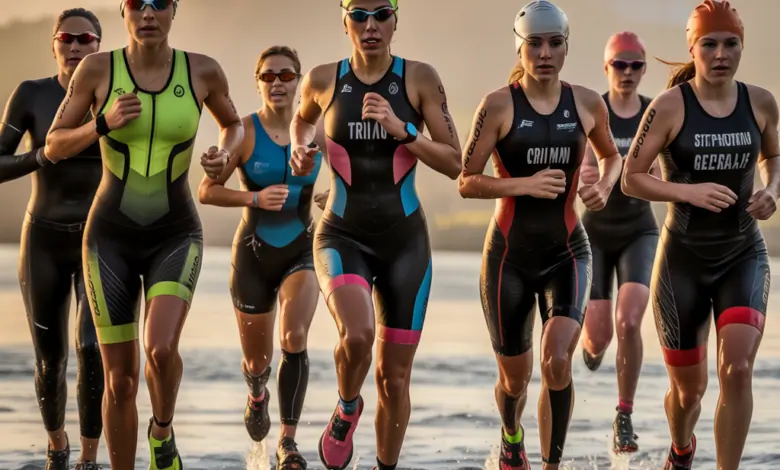
Ever stood on the start line wondering if your kit will make the race easier or harder? You’re not alone. Choosing the right women triathlon clothing for races can be the difference between a smooth transition and wasted minutes, between chafing and comfort, or between confidence and doubt. Let’s break down what to wear, why it matters, and how to tailor your gear to your race distance and goals.
Why proper triathlon clothing matters
Triathlon is three sports rolled into one—swimming, cycling, and running—so your clothing needs to perform across all three. The right tri suit or separates save time in transitions, reduce drag in the water, provide breathable comfort on the bike, and prevent chafing on the run. Beyond performance, good kit improves confidence: when you feel comfortable, you race better.
How to choose women triathlon clothing for races
Choosing race-day clothing depends on distance (sprint, Olympic, half/Ironman), water temperature, and your personal comfort. Here’s a practical guide to pick the right pieces.
Swim: wetsuit vs. tri suit
- Wetsuit: For cold open water, a women’s triathlon wetsuit improves buoyancy and speed. Look for flexible shoulder panels and a good fit that doesn’t restrict your stroke.
- Tri suit (full or sleeveless): If wetsuits aren’t allowed, a tri suit with quick-dry fabric and low drag is ideal. Long-course racers may prefer suits with slightly thicker fabric for modesty during longer swims.
Bike: padding, pockets and aerodynamics
Women’s triathlon shorts or a one-piece tri suit typically include a thin chamois designed for quick transitions. For short races, minimal padding is fine; for half/iron-distance events, choose a more comfortable pad. Look for:
- Rear pockets for gels and nutrition
- Breathable mesh panels for ventilation
- Aerodynamic fit without restricting your pedal stroke
Run: comfort and movement
On the run, lightweight, moisture-wicking fabric that prevents chafing matters most. Women-specific triathlon apparel often has flatlock seams, adjustable straps, and a cut that won’t ride up through transitions.
Top features to look for in women’s triathlon gear
When shopping, prioritize these features:
- Quick-drying fabric: so you’re not dragging water into the bike and run.
- Flat seams and ergonomic panels: to reduce chafing and improve fit.
- Easy-entry zippers and pockets: for fast transitions and on-the-go nutrition access.
- UV protection and breathability: for sunny race days.
- Female-specific fit: shoulder width, waist, and hip shaping designed for women’s bodies.
Race-day packing list and transition tips
A good checklist reduces stress. Lay out your transition area the night before and practice a few mock transitions during training.
- Tri suit or separate top and shorts with quick-dry fabric
- Wetsuit (if required), goggles, and swim cap
- Helmet, sunglasses, cycling shoes (or running shoes with elastic laces for quick entry)
- Chamois cream, anti-chafe balm, and sunscreen
- Nutrition: gels, electrolyte drink, and a small tube of energy chews
Set up your transition like a runway: shoes pointing out, helmet upside down for quick entry, glasses inside the helmet. Practice “bike mount and dismount” and quick changes to shave seconds off your race.
Training tips to match your clothing choices
Clothing decisions become smarter when tested in training. Use these workout variations to find what works best.
Brick workouts
Do 1–2 brick sessions per week (bike followed by run) to simulate race-day sensations and test tri shorts or suits. Start with shorter bricks (30–20) and progress to race distance efforts.
Swim-specific drills
Practice open-water sighting and swims in your wetsuit if you’ll race in one. Interval sets and sighting every 6–10 strokes will improve confidence and form.
Strength and mobility
Two weekly strength sessions focusing on glutes, core, and shoulders help maintain posture on the bike and reduce running injuries. Mobility work prevents tightness that can change how clothing fits mid-race.
Real-world examples
Case 1: Anna, a sprint triathlete, switched to a sleeveless tri suit with quick-dry fabric and shaved 90 seconds off her T1/T2 times after practicing transitions and using elastic laces.
Case 2: Maria, training for a half-distance, started using a tri short with a more cushioned pad and added a cycling-specific undershirt when temperatures dropped. Her comfort on long rides improved, and she avoided saddle soreness on race day.
Frequently Asked Questions
1. What is the best tri suit for women for races?
The best tri suit depends on distance and comfort preferences. For sprints, a lightweight sleeveless suit is ideal. For Olympic and longer races, a one-piece suit with slightly more coverage and storage pockets is practical. Prioritize fit and fabric over brand names.
2. Do women need a special chamois for triathlon?
Tri-specific chamois are thinner than road cycling pads to allow comfortable running after the bike. For short races, minimal padding is fine; for long-course events, choose a tri chamois designed for endurance rides to balance comfort and run readiness.
3. Can I race in a regular cycling kit?
You can, but regular cycling kits aren’t optimized for swimming and running. They may retain water, lack quick-dry fabric, and have padding that causes chafing on the run. Women triathlon clothing for races is designed to work across all three disciplines.
Healthy lifestyle habits to complement your gear
- Sleep: aim for 7–9 hours—recovery improves performance and how your clothing fits over race week.
- Hydration and electrolytes: maintain balance, especially when testing new gear in hot conditions.
- Nutrition timing: practice pre-race meals and gels in training to avoid GI issues on race day.
Conclusion: Ready to choose your race-day kit?
Choosing the right women triathlon clothing for races is both practical and empowering. Test gear during training, prioritize fit and quick-dry fabrics, and rehearse transitions to feel calm and confident on race morning. Want a sample training plan to try your kit in race-like conditions? Check out our workout routines and browse our nutrition guides to dial in fueling. Lace up, pack smart, and go race strong—your best kit is the one that lets you focus on the swim, bike, and run.
Ready to upgrade your tri wardrobe or fine-tune your race prep? Try one small change this week—practice a mock transition in your race kit—and see how much more confident you feel.