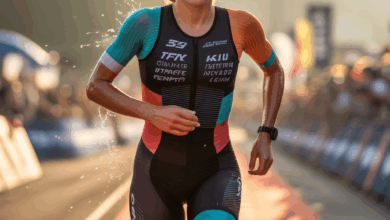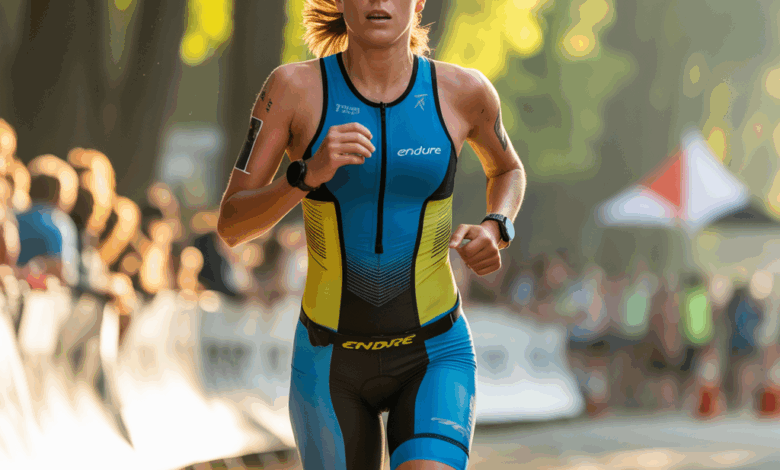
Have you ever stood in a transition area, heart racing, wondering if your kit will help you gain seconds or cost you them? Choosing the right women triathlon clothing for races can be the difference between a smooth transition and a frustrating stumble. Whether you’re lining up for your first sprint or chasing a personal best in an Olympic or half-Ironman, the right apparel keeps you comfortable, fast, and focused.
How to Choose Women Triathlon Clothing for Races
Picking race clothing for a triathlon is about more than looks. Think fabrics, fit, function, and how pieces perform across swim, bike, and run. Key features to look for include moisture-wicking materials, flatlock seams to prevent chafing, a comfortable chamois for cycling that doesn’t hinder running, and breathable panels for cooling. Below, we’ll walk through essential items and practical tips so you can choose gear that supports your race goals.
Tri Suits vs. Separates: Which Should You Race In?
- Tri suit (one-piece): Ideal for quick transitions and eliminating worry about a top riding up. Best for shorter races and athletes who want aerodynamic benefits.
- Two-piece (top + tri shorts): Offers flexibility and comfort for longer races. Easier bathroom stops and layering options make separates popular for half and full-distance events.
Fabrics and Fit: Comfort That Keeps You Moving
Look for quick-dry, breathable materials like polyester blends and technical Lycra with UV protection. Compression panels can boost muscle support and recovery, while strategically placed mesh vents improve airflow. Fit should be snug but not restrictive — you want a sleek profile on the bike and freedom for a full running stride.
Essential Race-Day Gear and Why It Matters
Beyond your suit, these items make a measurable difference on race day.
- Wetsuit that fits your body: If your event allows wetsuits, fit is crucial to avoid shoulder restriction in the swim.
- Cycling shorts or tri shorts: A tri-specific chamois is thinner and designed to be run-friendly; regular cycling shorts can be bulky for the run.
- Race bib and belt: Easily transfer from bike to run with a lightweight race belt.
- Socks, shoes, and quick-lace systems: Elastic laces save time in T2 and keep feet secure.
- Sports bra with support and quick-dry fabric: Choose one that balances comfort in the water and support on the run.
- Anti-chafe balm and preventive tape: Apply to high-friction areas during long training and races.
Practical Training Tips for Clothing and Comfort
Train in the gear you plan to race in. This is non-negotiable. Chafing, pressure points, and unexpected rubbing usually show up first during long hours on the bike or repeated brick workouts.
Workout Variations to Test Your Kit
- Brick sessions (bike then run): Do several bricks in race kit to test chamois comfort, bib placement, and runform.
- Open-water swims with the wetsuit: Practice sighting and stripping in shallow water to mimic race transitions.
- Interval rides in race gear: Test aerodynamics and ventilation under race-intensity efforts.
Real-World Example
Jane, a busy working mom and age-group triathlete, switched from traditional cycling shorts to tri shorts after struggling with chafing during brick workouts. She practiced two bricks per week in her new kit and shaved 90 seconds off T2 time due to easier movement and quicker drying. Small adjustments yielded a big race-day payoff.
Healthy Lifestyle Advice to Complement Your Gear
Your clothing helps, but nutrition, sleep, and recovery amplify that benefit. Focus on a balanced plate with lean protein, complex carbs, and healthy fats in the weeks leading up to the race. Prioritize 7–9 hours of quality sleep to support recovery and cognitive performance on race day. Hydration strategies and electrolyte balance are particularly important for maintaining comfort in tight-fitting garments and preventing cramping.
- Practice race-day fueling during long workouts to avoid stomach issues in your chosen kit.
- Include strength and mobility sessions twice weekly to reduce injury risk from prolonged bike or run positions.
- Schedule taper weeks and use lighter, more breathable clothing to help your body cool down while training volume drops.
Quick Checklist: Race-Ready Women Triathlon Clothing for Races
- Tri suit or tri top + tri shorts in your preferred fit
- Wetsuit (if required) fitted for shoulder mobility
- Supportive, quick-dry sports bra
- Elastic laces or quick-lace running shoes
- Anti-chafe balm, sunscreen, and tape
- Spare kit for post-race warmth and comfort
Frequently Asked Questions
Both work. A tri suit is excellent for shorter races and faster transitions. Separates give more flexibility for longer distances and easier bathroom breaks. Try both during training to see which suits your needs and race distance.
Your wetsuit should feel snug without cutting off circulation. It should allow full shoulder rotation and minimize water entry. Practice swimming in it before race day to ensure it doesn’t restrict stroke mechanics.
Regular cycling shorts have thicker chamois and may cause discomfort while running. Tri-specific shorts use a thinner, breathable pad designed to be comfortable on both bike and run—generally a better choice for racing.
Conclusion: Choose Confidently and Race Your Best
Investing time to select the right women triathlon clothing for races pays off in comfort, speed, and confidence. Train in your race kit, prioritize breathable, quick-dry fabrics, and focus on functional fit across swim, bike, and run. Try small gear changes in practice—the real-world gains come from testing and consistency. Ready to refine your race-day plan? Check out our workout routines for race-specific sessions, explore our nutrition guides to optimize fueling, and visit our wellness tips page for recovery strategies. Lace up, suit up, and go chase that PB!