Have you ever stood in front of your closet and noticed your clothes fit differently, your sleep is off, or your mood swings seem sudden and intense—and wondered, “Is this just me?” If you’re in your 40s or 50s (or guiding someone who is), that question often points to a bigger truth: why menopause matters—not just as an event, but as a life stage that affects fitness, metabolism, bone health, and daily wellbeing.
What is menopause and why it matters to your health
Menopause marks the end of menstrual cycles and comes with hormonal shifts—mainly drops in estrogen and progesterone. These changes can affect body composition, cardiovascular risk, sleep patterns, and bone density. Understanding why menopause matters helps you make targeted lifestyle choices that reduce symptoms and protect long-term health, from preventing postmenopausal weight gain to managing hot flashes and mood changes.
Common symptoms and long-term risks
Typical symptoms
- Hot flashes and night sweats
- Sleep disturbances and insomnia
- Changes in mood, anxiety, or low energy
- Weight redistribution and slower metabolism
- Loss of bone density and muscle mass
Long-term health considerations
Menopause brings increased risk for osteoporosis, heart disease, and changes in body composition. That’s why perimenopause fitness tips, bone-strengthening exercises, and nutrition for hormone balance are essential components of care during midlife.
Fitness strategies: practical tips and workout variations
Fitness is one of the most powerful tools you have to manage symptoms and preserve health. Here are practical, evidence-based approaches that fit into busy real-life schedules.
Strength training: rebuild muscle and protect bone
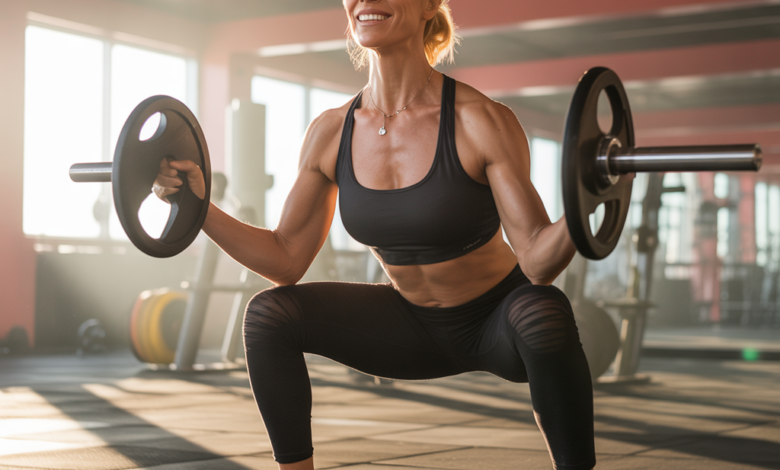
Resistance training helps counteract sarcopenia (age-related muscle loss) and improves bone density. Aim for 2–3 sessions per week:
- Compound moves: squats, lunges, deadlifts—3 sets of 8–12 reps
- Upper-body focus: push-ups, rows, overhead press—2–3 sets of 8–12 reps
- Use bands, dumbbells, or bodyweight; increase load gradually
Cardio and metabolic conditioning
Cardiovascular exercise supports heart health and weight control. Try a mix of steady-state and interval training:
- Brisk walking or cycling 30–45 minutes, 4–5 times per week
- HIIT sessions 1–2 times per week (e.g., 20–25 minutes: 30s hard, 90s easy)
Mobility, balance, and pelvic floor
Yoga, Pilates, and balance drills reduce fall risk and improve posture. Add pelvic floor exercises daily—simple Kegels, or guided routines—to support bladder health, especially important during and after menopause.
Nutrition and lifestyle: fuel for hormone balance
Your diet can ease symptoms and support bone and heart health. Focus on nutrient-dense choices and consistent habits.
Key nutrition priorities
- Protein: 20–30g per meal to preserve muscle mass (lean meats, legumes, dairy, tofu)
- Calcium & Vitamin D: dairy, fortified alternatives, sunlight or supplements as needed for bone health
- Healthy fats: omega-3s (fatty fish, walnuts) to support heart and brain health
- Fiber & phytoestrogens: whole grains, vegetables, flaxseed, and soy in moderation
- Limit alcohol and refined sugar—both can worsen hot flashes and weight gain
Sleep, stress, and recovery
Prioritize sleep hygiene—consistent bedtime, cool bedroom, and limiting screens before bed. Stress reduction practices like mindfulness, breathwork, or short walks can reduce the frequency of hot flashes and improve mood.
Real-world examples: busy people making change
Consider Sarah, a 48-year-old teacher who started 20 minutes of daily resistance work and cut back on nightly wine—within three months she slept better, had more energy, and regained strength. Or Mark (supporting his partner), who learned pelvic floor basics and joined her for weekend walks, improving both their health and relationship.
Why menopause matters: taking action now
Recognizing why menopause matters motivates small, consistent actions that protect bones, preserve muscle, and improve quality of life. Early lifestyle changes—strength training, targeted nutrition, and stress management—lower risks for osteoporosis and heart disease while easing day-to-day symptoms.
How to start: a simple weekly plan
- 3 days strength training (30–45 minutes): full-body routines focusing on major muscle groups
- 2–3 days cardio (30 minutes): brisk walk, cycling, or swimming
- Daily mobility and pelvic floor practice (10–15 minutes)
- Prioritize protein and calcium-rich meals; aim for 7–8 hours of sleep
For guided examples, check out our workout routines and practical nutrition guides. For lifestyle and stress strategies, visit our wellness tips page.
Frequently Asked Questions
1. When should I start preparing for menopause?
Start in perimenopause—often the 40s—or earlier if you have family history or symptoms. Early strength training, bone-friendly nutrition, and cardiovascular care make a meaningful difference.
2. Can exercise reduce hot flashes?
Regular physical activity can reduce the frequency and severity of hot flashes for some people by improving overall fitness, sleep, and stress resilience. Combining cardio, strength, and stress-reduction techniques is most effective.
3. Is hormone replacement therapy necessary?
HRT can be helpful for many, especially for severe symptoms, but it’s not the only option. Discuss risks and benefits with your healthcare provider. Lifestyle changes—exercise, nutrition, sleep—remain foundational whether you choose HRT or not.
Conclusion: Keep moving because why menopause matters
Menopause is more than a biological milestone—it’s a turning point for long-term health. Understanding why menopause matters empowers you to act: start strength training, fine-tune your nutrition, prioritize sleep, and seek support when needed. Small, consistent steps lead to better energy, stronger bones, and improved quality of life.
Ready to take the first step? Try a simple 20-minute strength workout today, review our workout routines, and download a meal checklist from our nutrition guides to get started. Share your progress or questions in the comments—let’s navigate this stage together.