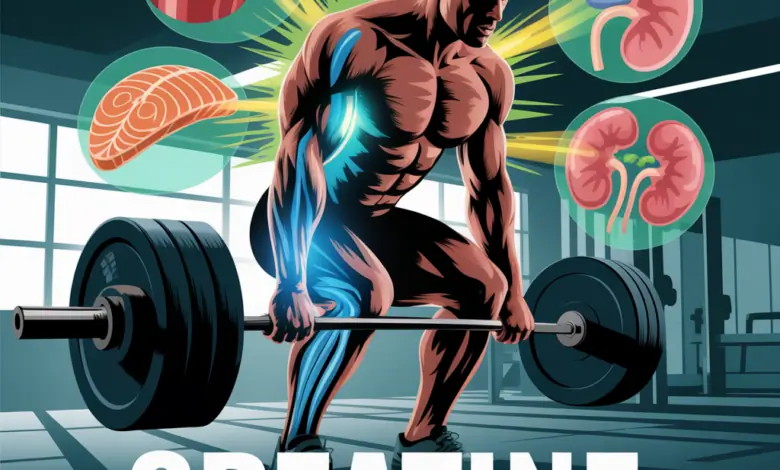
Ever wondered why a tiny scoop of powder can feel like a legal shortcut to lifting heavier, recovering faster, and getting stronger? If you’ve hesitated because “is creatine natural?” crosses your mind—you’re not alone. In this article we’ll unpack the science, everyday examples, and practical tips so you can decide confidently whether creatine fits your plan.
What is creatine and how does it work?
Creatine is a small molecule produced in your body and found in many foods. Inside muscle cells it helps regenerate ATP, the energy currency your muscles use for short bursts of high-intensity activity—think sprinting, jumping, or a heavy set of squats. As a naturally occurring compound, creatine supports power, strength, and recovery by making that energy replenishment faster and more efficient.
Why is creatine considered natural explained
There are three key reasons creatine is widely considered “natural”:
- Your body makes it: The liver, kidneys, and pancreas synthesize creatine from the amino acids glycine, arginine, and methionine.
- It’s in food: Meat and fish contain creatine, so humans historically obtained it through diet.
- Supplements are chemically identical: Creatine monohydrate in supplements is the same molecule your body produces. Modern manufacturing creates a pure product rather than an artificial compound your body doesn’t recognize.
Endogenous production: your body’s creatine factory
Your body typically makes about 1–2 grams of creatine per day. That synthesis varies with diet, muscle mass, and genetics, which is why some people—especially vegetarians—have lower baseline creatine stores and may notice a larger response to supplementation.
Dietary sources of natural creatine
Red meat and certain fish are the richest natural sources. However, typical vegetarian and vegan diets supply little creatine, which is why supplemental creatine can be especially helpful for plant-based athletes who want the same performance benefits.
Why supplementing is still “natural” in effect
While the creatine you buy is produced industrially, it’s the same molecule your cells use. Think of it like purified vitamin C: produced, but identical to what occurs in nature. Because it supplements a natural pathway rather than introducing a foreign hormone or drug, many health professionals classify creatine as a natural performance aid.
Benefits of natural creatine — more than just muscle
- Increased strength and power output for resistance training and sprints
- Faster recovery between intense bouts of exercise
- Potential cognitive benefits in sleep-deprived states or aging populations
- Improved cellular hydration and muscle volume—useful for performance and appearance
How to use creatine safely: practical tips
- Dosing: A common approach is 3–5 g daily. Optional loading is 20 g/day split into 4 doses for 5–7 days, then 3–5 g/day maintenance.
- Timing: Timing isn’t critical—consistency is. Many prefer post-workout with carbs/protein to aid uptake.
- Hydration: Drink water throughout the day—creatine pulls water into muscle cells and extra fluid helps performance and digestion.
- Quality: Choose creatine monohydrate from reputable brands with third-party testing when possible.
- Precautions: If you have kidney disease or other major health issues, consult your healthcare provider before starting.
Workout variations and real-world examples
Creatine supports many training styles. Here are practical workouts that pair well with supplementation:
Strength focus (3–4 days/week)
- Day A: Squat 5×5, Bench Press 5×5, Barbell Row 3×8
- Day B: Deadlift 3×5, Overhead Press 5×5, Pull-ups 3×8
- Creatine role: improved bar speed on heavy sets and faster recovery between sessions.
Hypertrophy focus (4–6 sets per lift)
- Compound lifts 3–4 sets of 6–12 reps, accessory work 3 sets
- Creatine role: greater training volume as you can perform more reps/sets over time.
HIIT / Sprint training
- 6–10 x 20–30s all-out sprints with 2–3 min rest
- Creatine role: improves repeated sprint ability and short-term power output.
Real-world example: Sarah, a weekend lifter, added 5 g/day of creatine while following a structured 3-day strength plan. Within six weeks she hit a new squat PR and felt less sore between sessions. Tom, a vegan recreational soccer player, noticed quicker recovery after matches and better sprint ability after adding creatine to his routine.
Lifestyle advice to maximize creatine results
- Prioritize sleep—muscle repair and adaptation happen during rest.
- Eat enough protein and calories to support muscle growth; creatine enhances but doesn’t replace nutrition.
- Stay consistent—take creatine daily; missing days slows refill of muscle stores.
- Avoid misinformation—creatine is not a steroid and doesn’t inherently cause dangerous “bloating” when used properly.
For meal ideas that pair well with supplementation, check our nutrition guides. If you want workouts that make the most of creatine, see our workout routines, and for everyday recovery and health advice visit wellness tips.
Frequently Asked Questions
Is creatine natural or synthetic?
Creatine itself is a naturally occurring compound found in muscle and certain foods. Most supplements contain creatine monohydrate that is chemically identical to the natural molecule. While industrially produced, it supplements a natural bodily pathway.
Will creatine damage my kidneys?
For healthy individuals, creatine has not been shown to cause kidney damage when taken at recommended doses. If you have pre-existing kidney disease or concerns, consult a healthcare professional before starting.
Can vegetarians and vegans take creatine?
Yes. Vegetarians and vegans often have lower baseline creatine stores because they consume less through diet, so they may see a pronounced benefit from supplementing 3–5 g/day.
Conclusion: Make an informed choice — why is creatine considered natural explained
To wrap up: creatine is considered natural because your body makes it, it exists in common foods, and supplements provide the same molecule your muscles use. If your goal is better strength, power, and recovery, a simple, evidence-backed protocol like 3–5 g daily can be a low-cost, low-risk way to boost results. Try a four-week trial while following a solid training plan, track your lifts, and notice recovery differences. Ready to start? Check a training plan at our workout routines page and pair it with smart nutrition from our nutrition guides.
Have more questions or want a sample 8-week plan that pairs creatine with progressive overload? Leave a comment or subscribe for weekly fitness tips to level up your training.