Have you ever struggled to lift a heavy grocery bag without wincing, winced after bending to tie a shoe, or felt exhausted climbing a single flight of stairs? If so, you’re not alone — and this is exactly why functional fitness matters. It’s not just about looking good; it’s about moving well in real life. In this post I’ll explain why functional fitness should be part of your routine, how it translates to daily life, and practical ways you can start today.
What Is Functional Fitness?
Functional fitness, also called functional training or movement-based training, focuses on exercises that improve strength, balance, mobility, and coordination for everyday activities. Instead of isolating muscles with machines, functional workouts emphasize multi-joint movements that mimic real-world tasks like pushing, pulling, lifting, carrying, and twisting.
Why Functional Fitness Matters: Key Reasons
Functional fitness matters because it helps you be more independent, reduces injury risk, and improves quality of life. Here are the main benefits:
- Better daily performance: Tasks like carrying groceries, getting up from the floor, and lifting children become easier.
- Reduced pain and injury: Improved mobility and balanced strength decrease the strain on joints and lower back.
- More efficient movement patterns: Training movement patterns (squat, hinge, push, pull, carry) builds coordination and stability.
- Transferable fitness: Functional training helps athletes and non-athletes alike by improving sports performance and everyday function.
- Longevity and independence: For older adults, functional fitness supports balance, falls prevention, and the ability to live independently.
Real-World Examples
Imagine being able to:
- Carry two heavy suitcases through an airport without stopping.
- Play actively with your kids or grandkids without breathlessness or back pain.
- Move furniture during a house move without straining yourself.
Core Movement Patterns to Train
Focus your sessions around these fundamental movement patterns — they form the backbone of most functional workout plans:
- Squat (sit-to-stand)
- Hinge (deadlift pattern)
- Push (push-ups, presses)
- Pull (rows, pull-ups)
- Carry (farmer’s walk, suitcase carry)
- Rotation and anti-rotation (twists, Pallof press)
Sample Exercises and Variations
- Squat: Bodyweight squat → Goblet squat → Barbell back squat
- Hinge: Hip hinge drills → Romanian deadlift → Kettlebell swing
- Push: Incline push-up → Standard push-up → Dumbbell bench press
- Pull: Band rows → Dumbbell rows → Pull-ups
- Carry: Farmer’s carry with dumbbells → Suitcase carry → Single-arm farmer’s walk for anti-rotation
- Balance & Core: Single-leg RDL → Plank variations → Turkish get-up
How to Build a Functional Workout (Beginner to Advanced)
Functional workouts can be short, effective, and adaptable to any fitness level. Here are three templates:
Beginner (15–20 minutes)
- Warm-up: 5 minutes dynamic mobility (leg swings, hip circles)
- 3 rounds: 10 bodyweight squats, 8-10 bent-over rows with a light weight, 30-second plank
- Finisher: 2 x 30-second farmer’s carry (light dumbbells)
Intermediate (30–40 minutes)
- Warm-up: 8 minutes mobility + activation
- 4 rounds: 12 goblet squats, 10 kettlebell swings, 8 single-arm rows each side, 45-second carry
- Core: 3 x 45-sec side plank
Advanced (45–60 minutes)
- Warm-up: dynamic mobility + movement prep
- 5 rounds: 8 barbell deadlifts, 8 pull-ups, 10 overhead presses, 60-second heavy farmer’s carry
- Conditioning: 10-minute EMOM (every minute on the minute) of a mixed skill: burpees, kettlebell swings, sprints
Healthy Lifestyle Tips to Support Functional Fitness
Exercise is only one piece of the puzzle. Support your training with these habits:
- Prioritize sleep: Aim for 7–9 hours to support recovery and strength gains.
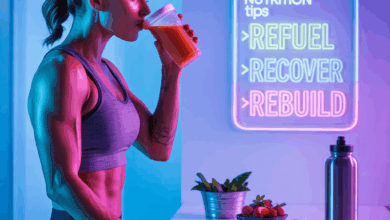
- Eat a balanced diet: Lean proteins, healthy fats, and whole carbohydrates help muscle repair and energy levels. Check our nutrition guides for meal ideas and timing tips.
- Stay mobile: Short daily mobility sessions improve joint health and prevent stiffness.
- Work on posture and ergonomics: Small adjustments at your desk reduce chronic pain and reinforce better movement patterns.
- Keep active outside the gym: Walking, gardening, and active hobbies translate gym strength into real-world ability — visit our wellness tips page for lifestyle strategies.
Practical Tips for Everyday Functional Strength
- Practice loaded carries by taking a heavy bag and walking for short distances when running errands.
- Use single-leg exercises to build balance and prevent falls.
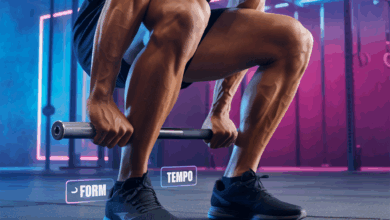
- Prioritize form over load — proper hip hinge technique prevents back injuries.
- Schedule two to four functional sessions per week depending on your goals and recovery.
- Mix mobility and strength work in the same session for better long-term outcomes.
How Functional Fitness Impacts Different Populations
From busy professionals to seniors, functional training adapts to needs:
- Busy adults: Short, efficient sessions deliver maximum returns for time-pressed schedules.
- Athletes: Improves sport-specific movement quality and resilience.
- Seniors: Enhances balance, reduces fall risk, and maintains independence.
- New moms: Rebuild core function and regain strength for daily caregiving tasks.
Frequently Asked Questions
1. What does functional fitness include?
Functional fitness includes multi-joint exercises that mimic daily activities — squats, hinges, pushes, pulls, and carries — combined with mobility and balance work. The goal is practical strength and movement efficiency, not just muscle isolation.
2. Can functional training help with weight loss?
Yes. Functional workouts often combine strength and conditioning, raising metabolic rate and burning calories. Paired with a healthy diet from our nutrition guides, functional training supports fat loss and lean muscle maintenance.
3. How often should I do functional workouts?
Aim for 2–4 sessions per week depending on your fitness level, goals, and recovery. Balance intensity with mobility work and active recovery to avoid overtraining. If you’re new, start with two full-body sessions and increase gradually.
Conclusion: Start Moving With Purpose
Understanding why functional fitness matters can transform your approach to training. It’s not about chasing vanity goals — it’s about building strength, stability, and mobility that make everyday life easier and more enjoyable. Start small: choose two movement patterns to improve this week, add a daily 5-minute mobility routine, and try a simple carry exercise during errands. If you want ready-to-follow plans, check our workout routines for beginner to advanced options.
Ready to move better and feel stronger? Commit to a week of purposeful movement and notice the difference. Share your progress, try a new functional exercise, or subscribe for more tips — your future self will thank you.