Have you ever finished a long day and thought, “I know I should move more—but where do I even start?” Or maybe you’ve tried a gym streak that fizzled after two weeks. The question “why exercise is important” isn’t just about ticking a box; it’s about creating a life that feels better, day-to-day. In this post I’ll show you the science-backed benefits, simple workout variations you can actually stick to, and easy lifestyle swaps that make exercise a natural part of your routine.
Why exercise is important: the top benefits that actually matter
Exercise is a powerful tool that impacts more than appearance. Regular physical activity boosts cardiovascular health, strengthens muscles and bones, sharpens your mind, improves mood, and increases daily energy. These are benefits you feel immediately and that compound over time into long-term health and resilience.
Cardiovascular health and endurance
Activities that raise your heart rate—walking briskly, cycling, swimming, or jogging—improve heart and lung function. Consistent aerobic exercise lowers blood pressure, improves cholesterol profiles, and reduces the risk of heart disease. Even 30 minutes a day of moderate activity makes a measurable difference.
Strength, balance, and mobility
Strength training (bodyweight, resistance bands, or weights) preserves muscle mass, supports joints, and reduces fall risk as you age. Adding mobility and flexibility work—like dynamic stretches or yoga—keeps you functional in everyday life, helping with tasks from carrying groceries to climbing stairs.
Mental health, stress relief, and cognitive benefits
Exercise releases endorphins and supports brain health by increasing blood flow and neurotrophic factors. Regular movement reduces anxiety and depression symptoms, improves focus, and can even enhance memory. Think of exercise as a daily tune-up for your brain as much as your body.
Weight management and metabolic health
Combining regular exercise with sensible nutrition helps with weight control, improves insulin sensitivity, and supports metabolic health. Strength training is especially important because more muscle helps you burn more calories at rest.
Practical fitness tips and workout variations you can start today
Turning knowledge into action is the hard part. Below are realistic strategies and quick workout variations to make exercise feel doable and enjoyable.
Quick daily strategies
- Start with a 10–20 minute routine: consistency beats intensity. A short HIIT session or brisk 20-minute walk is a big win.
- Use habit stacking: exercise right after a morning coffee or after work before checking your phone.
- Schedule workouts like appointments so they’re non-negotiable.
Workout variations for every lifestyle
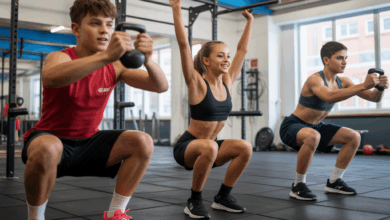
- Beginner: 3× weekly full-body bodyweight circuit (squats, push-ups on knees, glute bridges, plank) — 2 rounds, 30–45 seconds per exercise.
- Time-crunched: 15–20 minute HIIT (20s work / 40s rest) — burpees, mountain climbers, jump squats, alternating lunges.
- Strength-focused: 3 sessions per week—compound lifts (squat, deadlift, press) or their bodyweight equivalents; progressive overload is key.
- Low-impact: cycling, swimming, elliptical, or brisk walking to protect joints while improving cardio fitness.
At-home equipment and progressions
Resistance bands, adjustable dumbbells, and a yoga mat offer a versatile home gym. If you’re new, start with bands and bodyweight. Progress by increasing reps, sets, or resistance and mixing in tempo (slower lowering phases) to challenge muscles without needing heavier weights.
Healthy lifestyle advice and real-world examples
Exercise is one part of a bigger picture. Combine movement with smart nutrition, quality sleep, and stress management for the greatest payoff.
Nutrition and recovery
Fuel workouts with balanced meals: lean protein, whole grains, healthy fats, and plenty of vegetables. Prioritize post-workout protein to support muscle repair and aim for 7–9 hours of sleep to help recovery and hormone balance. For daily meal tips, check our nutrition guides.
Real-world examples that stick
- Busy parent: 20-minute morning HIIT while kids are prepping for school—3 times per week plus family walks on weekends.
- Office worker: 10-minute mid-day walk and two 5-minute mobility breaks; strength training after work twice a week.
- Older adult: twice-weekly supervised strength sessions for bone health and daily balance practice to maintain independence.
Building lasting habits
Start small, track progress, and choose activities you genuinely enjoy. If you like social settings, join a class. If you prefer solitude, a running or cycling routine might be better. For workout inspiration, visit our workout routines page.
Frequently Asked Questions
1. How much exercise do I really need each week?
For general health, aim for at least 150 minutes of moderate aerobic activity or 75 minutes of vigorous activity per week, plus two strength sessions. If your schedule is tight, breaking workouts into 10–20 minute sessions still counts.
2. Can I lose weight with exercise alone?
Exercise helps with weight loss, but nutrition plays a bigger role in creating a calorie deficit. Combining regular activity with mindful eating delivers the best and most sustainable results.
3. What if I’m out of shape or have a chronic condition?
Start gently and consult your healthcare provider if you have chronic health issues. Low-impact activities like walking, swimming, or guided resistance training are often safe and highly beneficial. Modify intensity and progress slowly.
Conclusion: Make movement a non-negotiable part of your life
Understanding why exercise is important is the first step; choosing a realistic plan is the next. Regular movement improves your heart, muscles, mind, and overall quality of life. Start with small, consistent actions—a 10-minute bodyweight circuit, a daily walk, or two weekly strength sessions—and build from there. For more ideas on daily habits and stress management that complement exercise, check our wellness tips page.
Ready to take the next step? Commit to one week of consistent movement and pick a simple routine from our workout routines page. Share your progress, and if you want, come back for more variations and tips to keep things fresh. Your future self will thank you.
For more workout tips and variations, check out Workout Tips for Flat Stomach.
For more workout tips specifically aimed at gaining weight, check out our article Workout Tips to Gain Weight.
For more practical fitness tips and workout variations you can start today, check out First Day of Workout Tips.