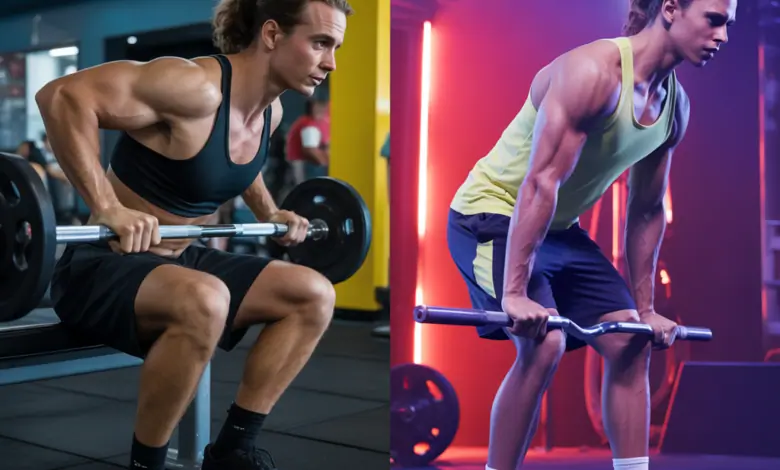
Have you ever finished a set of bicep curls only to feel a nagging ache in your neck? You’re not alone — that tightness or sharp twinge at the base of your skull is frustrating, distracting, and can derail progress. If you’ve asked yourself, “why do bicep curls hurt my neck,” this article breaks down the reasons, gives practical fixes, and offers safer workout variations so you can curl smarter and pain-free.
Why do bicep curls hurt my neck? Common causes
There are several reasons your neck might protest during or after bicep work. Understanding the root helps you fix the problem, not just mask the pain.
- Poor form and shoulder shrugging: Many lifters unconsciously lift their shoulders or elevate the traps when curling heavy weight, which pulls the neck muscles into the movement.
- Using momentum or swinging: Swinging the torso transfers load away from the biceps and onto the upper traps and neck.
- Forward head posture: Daily tech neck or weak postural muscles can make your neck more sensitive to overhead or arm-loading movements.
- Excessive weight or improper bracing: If your core and scapular stabilizers aren’t engaged, the neck compensates for the lack of upper-body stability.
- Pre-existing neck issues: Cervical disc problems, nerve irritation, or chronic tightness can be aggravated by lifting, especially with poor technique.
How to tell the difference: normal soreness vs. something more serious
Soreness that’s dull and localized to the traps or posterior neck after correcting form is usually benign and resolves in a few days. Seek professional attention if you experience:
- Sharp, radiating pain down the arm or numbness/tingling (possible nerve involvement)
- Severe pain that doesn’t improve with rest or is accompanied by weakness
- Pain after a fall or sudden trauma
Simple form fixes to stop neck pain during curls
These coaching cues are easy to apply and often eliminate neck strain instantly.
- Neutral head position: Keep your chin tucked slightly and your gaze forward — don’t crane or look up while curling.
- Retract and depress the scapulae: Pull your shoulder blades down and back before every set to take the load off your traps.
- Brace your core: Tighten your midsection to stop torso swinging and eliminate momentum.
- Use controlled tempo: 2 seconds up, 2–3 seconds down. Slow eccentrics reduce cheating and limit neck recruitment.
- Reduce the weight: Cut load until you can perform strict reps without shrugging or neck strain.
Practical cue sequence to try right now
- Stand tall, feet hip-width. Neutral spine, chin slightly tucked.
- Pull shoulders down/back (think “pack the shoulders”).
- Engage core and inhale; begin the curl with the elbows stationary at your sides.
- Exhale at the top, avoid jutting the chin forward; control the lowering.
Workout variations that protect the neck
Switching exercises can keep building biceps without stressing the cervical area.
- Seated dumbbell curls with back support: A bench with a backrest reduces torso momentum and upper-trap involvement.
- Preacher curls: Keeps the upper arm anchored and prevents shoulder shrugging.
- Concentration curls: Single-arm focus reduces compensation and encourages strict range of motion.
- Hammer curls: Neutral grip often feels more comfortable for wrists and shoulders and can reduce neck activation.
- Cable curls with chest pad: Provides constant tension while stabilizing the torso and neck.
Mobility, breathing, and recovery tips to prevent neck strain
Ahead of lifting and as part of your daily routine, these habits reduce the likelihood of neck pain.
- Warm up the neck and thoracic spine: Gentle chin tucks, neck rotations, and thoracic extensions prime mobility.
- Foam roll upper traps and lats: Release tightness so those muscles don’t overcompensate.
- Practice diaphragmatic breathing: Proper breathing improves core bracing and reduces neck tension.
- Sleep ergonomics: Use a supportive pillow that keeps your cervical spine neutral.
- Regular posture checks: If you sit a lot, set timers to reset your posture and do brief neck/shoulder stretches.
Real-world examples: fixes that worked
Sarah, a 32-year-old office worker, had chronic neck tightness after arm day. She switched to seated dumbbell curls with a backrest, reduced weight, and added chin tucks during warm-ups. Within two weeks her neck pain disappeared and her bicep strength improved.
Mark, a weekend athlete, was swinging heavy EZ-bar curls. After a trainer filmed his set, he saw his shoulders rising with each rep. He adopted slower tempo curls and concentrated on scapular depression — the neck pain resolved and his biceps grew without the discomfort.
When to see a professional
If conservative changes (form, lighter weights, mobility work) don’t help in 2–4 weeks, or if you have numbness, tingling, or weakness, consult a physical therapist or physician. A health professional can assess for nerve impingement, cervical issues, or muscular imbalances and provide a tailored treatment and exercise plan.
Healthy lifestyle tips to support pain-free lifting
- Maintain balanced strength: strengthen upper back and rotator cuff muscles to reduce neck compensation.
- Stay hydrated and prioritize sleep — recovery fuels muscle repair and reduces tightness.
- Include anti-inflammatory foods and follow general nutrition guidelines to support tissue health; see our nutrition guides for helpful meal ideas.
- Follow structured progressions and use periodization in your programming (check our workout routines for sample plans).
Frequently Asked Questions
1. Can poor posture cause neck pain during bicep curls?
Yes. Forward head posture and rounded shoulders can increase upper-trap activation and make the neck more likely to strain during arm exercises. Improving posture and thoracic mobility often reduces the problem.
2. Should I stop curls if my neck hurts?
Stop or modify the exercise immediately if you feel sharp or radiating pain. If it’s mild and related to form, reduce weight, change variation, and apply the form cues above. Persistent or severe pain warrants professional evaluation.
3. What exercises help strengthen the neck and upper back to prevent pain?
Chin tucks, scapular retractions, face pulls, band pull-aparts, and thoracic extension exercises build the postural and scapular control needed to keep the neck out of arm work.
Conclusion — Take action and keep curling without pain
If you’ve been asking, “why do bicep curls hurt my neck,” start by correcting form, lowering the weight, and choosing supportive variations like seated curls or preacher curls. Add mobility work, posture checks, and targeted upper-back strengthening to reduce compensation. If pain persists or involves numbness or weakness, see a professional. Apply these tips during your next workout and you’ll likely feel the difference within a week.
Want more help building a pain-free arm routine? Explore our workout routines and wellness tips pages for detailed plans, or leave a comment describing your experience — I’ll help you troubleshoot form and find the right modifications.