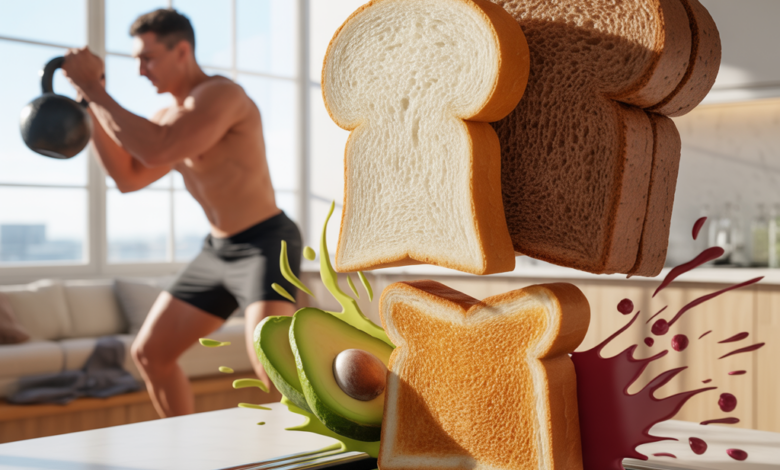
Ever stood in front of the bread aisle, sandwich in hand, wondering whether to grab the fluffy white loaf or the hearty whole wheat? Maybe you’re prepping breakfast before a morning run, packing lunches for work, or trying to lose stubborn body fat — and that simple loaf feels like a major decision. In this post we’ll break down the white vs whole wheat bread debate so you can make smart, practical choices that fit your workouts and lifestyle.
Quick overview: Why the bread you pick matters
Bread is a staple for millions, and it’s often a primary source of carbohydrates in the diet. The type of bread you choose affects how quickly blood sugar spikes, how full you feel, and how well you recover from exercise. Understanding the difference between refined white bread and whole wheat (or whole grain) bread helps you optimize energy, manage appetite, and support performance.
White vs Whole Wheat Bread: Nutritional face-off
Calories and macronutrients
Both white and whole wheat bread tend to be similar in calories per slice (~70–120 calories depending on thickness). Protein is modest in both (3–6g per slice), so pairing bread with protein is key for muscle repair. The macro difference mainly comes in fiber and carbs: whole wheat typically has more fiber and slightly slower-digesting carbs.
Fiber and satiety
Whole wheat (or whole grain) bread contains the bran and germ of the grain, so it delivers more fiber — often 2–4g per slice vs 0–1g in white bread. That extra fiber helps you feel fuller longer, stabilizes blood sugar, and supports digestive health. For weight control and steady energy during workouts, whole wheat usually wins.
Glycemic index and energy
White bread is made from refined flour with the bran and germ removed, which raises its glycemic index (GI). That means a faster spike and quicker drop in blood sugar, potentially leaving you hungry sooner. Whole grain bread has a lower GI and provides more sustained energy — especially useful for endurance sessions or long workdays.
Micronutrients and processing
Whole grain breads retain more vitamins (like B vitamins), minerals (iron, magnesium), and healthy phytochemicals. Some white breads are enriched to add back certain nutrients, but they still lack the full spectrum and the fiber present in whole wheat loaves.
Practical fitness tips: How to use bread smartly in your routine
- Pre-workout fueling: 30–90 minutes before exercise, choose a slice of whole wheat toast with a banana and a smear of nut butter for steady carbs and a bit of protein.
- Post-workout recovery: Pair bread with 15–30g of protein (tuna, chicken, cottage cheese) to replenish glycogen and kickstart muscle repair. A turkey sandwich on whole grain bread is a quick option.
- Weight-loss tip: Use whole wheat to boost fiber and satiety. If you crave white bread, enjoy in controlled portions and pair it with protein and healthy fats to blunt blood sugar spikes.
- Digestive considerations: If you have IBS or sensitivity, certain whole grains may irritate; experiment with sprouted or sourdough whole-grain options that are often easier to digest.
Workout-friendly sandwich ideas and meal examples
Here are real-world combos that fit different goals:
- Morning runner: Whole wheat toast + almond butter + sliced banana = slow-release carbs + potassium.
- Strength session: Egg and spinach on whole grain bread = protein + iron + complex carbs.
- Quick recovery: White bread may work right after very intense endurance bouts when you need ultra-fast carbs — pair with a protein shake.
- Office lunch: Grilled chicken, avocado, tomato on whole wheat = balanced macro profile to get you through afternoon meetings.
When white bread makes sense
Don’t demonize white bread — it has its uses. For athletes doing long, intense training, white bread provides easily digestible carbs that restore glycogen quickly. For people with dental or digestive issues, softer white bread can be more tolerable. The key is context: timing, portion size, and what you pair it with matter more than the label alone.
Choosing the right whole-grain options
Not all “wheat” breads are equal. Look for labels that say “100% whole wheat” or “100% whole grain.” Avoid products that say “wheat bread” but are made mostly from refined flour with added coloring. Sourdough, sprouted-grain, and multigrain loaves can offer improved digestion and nutrient density.
Meal timing and portion control — real-world strategies
Use the plate method: half vegetables, a quarter lean protein, a quarter whole grains. If you’re doing a short morning HIIT, one slice of whole-grain toast may be enough. For long hikes or bike rides, plan for two slices plus fruit and protein. Track how your body responds: energy levels, hunger, workout performance — tweak portions accordingly.
Combining bread with your fitness plan
Include bread strategically in your training week. For strength-focused days, prioritize protein and modest carbs; for endurance days, increase carb portions. For ready-to-use training ideas, check out our workout routines. For deeper eating strategies, explore our nutrition guides and wellness tips.
Frequently Asked Questions
Is whole wheat bread always healthier than white bread?
Generally, yes — whole wheat provides more fiber, vitamins, and slower-burning carbs. However, individual needs (digestive issues, specific athletic demands) may make white bread a better occasional choice. Evaluate overall diet quality rather than obsessing over one food.
Can eating white bread cause weight gain?
No single food causes weight gain; total calories and food quality matter. White bread can be part of a healthy diet if portion-controlled and paired with protein and vegetables. Frequent consumption of high-GI, low-fiber foods can make appetite management harder for some people, which may contribute to weight gain over time.
Which bread is best for athletes?
It depends on timing. Whole grain bread is excellent for sustained energy and recovery meals. White bread can be useful immediately after long endurance sessions when the body benefits from faster-digesting carbs. Prioritize nutrient timing and pair bread with protein to optimize performance and recovery.
Conclusion: Making the white vs whole wheat bread choice work for you
When it comes to white vs whole wheat bread, whole wheat—or better yet, 100% whole grain—will usually be the smarter everyday choice for satiety, blood sugar control, and nutrient density. That said, white bread has strategic uses around intense workouts or when gentler digestion is needed. The practical takeaway: focus on portion control, pair bread with protein and healthy fats, and match your choice to your activity and goals.
Ready to experiment? Swap one white sandwich for a whole wheat option this week and track your energy during workouts. Want tailored meal plans or training ideas? Explore our nutrition guides and workout routines, then share your results — let’s optimize your fuel together.