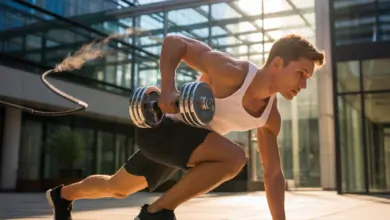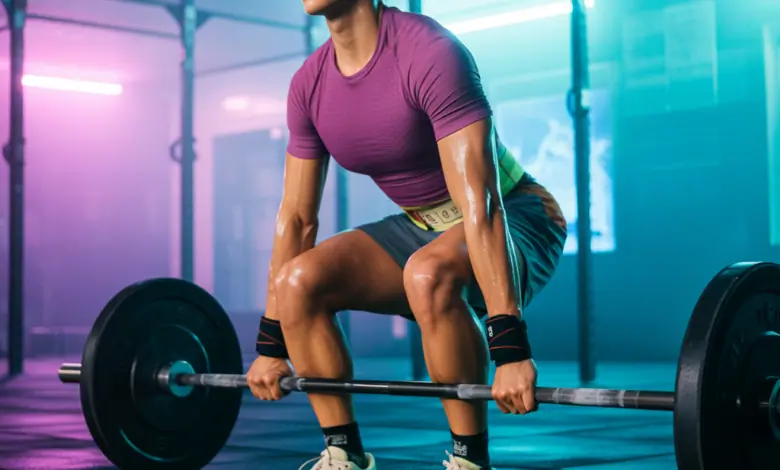
Ever stood in front of your closet five minutes before a CrossFit class and wondered whether those running shorts will survive thrusters? Or if your old gym tee will ride up during toes-to-bar? Deciding what to wear to CrossFit isn’t just about style — it’s about performance, comfort, and staying safe through high-intensity movements.
Why clothing choices matter in CrossFit
CrossFit mixes cardio, Olympic lifting, gymnastics, and bodyweight movements. The wrong clothes can chafe, restrict movement, hide sweat until it becomes uncomfortable, or even increase injury risk. The right CrossFit apparel and training gear lets you move confidently, scale workouts, and focus on progress.
Quick checklist: Essentials to bring to class
- Moisture-wicking top and bottom (avoid cotton)
- Proper CrossFit or weightlifting shoes
- Supportive sports bra (for women)
- Grip tools—chalk or grips if needed
- Water bottle and towel
- Light layers for warm-up/cool-down
What to wear to CrossFit: outfit examples and tips
Below are practical outfit combinations for common CrossFit scenarios, from beginners to advanced athletes.
Beginner / class-style WOD
- Top: Lightweight, breathable T-shirt or tank made from polyester or nylon blends
- Bottoms: Mid-length training shorts or fitted leggings for mobility
- Shoes: Cross-training shoes with a stable base for mixed movements
- Tip: Choose clothing with some stretch so you can squat and jump without restrictions.
Strength or Olympic lifting session
- Top: Fitted tee or compression top to avoid fabric interference during cleans/snatches
- Bottoms: Compression shorts or shorter tights for an unobstructed hip drop
- Shoes: Flat-soled weightlifting shoes or minimalist trainers that let you feel the floor
- Tip: Avoid overly long sleeves or baggy clothing that can catch on bars.
Gymnastics-focused WODs (pull-ups, toes-to-bar, handstands)
- Top: Tight-fitting tank or sports bra to prevent riding up
- Bottoms: Fitted shorts or leggings to reduce skin friction
- Accessories: Consider tape or grips for skin protection
Clothing breakdown: fabrics, fit, and function
Fabrics to choose (and avoid)
Choose moisture-wicking, quick-dry fabrics like polyester, nylon, and blends with elastane for stretch. These materials reduce chafing and speed evaporation of sweat. Avoid cotton for high-intensity workouts because it soaks up sweat and becomes heavy.
Fit and layering
Fit matters more than brand. Look for garments that allow full range of motion—squat, lunge, swing—without pulling or bunching. Layer lightly for outdoor WODs: a breathable long-sleeve for warm-up that you can shed before the intense set.
Footwear: the cornerstone of CrossFit gear
Cross-training shoes are generally the best all-around option for CrossFit; they offer a balance of cushioning for box jumps and stability for lifts. If your sessions are lift-heavy, consider flat-soled or heeled lifting shoes for improved power transfer. For long metcons with running, a more cushioned trainer might be preferable.
How to pick CrossFit shoes
- Look for a firm midsole and minimal drop for stability during lifts.
- Good traction for rope climbs and box jumps is essential.
- Try shoes on with the socks you’ll wear during training to ensure proper fit.
Accessories and extras that make a difference
- Chalk or liquid grip to improve hold on the bar and reduce blistering.
- Wrist wraps for heavy presses and cleans.
- Weightlifting belt for high-intensity heavy sets (use judiciously).
- Compression sleeves or knee sleeves for joint support during squats or lunges.
Practical tips and workout variations
Adapt your clothing choices to the workout:
- Short, intense AMRAPs: prioritize breathability and minimal layers.
- Long metcons with running: choose shoes with better cushioning and consider anti-chafe balm for inner thighs.
- Heavy strength days: tight-fitting tops and predictable footwear for safer lifts.
Example variation: if a WOD contains both heavy deadlifts and running, bring a pair of cushioned trainers and switch to flatter shoes for the lifting portion if possible.
Healthy lifestyle advice that complements your gear
Good equipment is only part of performance. Prioritize sleep, hydration, and balanced nutrition to recover between sessions. Simple pre-WOD fuel (banana or oatmeal) and post-WOD protein help muscle repair. Rotate heavier and lighter training days, and listen to your body—clothing won’t hide poor recovery or technique issues.
For sample pre/post workout eating plans and how to time meals around training, check out our nutrition guides. To match your outfit choices to specific goals, explore our suggested workout routines.
Real-world examples: what athletes actually wear
Sarah, a CrossFit newbie, started with fitted leggings and a lightweight tank—no-slip combo during kettlebell swings. She added wrist tape for pull-ups and swapped to flatter shoes for a heavy deadlift cycle. Mark, a competitive athlete, rotates between lifting shoes for strength days and low-drop trainers for metcons, always keeping a thin layer for warm-ups.
Frequently Asked Questions
1. Can I wear running shoes to CrossFit?
Yes, but choose them carefully. Running shoes with high cushioning can be great for longer runs in metcons but may feel unstable for heavy Olympic lifts. Many athletes prefer a versatile cross-trainer for mixed workouts and a separate pair for heavy lifting.
2. Are compression garments useful for CrossFit?
Compression shorts, tights, and tops can support muscles, reduce friction, and help with blood flow during recovery. They’re especially helpful for gymnastics movements and long WODs. Comfort and fit are the deciding factors.
3. Should I change clothes mid-class for certain movements?
It’s uncommon to change mid-class unless you have a specific need (e.g., switching shoes for lifts). Instead, prepare by bringing a small bag with alternatives—extra socks, grips, or a different pair of shoes—so you can adapt between segments if your gym format allows.
Conclusion: Dress to perform — and keep improving
Choosing what to wear to CrossFit can boost confidence, reduce distractions, and improve performance. Focus on moisture-wicking fabrics, proper footwear, and a fit that allows full movement. Test outfit combinations during warm-ups or lighter sessions and adjust as your training evolves.
Ready to optimize your training wardrobe and routine? Try one small change this week—swap cotton for a moisture-wicking top or test a different shoe during your next WOD. For more guidance on tailoring outfits to your goals, explore our wellness tips and see which combinations pair best with specific training plans.
Call to action: Want personalized gear recommendations? Drop your typical WOD in the comments or sign up for our newsletter to get weekly tips on apparel, nutrition, and programming designed to help you crush your next workout.