Ever stood on the pool deck wondering if your swimsuit says “ready for my first lesson” or “I’ll sink the class”—and wished someone would just tell you what to wear? Whether you’re a nervous adult learner, a parent packing for a child’s first week, or someone returning to the water after a break, the right swimwear and accessories can boost confidence and performance. This guide covers exactly what to wear for swimming lessons so you feel comfortable, move freely, and get the most from every session.
Why choosing the right swimwear matters
Good swim attire does more than look tidy. Proper fit, fabric, and accessories reduce drag, prevent wardrobe malfunctions, and help you focus on skill-building. For beginners especially, comfort and confidence are linked: when you don’t worry about your suit, you learn faster. For regular swimmers, chlorine-resistant gear extends the life of your swimwear and protects skin and hair.
What to wear for swimming lessons: basic checklist
Here’s a quick packing list you can copy into your bag before class:
- Appropriate swimsuit (one-piece for many adults; fitted trunks or brief-style for men)
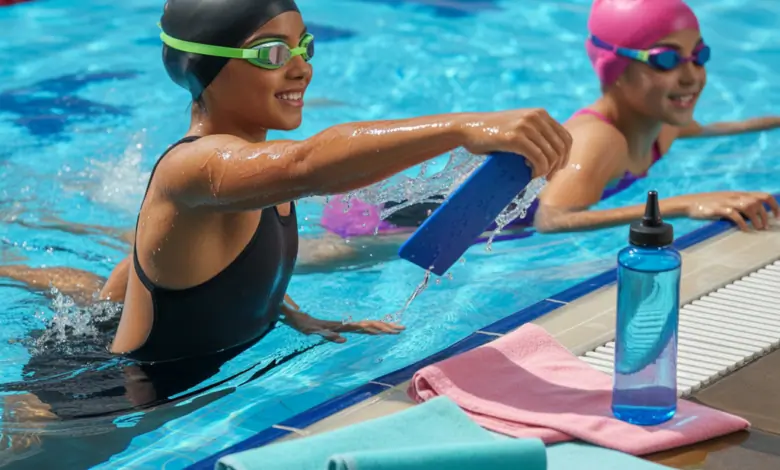
- Goggles with anti-fog lenses and a comfortable seal
- Swim cap (silicone for durability; latex if preferred)
- Rash guard or swim tee for extra sun or chlorine protection
- Towel and flip-flops or water shoes
- Quick-dry bag for wet gear
- Hair ties, shampoo, and moisturizer for post-swim care
Swimsuit types and who they’re best for
- One-piece swimsuits: Ideal for most swim lessons—secure, low-drag, and appropriate for all ages.
- Tankinis: Good for modesty or breastfeeding moms, but choose a fitted style to avoid riding up.
- Swim briefs/jammers: Preferred by performance swimmers and men who want minimal drag.
- Rash guards and swim shirts: Perfect for sun protection, sensitive skin, or added warmth in cool pools.
- Board shorts: Comfortable for leisure, but avoid loose or long styles during lessons as they add drag.
Accessories that make lessons easier
Small items can have a big impact on your comfort and progress.
- Goggles: Fit matters—test the seal without straps first. Look for adjustable nose bridges for best fit.
- Swim cap: Keeps hair out of your face and reduces drag. Silicone caps are comfortable and durable.
- Earplugs and nose clips: Useful for learners who dislike water in ears or sinuses.
- Kickboard and fins (optional): Often provided by pools, but bringing your own can make practice at home or lane swim easier.
- Waterproof watch or fitness tracker: Helpful for timing drills and tracking interval workouts.
Swim lessons attire for kids vs adults
Kids and adults have different needs—here’s how to pack appropriately:
For kids
- Choose bright, snug suits to make instructors’ jobs easier.
- Consider two suits in rotation—chlorine degrades fabric quickly.
- Pack a labeled bag with spare underwear and swim diapers if necessary.
For adults
- Opt for a supportive, well-fitted one-piece or jammers for focused practice.
- If self-conscious, a swim tee or high-waisted bottoms can increase confidence.
- Bring a robe or cover-up for quick warmth between drills.
Practical fitness tips and workout variations for swim lessons
Swimming lessons are a great place to work on both skills and conditioning. Try these simple workout variations to get more from your time in the pool.
- Technique-focused drills: 4 x 25m drill sets (e.g., catch-up drill, single-arm drill) with 30–45 seconds rest to build stroke mechanics.
- Interval training: 8 x 50m with 20–30 seconds rest—vary pace to build endurance and speed.
- Kick sets: 6 x 50m with a kickboard—good for building leg strength and ankle flexibility.
- Resistance training: Use fins or pull buoys to isolate legs or arms respectively and enhance power.
- Active recovery: Swim easy 200m between hard sets to aid technique work and breathing control.
Real-world example: A busy professional might do a 30-minute interval set twice a week to improve cardiovascular fitness, while a beginner could start with 20–30 minutes focused on floats and breathing once the coach recommends progression.
Health, safety, and post-swim care
Swimming is low-impact but still requires planning for health and longevity.
- Hydrate before and after your session—pool time still depletes fluids.
- Rinse off immediately after class to remove chlorine; use a gentle shampoo and a moisturizing lotion to protect skin and hair.
- Stretch shoulders, chest, and hips post-swim to prevent stiffness; include light mobility exercises on dry land.
- Rotate suits and rinse them after each use to extend fabric life; consider chlorine-resistant materials for frequent swimmers.
Common wardrobe mistakes and how to avoid them
- Avoid loose swim shorts for lessons: they create drag and can become cumbersome during drills.
- Don’t rely on a single cheap pair—chose quality pieces with good elastic and reinforced seams.
- Skip heavy jewelry—rings and watches can get damaged and cause skin irritation.
Frequently Asked Questions
1. What should I wear to swim class for adults if I’m a beginner?
Start with a snug one-piece or jammers, comfortable goggles, and a swim cap. Add a rash guard if you want extra coverage. Choose chlorine-resistant fabric if you’ll be in the pool regularly.
2. Can kids wear floaties or swim vests during lessons?
Many lessons use structured floats or vests temporarily, but instructors often prefer building independent flotation skills. Check with the swim school—approved flotation devices are sometimes used for very young or nervous children.
3. How do I choose goggles that don’t fog or leak?
Look for anti-fog coatings, a soft silicone seal, and adjustable straps. Try goggles on before class—press them to your eye socket without straps; a gentle suction means a good seal. Replace them when scratches or leaks start.
Conclusion: Get dressed for success in the pool
Knowing what to wear for swimming lessons removes a small but meaningful barrier to progress. Choose a well-fitting swimsuit, reliable goggles, and a swim cap, and you’ll feel ready to focus on technique and fitness. Experiment with workout variations like intervals and drill sets to accelerate improvement, and follow simple post-swim care to protect your skin and gear. Ready to upgrade your swim routine? Pack your bag with these essentials and take the plunge at your next lesson.
Want more tips to build a balanced fitness plan? Check out our pages on workout routines, nutrition guides, and wellness tips for ideas to complement your swimming.
Call to action: Grab a checklist, pick one new piece of swim gear to try this week, and commit to your next lesson—your confidence in the water will follow.