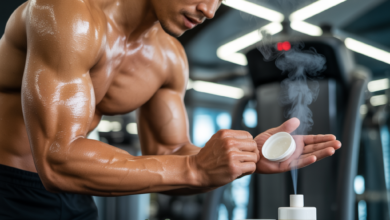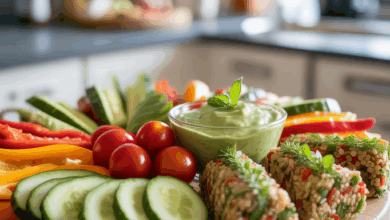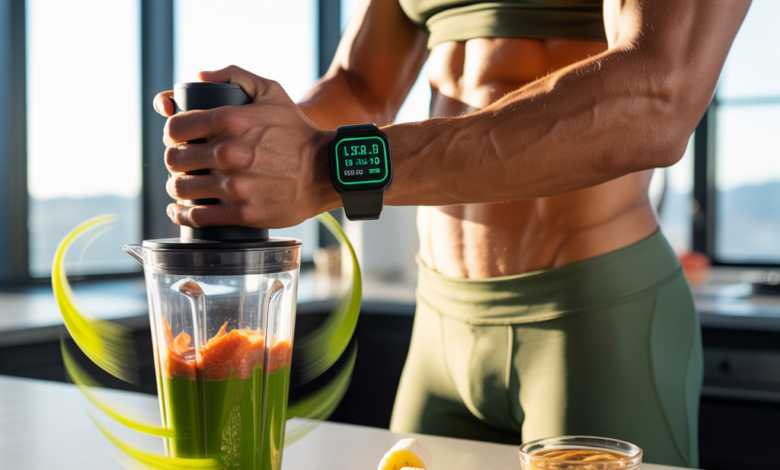
Ever stared at your kitchen at 6 a.m. wondering, “What should I eat before a workout?” You’re not alone. Whether you’re squeezing in a morning run, prepping for a heavy lifting session, or heading to a lunchtime HIIT class, the food you choose (and when you eat it) can make the difference between a sluggish session and a great one. This guide breaks down exactly what to eat before a workout, with practical meals, timing tips, and workout variations so you can show up energized and ready.
Why pre-workout nutrition matters
Think of your body like a car: the right fuel helps you perform efficiently. Pre-workout nutrition gives you usable energy, stabilizes blood sugar, reduces muscle breakdown, and can improve endurance and strength. The ideal pre-exercise meal depends on your goals—fat loss, endurance, or muscle gain—as well as workout timing and personal digestion.
How long before your workout should you eat?
Meal timing is as important as food choice. Here’s a practical rule of thumb:
- 2–3 hours before: A balanced meal with carbs, protein, and moderate fat (for longer workouts or strength sessions).
- 30–60 minutes before: A small, easily digestible snack focused on carbs with some protein (low in fiber and fat).
- Less than 30 minutes: Stick to simple carbs or a small banana, and prioritize hydration—avoid heavy meals.
What to eat before a workout: food choices and examples
Best pre-workout foods for energy
- Banana or apple with a tablespoon of nut butter — quick carbs + a little protein and fat.
- Greek yogurt with honey and berries — protein plus easily digestible carbs.
- Oatmeal topped with banana or raisins — slow-release carbs for longer endurance workouts.
- Whole-grain toast with avocado or a poached egg — steady energy for strength training.
Pre-workout meals for strength and muscle gain
If you’re lifting heavy or training for hypertrophy, aim for carbs + protein 2–3 hours before:
- Grilled chicken, brown rice, and steamed veggies.
- Turkey sandwich on whole-grain bread with spinach.
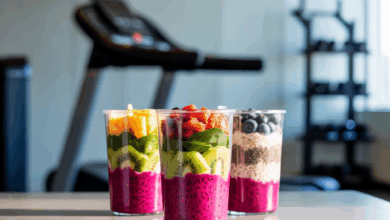
- Protein smoothie: milk, whey or plant protein, banana, and a handful of oats.
Pre-workout snacks for cardio or HIIT
For high-intensity or endurance sessions, prioritize easily digestible carbs:
- Plain bagel with honey or jam.
- Energy bar (choose one low in fiber and fat close to the workout).
- Fruit and a small handful of pretzels for salt and quick glucose.
What to avoid before exercise
- High-fat, greasy foods that slow digestion (e.g., heavy fried meals).
- Very high-fiber meals right before exercise (can cause bloating and gas).
- Excessive sugar that may cause an energy crash.
Hydration and small performance boosters
Hydration is often overlooked. Drink water throughout the day and 8–12 ounces 15–30 minutes before your workout. For longer or very intense sessions, consider an electrolyte drink. A small caffeine dose (coffee or green tea) 30–60 minutes before exercise can boost focus and perceived effort for many people—just avoid too much right before bed.
Personalized tips for common scenarios (real-world examples)
Early morning gym: minimal time
If you’re training first thing and can’t stomach a large meal, try a small snack like a banana or a half-smoothie 20–30 minutes before. Many people do well with black coffee + a light carb.
Lunchtime HIIT class
Eat a light, balanced snack 60 minutes prior—Greek yogurt with a small serving of granola or a rice cake with almond butter. Keep it small so you can feel agile and fast.
Evening strength session after work
A full meal 2–3 hours before works best: quinoa or brown rice, lean protein, and vegetables. If you’re eating closer to your workout, keep the portion smaller and include mostly carbs and lean protein.
Workout variations and matching the fuel
- Endurance (running, cycling): More carbs, moderate protein. Oatmeal, bagel, or banana-based smoothies work well.
- Strength (lifting, powerlifting): Balanced carbs + protein 2–3 hours prior; a small protein-carb snack 30–60 minutes before can help performance.
- HIIT/crossfit: Fast carbs with minimal fat. Energy bars, fruit, or a small sports drink if needed.
- Yoga/mobility: Small, light snacks or even training fast if it feels comfortable—focus on hydration and light carbs if you’re hungry.
Lifestyle recommendations to boost workout fuel
- Plan meals around your training schedule to avoid last-minute poor choices.
- Keep easy pre-workout snacks on hand: bananas, rice cakes, nuts, single-serve yogurt.
- Track how different foods affect performance—everyone digests differently.
- Combine nutrition with consistent sleep and stress management for better training adaptations.
Frequently Asked Questions
1. When is the best time to eat before a workout?
Generally, eat a full meal 2–3 hours before exercise. If you have less time, choose a small, easily digestible snack 30–60 minutes beforehand. Adjust based on how your stomach tolerates food.
2. What should I eat before a workout to lose weight?
To support weight loss, focus on a small, nutrient-dense snack balanced in protein and carbs to preserve muscle and control appetite—examples: Greek yogurt with berries or a small apple with peanut butter. Keep overall daily calories in line with your weight-loss plan.
3. Can I work out on an empty stomach?
Yes, some people do fasted workouts, especially for light cardio. However, for high-intensity or long-duration training, eating beforehand usually improves performance and reduces muscle breakdown. Listen to your body and experiment to find what works best.
Conclusion: Fuel smart, train better
Knowing what to eat before a workout helps you train harder, recover faster, and feel better during your session. Whether your goal is fat loss, endurance, or building muscle, aim for the right balance of carbs and protein at the right time. Try a few snack and meal combos from this guide and note how you feel—small tweaks can lead to big gains.
Ready to put this into action? Check out our workout routines page for training plans that match your nutrition, and browse our nutrition guides for sample meal plans. For daily habits that support performance, see our wellness tips. Share your favorite pre-workout meal in the comments and start fueling smarter today!
For more tips on what to eat before a workout, check out our guide What to Eat Before a Workout: Smart, Simple Fuel for Better Performance.
For more tips on what to eat before a workout, check out this guide.
For more tips on what to eat before a workout, check out this guide.
For more tips on what to eat before a workout, check out First Day of Workout Tips.
For more comprehensive diet and workout tips, check out Diet and Workout Tips.