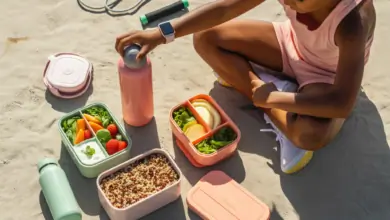
Just finished a tough sweat session and standing in front of the kitchen wondering, “What should I eat now?” You’re not alone. Whether you crushed a heavy leg day, finished a long run, or completed an intense HIIT circuit, choosing the right post-exercise fuel can make the difference between sore stagnation and steady progress.
Why post-workout food matters
Post-exercise nutrition — what to eat after a workout — helps replenish energy, repair muscle tissue, and rehydrate your body. The right combination of protein, carbohydrates, fluids, and micronutrients supports recovery, reduces fatigue, and primes you for your next training session. Think of your post-workout meal as important maintenance, not a reward.
Basic rules: timing, macronutrients, and hydration
Timing: the recovery window
Aim to eat within 30–90 minutes after your workout. That “anabolic window” is flexible, but sooner is often better for intense strength sessions or long endurance workouts.
Macronutrient balance: protein and carbs
Focus on protein for muscle repair and carbohydrates to replenish glycogen. A common guideline is a 2:1 or 3:1 carb-to-protein ratio for endurance sessions and closer to 1:1–2:1 after resistance training. Shoot for 20–40 grams of protein for most adults, paired with enough carbs to match workout length and intensity.
Hydration and electrolytes
Rehydrate with water or a drink that replaces sodium and potassium if you sweated a lot. Coconut water, a small sports drink, or a pinch of salt and lemon in water can help restore electrolyte balance after extended or high-heat workouts.
Practical post-workout meal and snack ideas
Here are quick, real-world options you can make at home, at the gym, or on the go. These combine lean protein, quality carbs, and healthy fats for balanced recovery.
- Protein shake + banana + oats: Whey or plant protein, a banana, and a tablespoon of oats — blend for a fast recovery smoothie.
- Grilled chicken + sweet potato + greens: A solid meal for strength training days.
- Greek yogurt + berries + honey: High-protein and antioxidant-rich for moderate workouts.
- Tuna on whole-grain bread + salad: Fast, portable, and balanced.
- Cottage cheese + pineapple + almonds: Slow-digesting casein protein and healthy fats for evening workouts.
- Rice bowl with beans, avocado, and salsa: Great plant-based post-workout fuel.
- Chocolate milk: An inexpensive, science-backed recovery drink with carbs and protein in a ~3:1 ratio.
What to eat after different types of workouts
Strength training (muscle building)
Prioritize protein to stimulate muscle protein synthesis. Aim for 25–40 g of protein and 20–50 g of carbs. Example: grilled salmon, quinoa, and steamed veggies.
HIIT and circuit training
These workouts deplete glycogen and cause muscle microtears. A balanced meal with carbs and protein within 30–60 minutes helps recovery. Try a turkey wrap with mixed greens.
Endurance training (long runs, cycling)
Long endurance sessions need more carbs to refill glycogen. Target a higher carb intake (60–100 g depending on duration) and 20–30 g protein. Example: pasta with chicken and tomato sauce or rice, beans, and roasted veggies.
Portion and calorie tips depending on goals
Your goals change what to eat after a workout:
- For muscle gain: Eat a calorie surplus with higher protein and carbs—frequent post-workout meals or shakes help.
- For fat loss: Keep protein high to preserve lean mass; manage carbs based on total daily calories rather than skipping post-workout food.
- For performance/endurance: Prioritize carbs and electrolyte replacement to maintain energy across sessions.
Easy strategies to make post-workout nutrition stick
- Plan three staple meals and two recovery snacks you enjoy — that reduces decision fatigue.
- Prep protein portions (cooked chicken, boiled eggs, portioned beans) so you can build a meal quickly.
- Carry a small protein powder sachet or pre-made smoothie for gym days.
- Listen to how your body responds: tweak carbs up or down based on energy, performance, and recovery.
Real-world examples: workouts + recovery meals
Example week:
- Leg day (Monday): 30–40 g protein + 40–60 g carbs — chicken breast, sweet potato, steamed broccoli.
- Interval run (Wednesday): Quick shake with banana and oats immediately, then a balanced meal a couple hours later.
- Yoga/recovery (Friday): Light protein + carbs — Greek yogurt with fruit and a sprinkle of granola.
What to avoid after a workout
Avoid heavy, greasy meals that slow digestion and limit nutrient absorption right after training. Also skip excessive refined sugars that spike blood sugar without meaningful recovery benefits. Alcohol impairs muscle protein synthesis and rehydration — keep it minimal after intense sessions.
Further reading and useful resources
Want more structured plans? Check our guides on workout routines for exercise pairings and progression, or read the nutrition guides for meal plans and portion charts. For holistic habits that speed recovery, visit our wellness tips page.
Frequently Asked Questions
1. How soon should I eat after a workout?
Ideally within 30–90 minutes. A quick protein-carbohydrate snack immediately followed by a full meal in 1–2 hours works well for most people.
2. Are protein shakes enough after exercise?
Protein shakes are a convenient and effective immediate option, especially when whole food isn’t available. Pair them with a carb source (fruit, oats) for best results after long or intense workouts.
3. What if I’m trying to lose weight — should I skip post-workout food?
No. Skipping post-workout nutrition can impair recovery and lead to muscle loss. Instead, prioritize lean protein and controlled portions of carbs to preserve muscle while staying in a calorie deficit.
Conclusion — Take action on your recovery
Knowing what to eat after a workout sets the stage for faster recovery, less soreness, and better performance. Keep it simple: timely protein, adequate carbs, and proper hydration. Start by picking two go-to post-workout meals you enjoy, prep them this week, and notice how your energy and progress improve.
Ready to optimize your routine? Try one of the meal ideas above after your next session and share your results. For customized plans, explore our nutrition guides and workout routines to match meals with your training goals.