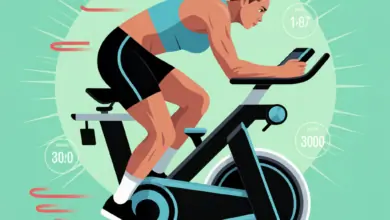
Ever hopped off your bike and noticed your legs felt firmer, or wondered why your lower back sometimes aches after a long ride? Whether you’re a daily commuter, a weekend rider, or spinning through sweaty studio classes, cycling changes your body in specific ways. In this article we’ll answer the big question: what muscles does cycling tone, how to maximize those gains, and simple ways to build a leaner, stronger cycling physique.
Why cyclists look and feel different: a quick overview
Cycling is primarily a lower-body endurance activity that blends strength, power and cardiovascular fitness. Over time this mix promotes muscle tone (improved muscle firmness and definition), muscular endurance, and fat loss — all of which contribute to a leaner silhouette. But which muscles benefit the most? Read on.
What muscles does cycling tone?
Here’s a breakdown of the primary and secondary muscle groups that cycling targets, and what each does during the pedal stroke:
Primary muscles worked
- Quadriceps: Located at the front of the thigh, quads power the downstroke and help extend the knee. They’re the most visibly toned muscle group from regular cycling.
- Hamstrings: On the back of the thigh, hamstrings assist the upstroke and stabilize the knee. They develop endurance and better muscle balance with consistent pedaling.
- Glutes (gluteus maximus): The buttock muscles activate on the downstroke, especially when climbing or sprinting, contributing to a tighter, stronger rear.
- Calves (gastrocnemius and soleus): Calves stabilize the ankle and contribute to the pedal movement, giving your lower legs a toned appearance.
Secondary and supporting mu
scles
- Hip flexors: These help lift the leg during the upstroke and can become more conditioned with cadence work.
- Core (abs and obliques): A strong core stabilizes the torso on longer rides and improves power transfer — cycling can strengthen these if you maintain good posture.
- Lower back: Endures sustained contraction to hold riding position; it gains endurance but needs targeted strengthening off the bike to prevent discomfort.
- Upper body (arms and shoulders): While less involved, they assist in handling, especially during climbs or sprints, and respond to high-intensity efforts and technical riding.
How different types of cycling affect muscle tone
The way you ride changes which muscles get emphasized:
- Road riding: Long, steady efforts build muscular endurance and lean leg definition.
- Hill climbs and mountain biking: Increase glute, quad and hamstring strength — great for building power and shape.
- Spin classes and high-cadence training: Improve cardiovascular fitness and tone calves and quads through repeated, high-intensity intervals.
- Commuting or casual riding: Offers consistent, low-to-moderate intensity work that helps maintain tone and burn fat.
Practical tips to tone more effectively with cycling
To optimize muscle tone, combine smart on-bike strategies with off-bike habits:
- Mix intensities: Alternate easy rides, tempo efforts, and interval sprints to recruit both slow- and fast-twitch muscle fibers.
- Add resistance workouts: Hill repeats, heavy gear intervals, or low-cadence, high-resistance sessions increase strength and muscle hypertrophy.
- Cross-train: Add squats, deadlifts, lunges, and core work 2× weekly to build power and prevent imbalances.
- Stretch and mobilize: Focus on hip flexors, hamstrings, and lower back mobility to improve pedaling mechanics and reduce tightness.
- Recovery matters: Sleep, foam rolling, and proper rest days are essential for muscle repair and definition.
Workout variations to target specific areas
For stronger glutes and quads
- Climb repeats: 6–8 x 2–4 minutes uphill at hard effort with full recovery.
- Low-cadence power: 4 x 5 minutes at 60–70 RPM in a heavy gear to emphasize force through the downstroke.
For toned calves and endurance
- Cadence drills: 3 x 5 minutes at high cadence (100–110 RPM) to improve neuromuscular control.
- Long steady rides: 60–120 minutes at conversational pace to burn fat and increase muscle definition.
Nutrition and lifestyle tips that boost muscle tone
What you eat and how you live affects how cycling shapes your body:
- Protein intake: Aim for a moderate protein intake spread through the day to support repair and lean muscle maintenance.
- Smart fueling: Prioritize carbohydrates for longer rides, but use calorie balance to support fat loss if leaning out is a goal.
- Hydration and electrolytes: Maintain performance and recovery to maximize training consistency.
- Stress management: Chronic stress hampers recovery; practices like stretching, yoga, or mindfulness help sustain progress.
Real-world examples: quick wins for busy riders
If you commute 30 minutes each way, add one interval session and two strength sessions per week and you’ll notice firmer legs in 6–8 weeks. Weekend warriors who add a weekly hill repeat and foam rolling routine typically see stronger glutes and fewer aches after several rides.
Frequently Asked Questions
1. Does cycling tone your butt?
Yes — cycling, especially climbing or high-resistance efforts, engages the glute muscles (gluteus maximus) and helps firm and shape the buttocks over time. Adding targeted strength work accelerates results.
2. Can cycling tone your stomach and core?
Cycling strengthens core endurance because your abs and obliques stabilize your torso during rides. However, visible abdominal definition also depends on body fat percentage and targeted off-bike core training.
3. How often should I cycle to see muscle tone?
A consistent plan of 3–5 rides per week (mixing endurance, intervals, and one strength-focused session) combined with strength training and proper nutrition typically shows visible changes in 6–12 weeks.
Conclusion — Takeaway and next steps
Cycling tones primarily the quads, hamstrings, glutes, and calves while improving core and lower-back endurance. By mixing ride types, adding resistance, and supporting your training with strength work and proper nutrition, you’ll accelerate the toning process. Ready to build a stronger ride? Try a weekly plan that combines two interval sessions, one long ride, and two strength sessions — and check out our workout routines and nutrition guides for tailored plans and meal ideas to support your goals.
Start today: ride with purpose, vary your workouts, and watch how cycling sculpts a fitter, more resilient body.