Ever stood in a grocery aisle, label in hand, wondering whether that chicken or snack is actually allowed — or the best choice for your workout goals? If you’re trying to eat cleaner, train harder, and respect dietary choices (your own or others’), understanding what is halal food can make meal planning simpler and more effective.
What is halal food? A quick, friendly explanation
At its core, halal food refers to items that are permissible under Islamic dietary laws. “Halal” literally means allowed or lawful. For many people this covers how meat is slaughtered (with a specific ritual), plus avoiding prohibited items like pork and alcohol. But halal eating also extends into halal-certified products, halal-friendly snacks, and a broader halal diet mindset that can align well with clean eating and sports nutrition.
Key elements of halal foods
- Permissible protein sources: properly slaughtered beef, lamb, chicken, game, most seafood, eggs, and dairy.
- Forbidden items: pork and pork by-products, blood, alcohol, and animals not slaughtered according to halal methods.
- Processed goods: look for halal certification on packaged foods to confirm ingredients and handling.
Why fitness enthusiasts should care about halal nutrition
Whether you follow halal for religious reasons or choose halal foods for perceived quality and ethical sourcing, the principles can support a health-focused lifestyle. Halal-certified producers often emphasize traceability, humane slaughter practices, and clear ingredient lists — useful when you’re tracking macros or choosing lean protein sources.
Halal protein sources for muscle gain and recovery
- Lean chicken breast (halal-certified): a staple pre/post-workout protein.
- Grass-fed beef or halal lamb: great for iron and B vitamins.
- Seafood: fish like salmon and tuna are naturally halal and rich in omega-3s.
- Plant proteins: lentils, chickpeas, quinoa, and soy for vegetarian or vegan halal diets.
Practical halal meal ideas for training days
Here are real-world, easy-to-prep meals that fit both a halal diet and fitness goals:
- Pre-workout: banana with almond butter and a small handful of dates for quick energy.
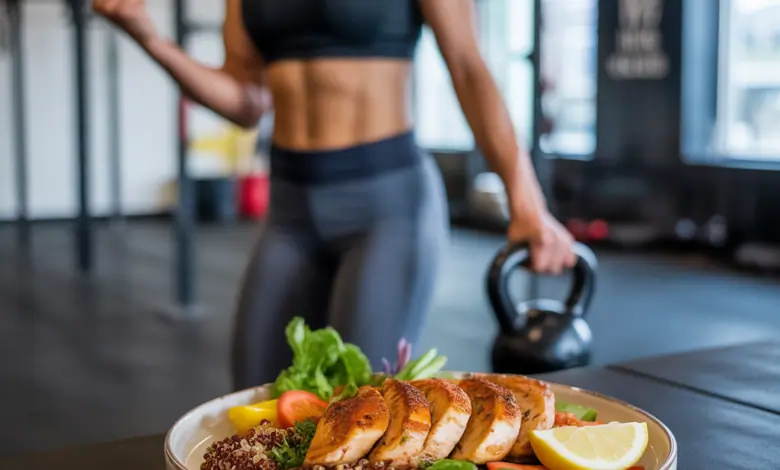
- Post-workout: grilled halal chicken breast, quinoa, roasted vegetables, and a yogurt-based dressing.
- High-protein snack: boiled eggs, carrot sticks, and hummus.
- Meal-prep bowl: halal beef or turkey mince, brown rice, sautéed greens, and olive oil.
Workout variations to complement a halal diet
Fueling matters, but training smart does too. Mix these workouts into your weekly routine to optimize results from halal-friendly foods:
- Strength block (3 days/week): compound lifts—squats, deadlifts, bench press—focus on progressive overload to build muscle using halal protein for recovery.
- HIIT sessions (1–2 days/week): 20–30 minutes of intervals (sprints, bike, bodyweight circuits) to improve conditioning and burn fat.
- Active recovery & mobility (1–2 days/week): yoga or mobility flows to reduce injury risk and improve sleep quality.
Sample week
- Mon: Strength (lower body) + 10-minute core
- Tue: HIIT 20 min + stretching
- Wed: Strength (upper body)
- Thu: Active recovery (yoga)
- Fri: Full-body circuit
- Sat: Light cardio or sport
- Sun: Rest / mobility
Healthy lifestyle advice that fits halal eating
Halal food can be part of a balanced lifestyle. Use these practical tips every week:
- Plan and prep: batch-cook halal proteins and grains to avoid grabbing convenience foods that may contain hidden alcohol or non-halal additives.
- Read labels: halal certification logos, ingredient lists, and manufacturing notes help ensure compliance.
- Balance macros: aim for a mix of protein, complex carbs, and healthy fats around workouts to support energy and recovery.
- Hydrate and sleep: two non-negotiables for performance—water and 7–9 hours of quality sleep enhance muscle repair and mood.
Real-world examples: Halal diet for different goals
Case 1 — Fat loss: Swap fried falafel for baked chickpea patties, prioritize lean halal proteins, and use HIIT to preserve muscle. Case 2 — Muscle building: Increase calorie intake via whole grains, nuts, and halal red meat while following a structured strength program. Case 3 — Plant-based halal: Combine legumes, tofu, and seeds to hit protein needs while practicing mindful portioning.
Frequently Asked Questions
1. Is halal food only for Muslims?
No. While halal dietary laws originate from Islamic teachings and are followed by Muslims, anyone can choose halal food for ethical, health, or dietary reasons. Many non-Muslims prefer halal-certified products for clarity about sourcing and processing.
2. How can I tell if a product is halal-certified?
Look for a halal certification mark on the packaging or check the ingredient list for prohibited items like pork derivatives or alcohol. In ambiguous cases, contact the manufacturer or choose clearly labeled halal brands.
3. Is halal meat healthier than non-halal meat?
Halal certification focuses on permissibility and handling, not inherently on nutrition. Healthier choices come from selecting lean cuts, reducing processed meats, and cooking methods (grilling, baking, steaming) rather than the halal label alone.
Bringing it together: halal food and your fitness journey
Understanding what is halal food helps you make informed choices that align with ethics, performance, and taste. Whether you’re prepping meals to support heavy lifting, planning clean bulking, or keeping a balanced diet for endurance training, halal options offer plenty of nutritious, protein-rich choices that fit a modern active lifestyle.
Ready to take your meals and workouts up a notch? Start by planning two halal-friendly meal-prep sessions this week and try one new workout variation from our workout routines page. For help fine-tuning your plate, check out our nutrition guides and browse practical wellness tips to keep recovery, sleep, and hydration on point.
Conclusion
So, what is halal food? It’s more than a label—it’s a way to choose permissible, often carefully sourced foods that can support clean eating and fitness goals. By pairing halal protein sources with smart workouts and practical lifestyle habits, you can fuel performance, recovery, and long-term health. Take action now: plan a halal-friendly grocery list and a week’s workout plan, then commit to two weeks of consistent meals and training to see how your body responds.