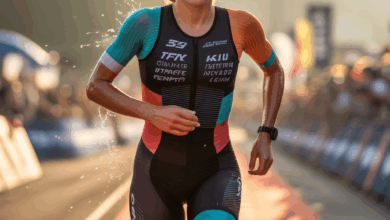
Have you ever pictured yourself crossing a finish line after hours of swimming and cycling, only to realize you’ve still got a marathon to run? If that thought made you curious — or scared — you’re not alone. Understanding what is an Ironman run is the first step to deciding whether this ultimate endurance challenge belongs on your bucket list.
What is an Ironman run?
The Ironman run is the final leg of an Ironman triathlon: a full 26.2-mile (42.195 km) marathon that comes after a 2.4-mile swim and a 112-mile bike. Unlike a standalone marathon, the Ironman run is performed with depleted energy stores, fatigued muscles, and the need for precise race nutrition and pacing. That unique context — the swim and bike beforehand — makes the Ironman run a very different beast than any regular marathon or long-distance race.
Why the Ironman run feels different from a regular marathon
Muscle fatigue and energy systems
After hours of swimming and cycling, your legs are taxed and your glycogen reserves are low. The body shifts to using a mix of fat and carbohydrate stores, and muscle recruitment changes because of prior cycling-induced muscle damage. Expect slower paces than you might run in a standalone marathon.
Fueling and hydration challenges
Ironman run nutrition is about steady calorie and electrolyte intake. You can’t “carb-load” in the last hour — you must manage calories across the whole day. Poor fueling on the bike often creates bigger problems on the run.
Mental endurance and pacing
Mental toughness wins races. The marathon at the end of an Ironman requires smart pacing (often a conservative start), strong focus, and the ability to push through heavy legs while protecting the body from overheating and dehydration.
How long is an Ironman run and what finish times look like
The Ironman run distance is the same as any marathon: 26.2 miles (42.195 km). What varies dramatically is time. Elite professionals may complete the run in around 2:40–3:00 hours, while age-group athletes typically range from about 3 to 6+ hours depending on experience, conditions, and race-day nutrition.
Remember: in an Ironman, the run is the final test — your goal is to finish strong, not necessarily to run your fastest marathon time.
How to train for the Ironman run
Training for the Ironman run blends marathon-style runs with triathlon-specific workouts (especially bricks — bike-to-run sessions). The key is building endurance without burning out your legs.
Sample weekly run workouts
- Long run: 90–150 minutes at an easy steady pace (build time gradually)
- Brick workout: 60–100 minute bike immediately followed by a 20–40 minute run to adapt to the bike-to-run transition
- Tempo/threshold run: 20–40 minutes at moderate-hard effort to improve lactate threshold
- Intervals: 6–10 x 1 km or 3–5 x 3–5 minutes at faster pace with recovery
- Recovery run: 20–40 minutes easy to promote circulation and recovery
Strength, mobility, and cross-training
Include 2 strength sessions per week focusing on glutes, hamstrings, core, and single-leg stability. Add mobility and foam-rolling sessions to maintain range of motion and reduce injury risk.
Practical race-day strategies and nutrition tips
- Practice your race nutrition during long bricks—use the same gels, sports drink, and timing you’ll use on race day.
- Aim for 200–300 kcal per hour during the bike and 150–300 kcal per hour on the run, depending on body size and tolerance.
- Start the run conservatively — your first few miles will feel surprisingly heavy; settle into a steady pace.
- Use electrolytes to prevent cramping; monitor urine color during training to dial in hydration habits.
- Consider a walk-run strategy late in the marathon if you’re trying to minimize muscle damage and ensure you finish strong.
Healthy lifestyle habits that support Ironman run performance
Preparation is more than miles. Sleep, recovery, immunity, and daily nutrition determine how well your body adapts to training.
- Sleep 7–9 hours per night — recovery happens while you rest.
- Eat a balanced diet with whole grains, lean proteins, healthy fats, and plenty of vegetables to support training volume.
- Schedule regular deload weeks to prevent overuse injuries and mental burnout.
- Practice stress management techniques—short mindfulness or breathing exercises help on long race days.
Real-world example: a beginner’s path to a successful Ironman run
Meet “Sarah,” a recreational runner who decided to step up to an Ironman. She followed a 40-week plan that emphasized cycling and swim technique early, then transitioned into run-specific bricks 12 weeks from race day. By practicing bike-to-run transitions and dialing in fueling on long training days, Sarah completed the Ironman run using a steady 7:1 run-walk rhythm during the final 10 miles. Her takeaway: consistent, specific practice beat trying to run on feels alone.
What to pack for the Ironman run leg
- Comfortable shoes you’ve already clocked many miles in
- Extra gels or chewables in a race belt for easy access
- An anti-chafe product and a spare pair of socks if you’re prone to blisters
- Sunglasses/hat and sunscreen for protection
Frequently Asked Questions
1. How long is the Ironman run leg?
The Ironman run is a full marathon: 26.2 miles (42.195 km). It follows a 2.4-mile swim and a 112-mile bike ride as part of the Ironman triathlon.
2. Can a first-time marathoner finish the Ironman run?
Yes, with structured training, proper nutrition, and realistic pacing. Most first-time Ironman finishers use walk-run strategies, conservative pacing, and specific brick workouts to adapt to running after biking.
3. What’s the best way to avoid hitting the wall during an Ironman run?
Consistent fueling throughout the swim and bike, training your gut to tolerate calories during exercise, pacing conservatively at the start of the run, and practicing long bricks in training greatly reduce the risk of “hitting the wall.”
Conclusion
So, what is an Ironman run? It’s the marathon finale of an Ironman triathlon — 26.2 miles of mental grit and physical resilience after a long swim and bike. Training smart with bricks, balanced nutrition, strength work, and recovery will get you to the finish line feeling strong. Ready to build a plan? Check out our workout routines and nutrition guides, or explore more wellness tips to support your journey. Sign up for our newsletter or try a sample brick workout this week — your Ironman run starts with your next training session.