Have you ever stood poolside, hearing the buzzer and watched athletes explode off the blocks and wondered, “what is a swim meet really like?” Whether you’re a parent signing up your first child, a beginner swimmer considering competition, or a fitness enthusiast curious about swim races, a swim meet blends nerves, strategy, and fitness into one electrifying event.
What is a Swim Meet?
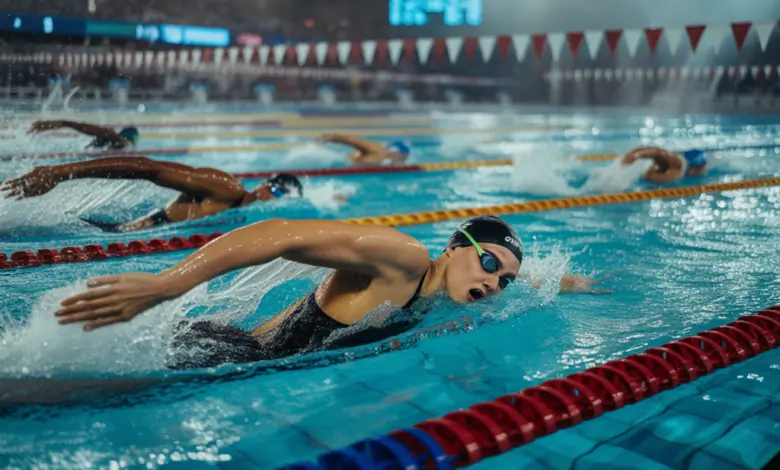
A swim meet is an organized swim competition where swimmers race in predefined events (freestyle, backstroke, breaststroke, butterfly, and individual medley) across set distances. Meets range from neighborhood dual meets and age-group competitions for youth to collegiate championships and masters swim meets for adults. Events are typically run in heats with top times advancing to finals, and scoring systems reward teams or individual placements.
Types of Swim Meets
Youth and Age-Group Meets
These are entry points for most swimmers. They focus on development, technique, and experience. Races are usually shorter and emphasize steady progress over podiums.
High School, Collegiate, and Club Meets
Higher stakes, team scoring, and more events. These meets often introduce preliminaries (heats) and finals, relay strategy, and tighter race-day routines.
Masters and Open Water Events
Masters meets are designed for adult competitors across age brackets and can be highly competitive. Open water races introduce elements like navigation, drafting, and varying conditions.
How Swim Meets Work: Heats, Finals, and Scoring
Understanding the structure reduces anxiety. Most meets run heats based on entry times. Faster swimmers are seeded into later heats; top times across heats may advance to finals. Team-based meets use point systems—first place gets the most points, and relay events often carry higher value.
Common Meet Formats
- Timed Finals: Each swimmer races once; places determined by times.
- Prelims/Finals: Top swimmers from prelims qualify for evening finals.
- Relay-Only or Time Trials: Specific events focused on team or individual time improvements.
Preparing for a Swim Meet: Training, Nutrition, and Gear
Preparation covers training, recovery, and logistics. A balanced approach—technical swim work, dryland strength, nutrition, and rest—produces consistent race-day improvements.
Practical Training Tips
- Warm-up and drill consistently: Prioritize technique sessions (e.g., 4×200 choice with drill focus).
- Include interval training: 8–12 x 50 with controlled rest improves speed endurance.
- Dryland strength: Core, single-leg work (lunges, step-ups), pull-focused upper body (band rows, pull-ups) for stroke power.
- Taper smart: Reduce volume but keep intensity 1–2 weeks before key meets to arrive fresh.
Sample Swim Workouts and Variations
Adjust volumes to your level. Example sprint-focused set for advanced swimmers: Warm-up 400 swim, 8×50 drills, Main: 12×25 all-out on 90s, Recovery: 200 easy. Endurance focus: 10×200 on pace with 30s rest.
Nutrition and Hydration
Pre-meet: Emphasize complex carbs (oatmeal, whole-grain toast), a moderate protein source, and hydration. During long meets, small carb snacks (bananas, energy bars) and electrolyte drinks maintain performance. Post-race: Aim for 20–30g protein and carbs to support recovery (e.g., yogurt and fruit or a recovery shake).
Swim Meet Day Checklist and Race-Day Tips
Being organized reduces stress. Here’s a practical meet-day checklist and routine to help you focus on performance.
What to Pack
- Two suits (one backup), goggles, swim cap
- Towels, flip-flops, warm-up sweatshirt
- Nutrition: snacks, water, electrolyte drink
- Team gear, race schedule, and any required registration paperwork
Warm-Up, Race Routine, and Recovery
- Arrive early to check warm-up pool times.
- Dynamic warm-up on deck: arm circles, band pull-aparts, light core activation.
- Pool warm-up: 400–800 mix of swim/kick/pull, plus race-pace sprints 30–60 minutes before your event.
- Between races: active recovery, refuel, brief mobility, and visualization to stay sharp.
Real-world example: A 14-year-old swimmer named Maya cut 2 seconds off her 100 free after implementing weekly tempo sets, targeted core work, and a consistent taper. Small, targeted changes produce measurable results.
Training for Different Goals: Speed vs. Endurance
Adjust your workouts by event. Sprinters emphasize high-intensity, low-volume sets, power training, and explosive starts. Distance swimmers focus on aerobic threshold sets, pacing practice, and efficient stroke economics. Masters swimmers may combine both with injury-preventive strength work and mobility sessions.
Swim Meet Etiquette and Safety
Respect officials, be on time for marshalling, and follow pool rules. Safety is vital—no running on deck, listen to lifeguards, and report any lane issues immediately. Good etiquette keeps meets running smoothly and reduces distractions for competitors.
Frequently Asked Questions
What should I bring to a swim meet?
Bring two suits, goggles, swim cap, towels, flip-flops, healthy snacks, a refillable water bottle, team gear, and any registration or medical forms. Pack a small chair or blanket for long meets and layers to stay warm between events.
How long does a swim meet usually last?
It depends on the format. Local age-group meets can last 2–6 hours; full-day meets or championships may run 8–12 hours across sessions. Plan for downtime and carry food and hydration.
How do swimmers advance to finals or score points?
Advancement is typically based on times from preliminary heats—fastest swimmers qualify for finals. Scoring varies by meet but usually awards points to top finishers; relays often award more points and can swing team standings.
Conclusion: Ready to Dive In?
Now that you know what a swim meet is, you can approach your first or next competition with confidence. Focus on consistent training, smart nutrition, race-day routines, and mental preparation. If you want guided swim workout suggestions, check out our workout routines. For fueling and recovery plans, see our nutrition guides, and for lifestyle habits that support performance, explore our wellness tips. Ready to sign up or support an athlete? Take the next step—plan your meet-day checklist, book a warm-up routine, and dive in with purpose.
Action step: Pick one swim workout from our workout routines, try it this week, and track how you feel—small consistent changes create big race-day gains.