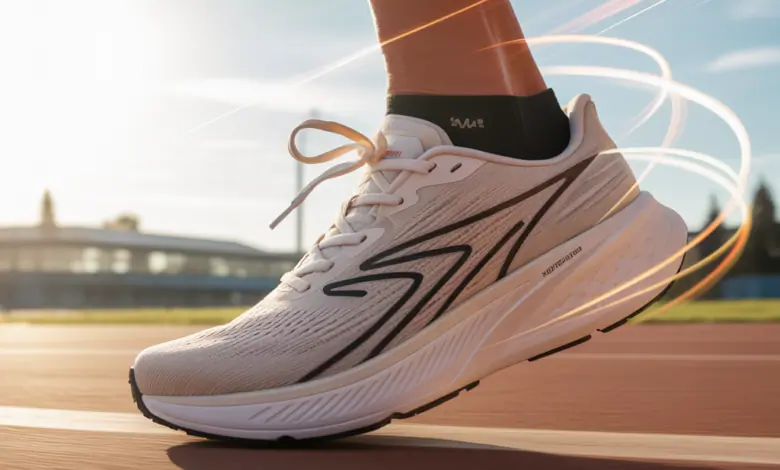
Have you ever stood in a running store, tried on a dozen pairs, and wondered which shoe actually matches your stride? Or felt your ankle roll inward or outward on a long run and wondered whether your shoes are to blame? Understanding what is a neutral running shoe can save miles of discomfort and serious mistakes when choosing your next pair.
What is a neutral running shoe?
A neutral running shoe is designed for runners with a neutral gait — meaning the foot neither excessively rolls inward (overpronation) nor outward (underpronation/supination) during the stance phase. Neutral-cushioned running shoes focus on balanced shock absorption, responsive cushioning, and natural foot movement rather than corrective arch support or motion-control elements.
Why neutral shoes matter
Choosing the right shoe affects comfort, injury risk, and running efficiency. Neutral shoes provide even distribution of impact forces and encourage a natural foot strike. They work best for runners with a neutral foot strike or those who prefer a lighter, more flexible trainer that lets the foot move freely.
Key features of neutral cushioned running shoes
- Cushioned midsoles that absorb impact without biasing inward or outward motion
- Moderate heel-to-toe drop (though neutral shoes can be low-drop or high-drop depending on model)
- Flexible, breathable uppers for natural toe splay
- Centered outsole patterns that encourage a straight, balanced rollout
Neutral vs. stability vs. motion-control: What’s the difference?
Understanding the differences helps you pick shoes that match your biomechanics:
- Neutral shoes: For neutral gait or mild supination. Focus on cushioning and responsiveness.
- Stability shoes: Provide light corrective features (like medial posts or firmer foam) for mild to moderate overpronators.
- Motion-control shoes: Heavier corrective shoes for significant overpronation; often used by heavier runners or those with pronounced flat feet.
Who should wear neutral running shoes?
Neutral shoes are ideal for:
- Runners with a neutral gait (no excessive pronation or supination)
- Experienced runners who prefer a natural, minimalist feel
- Runners using orthotics who only need cushioning, not additional correction
- People training for speed workouts, tempo runs, or races who want responsive shoes
Real-world example: Sarah, a mid-pack marathoner, switched from a stability trainer to a neutral cushioned shoe after gait analysis showed minimal pronation. She noticed improved cadence and fewer hotspots on long runs.
How to tell if you need a neutral shoe
Quick self-checks
- Look at your worn-out shoes: even wear across the forefoot and midsole suggests a neutral strike.
- Wet-foot test: step on cardboard with a wet foot; a normal arch print suggests neutral — though it’s not definitive.
- Visit a local running store for a gait analysis on a treadmill — the most reliable quick method.
When to consider something else
If you see heavy wear on the inner edge of the sole, experience chronic shin splints, or were advised by a podiatrist to use corrective support, a stability or motion-control shoe (or custom orthotics) may be a better option.
Choosing the right neutral running shoe: Practical tips
- Try shoes late in the day when feet are slightly swollen to simulate run-time fit.
- Leave a thumb’s width of space at the toe to prevent black toenails on long runs.
- Bring the socks you run in when trying shoes to check true fit.
- Test the shoe with a short jog or treadmill run if possible — you want to feel efficient, not constrained.
Fit, cushioning, and heel-to-toe drop
Balance cushioning (for long runs) with responsiveness (for speedwork). Heel-to-toe drop affects your running form: low-drop encourages a midfoot forefoot strike, while higher drop can be more forgiving for heel strikers.
Training tips and workout variations for neutral-shoe runners
Neutral shoes pair well with a variety of workouts. Here are practical training ideas you can try:
- Speed day: 8 x 400m at 5K pace with 90s recovery — neutral shoes add responsiveness for quick turnover.
- Tempo run: 20–40 minutes at threshold pace to build lactate tolerance; use cushioned neutral trainers for comfort.
- Long run: 10–20% of weekly mileage increase; neutral shoes with good cushioning reduce fatigue on long efforts.
- Cross-training: Strength sessions (single-leg deadlifts, squats, calf raises) 2x per week to support foot stability.
Healthy lifestyle and recovery advice
Comfortable shoes are only part of the equation. Combine them with proper recovery and nutrition:
- Use contrast baths or foam rolling to manage post-run soreness.
- Eat a balanced mix of carbohydrates and protein within 45 minutes after hard sessions — see our nutrition guides for sample recovery meals.
- Rotate between two pairs of neutral running shoes to increase durability and reduce injury risk.
- Incorporate mobility work and a dynamic warm-up before runs and strength-focused routines from our workout routines page.
Frequently Asked Questions
1. Can neutral running shoes prevent injuries?
They can reduce certain impacts and improve comfort for neutral runners, but no shoe can guarantee injury prevention. Strength training, proper mileage progression, and good running form are equally important.
2. Are neutral shoes good for overpronators?
Not usually. Overpronators typically benefit from stability or motion-control shoes that add medial support. However, mild pronators sometimes do well in neutral shoes combined with strengthening exercises or custom orthotics.
3. How often should I replace neutral running shoes?
Replace running shoes every 300–500 miles depending on build, weight, and running surface. Signs you need new shoes include reduced cushioning, uneven wear, or new aches and pains during runs.
Conclusion
Knowing what is a neutral running shoe helps you make smarter choices for comfort, performance, and injury prevention. If you have a neutral gait or want a responsive, cushioned trainer, neutral shoes are a strong option. Try them on, pair them with well-rounded training from our workout routines, and support recovery with tips from our wellness tips and nutrition guides.
Ready to test a neutral shoe? Head to a local fitting session, try a short run, and take note of how your feet, knees, and hips feel afterward. If you enjoyed this guide, subscribe for more practical running advice and shoe reviews.