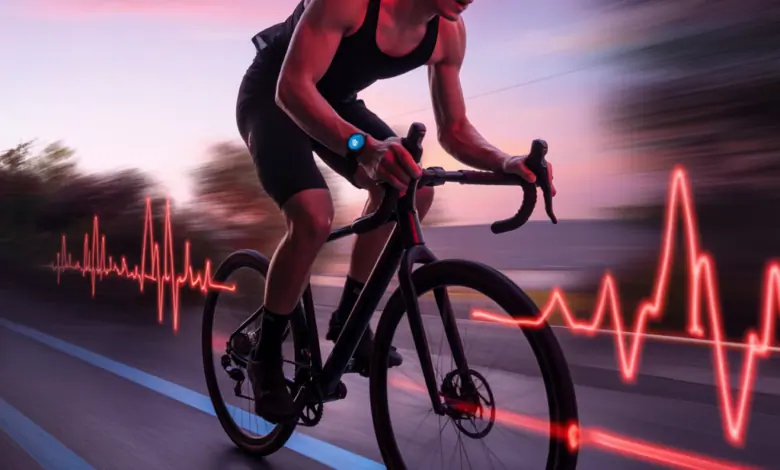
Have you ever been on a long climb, heart hammering, and wondered aloud, “Is this safe?” or asked your riding buddy if their pulse feels too high? Knowing what is a dangerous heart rate when cycling can keep you riding longer and safer. This guide breaks down the numbers, the warning signs, and practical steps you can take right now to ride smarter.
Understanding heart rate basics for cyclists
Heart rate is your body’s most immediate indicator of cardiovascular strain. For cyclists, monitoring beats per minute (BPM) helps you pace efforts, structure workouts, and identify when intensity has crossed from productive to risky. Two key concepts to understand are maximum heart rate (max HR) and heart rate zones (easy, tempo, threshold, VO2 max).
Why heart rate matters on the bike
When you pedal harder, your heart must pump more blood and oxygen to working muscles. Short bursts at high heart rates are normal for interval training, but sustained elevations—especially if paired with symptoms (dizziness, chest pain, fainting)—are red flags.
What is a dangerous heart rate when cycling?
There’s no single BPM that applies to everyone. A dangerous heart rate depends on age, fitness level, medications, and underlying heart conditions. As a general rule:
- Near or above your calculated maximum heart rate for prolonged periods can be dangerous.
- Sustained heart rates significantly above your usual training peaks—especially with symptoms—warrant stopping and evaluating.
- Resting tachycardia (resting HR consistently >100 BPM) or sudden unexplained spikes during easy rides should prompt medical review.
Real-world example
A healthy 30-year-old might have a max HR around 190 BPM (220 − age). Short intervals near 180–190 BPM can be OK for a trained athlete. But for a 60-year-old with a max HR around 160 BPM, seeing 170 BPM is both unusual and potentially dangerous. Use percentages of your personal max (e.g., 85–100% is high-intensity) rather than absolute numbers.
How to calculate your safe training zones
Getting a personalized estimate helps. There are better methods than “220 − age,” but that formula gives a quick starting point.
Estimate your maximum heart rate
- Quick formula: 220 − age (simple, but rough).
- Better estimate: 208 − (0.7 × age) — often more accurate for older adults.
- Best: lab testing or field test (all-out effort monitored by a coach or in a controlled setting).
Use heart rate zones for training
Once you have an estimated max HR, set zones:
- Zone 1 (Recovery): 50–60% of max HR
- Zone 2 (Endurance): 60–70% of max HR — most aerobic base rides
- Zone 3 (Tempo): 70–80% of max HR — steady efforts
- Zone 4 (Threshold): 80–90% of max HR — hard but sustainable
- Zone 5 (VO2 max): 90–100% of max HR — short max efforts
Symptoms and warning signs to never ignore
A high number on your monitor is one thing—how you feel is another. Stop and seek help if you experience:
- Chest pain or pressure
- Severe shortness of breath not explained by effort
- Dizziness, lightheadedness, or fainting
- Palpitations that feel irregular or pounding
If you have known heart disease, high blood pressure, or are on certain medications (like beta-blockers), discuss target zones with your physician before pushing intensity.
Practical fitness tips and workout variations
Use heart rate data to make training safer and more effective. Below are practical strategies you can apply on your next ride.
Warm-up, cool-down, and pacing
- Start with 10–20 minutes in Zone 1–2 to raise body temperature and allow the heart to adapt.
- Gradually increase intensity; avoid jumping from rest to near-max efforts.
- Finish with a cool-down in Zone 1 to help recovery and normalize heart rate.
Interval workout variations
- Short intervals: 6–10 × 30–60 seconds at Zone 5 with 2–3 minutes recovery (good for power).
- Threshold repeats: 3–5 × 8–12 minutes at Zone 4 with equal rest (improves lactate threshold).
- Endurance ride: 60–120+ minutes mostly in Zone 2 to build aerobic base and burn fat.
Tools for monitoring
Chest-strap heart rate monitors are the most accurate. Wrist-based optical sensors are convenient but can lag during sudden effort changes. Combine numerical data with your Rate of Perceived Exertion (RPE) for best results.
Healthy lifestyle advice to protect your heart
Cycling safety isn’t just about numbers on a watch. Lifestyle choices affect resting and exercise heart rate:
- Sleep: aim for 7–9 hours — poor sleep increases resting HR and reduces recovery.
- Hydration and electrolytes: dehydration raises heart rate for a given workload.
- Nutrition: balanced meals and appropriate carbs before long rides prevent excessive exertion spikes.
- Stress management: chronic stress and anxiety can elevate resting and exercise HR.
For fueling and meal timing guidance, check our nutrition guides.
When to see a doctor or get testing
Schedule medical evaluation if you experience unexplained high heart rates, fainting, chest pain, or if you have a family history of heart disease. A cardiologist can run an ECG, stress test, or wearable monitoring to uncover arrhythmias or structural issues.
Frequently Asked Questions
1. Can my maximum heart rate be dangerous?
Reaching your true max HR during brief, controlled intervals is usually safe for healthy athletes. It becomes risky when sustained, when accompanied by symptoms, or if you have underlying heart disease. Always build up to high-intensity efforts gradually.
2. How do medications affect my heart rate on the bike?
Certain drugs (beta-blockers, calcium channel blockers) lower heart rate and blunt your heart’s response to exercise. This changes your perceived effort and training zones—discuss adjustments with your doctor and coach.
3. Should I rely on heart rate or perceived exertion?
Both. Heart rate gives objective data, while Rate of Perceived Exertion (RPE) accounts for factors like heat, fatigue, and stress. Use heart rate as a guide and trust how your body feels.
Conclusion — Know what is a dangerous heart rate when cycling and act wisely
Understanding what is a dangerous heart rate when cycling means using personalized zones, watching symptoms, and applying smart training principles. Monitor your BPM, respect warning signs, and make lifestyle choices that lower risk. If something feels off, stop riding and seek medical advice.
Ready to train smarter? Explore our workout routines for safe, structured plans and visit our wellness tips page for recovery and lifestyle strategies. If you found this helpful, subscribe for weekly cycling and heart-health advice to keep you stronger and safer on every ride.