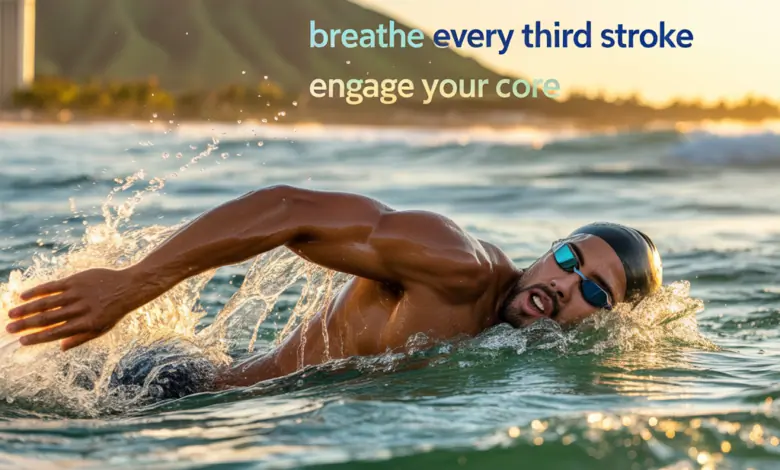
Have you ever stood on the sand at Waikiki, watching the line of whitecaps and wondered if you were ready to swim out there? Whether you’re training for a race or just trying to level up your ocean confidence, these Waikiki rough water swim secret tips will equip you with practical skills, workouts, and safety habits to turn chop and currents into challenges you can handle.
Why Waikiki rough water feels different (and what that means for your training)
Open-water conditions off Waikiki can shift quickly: trade winds, swell, and localized currents combine to create choppy, unpredictable water. Unlike a calm pool, you face waves, varying water temperature, and the need to sight and navigate. Understanding these variables helps you prioritize the right swim technique, gear, and conditioning so you don’t waste precious energy fighting factors you can anticipate.
Key environmental factors
- Swells and chop: You’ll need timing to duck under or pop over waves.
- Cross-currents and rips: Learn to read and use current to your advantage.
- Wind-driven surface conditions: Affects breathing and sighting frequency.
Essential gear and safety for rough ocean swims
Good preparation starts with the right kit and safety habits. These items are simple but game-changing for Waikiki rough water swims.
- Bright swim cap and safety swim buoy for visibility and flotation.
- Wetsuit or neoprene top (if you prefer warmth and added buoyancy).
- High-quality goggles with anti-fog and polarized lenses for glare.
- Buddy system: never swim alone; always have a spotter or craft nearby in rough conditions.
- Knowledge of local landmarks, tide timing, and emergency contacts.
Waikiki rough water swim secret tips
These are the practical, less obvious strategies experienced ocean swimmers use to stay efficient and safe in rough Waikiki waters.
Adjust your stroke for chop and waves
- Shorten your stroke slightly and increase turnover to maintain rhythm in chop.
- Use a higher elbows catch and strong pull phase to punch through moving water.
- Practice bilateral breathing to avoid constantly lifting into wind-blown spray.
Sighting and navigation tricks
- Sight every 4–6 strokes in rough conditions instead of every 8–10. Quick, efficient sighting prevents big breathing disruptions.
- Pick contrasting landmarks (palm trees, buildings) and use a combination of long-range and short-range sighting.
- If you get pushed off course by a wave or current, stop for two strokes, reorient, and resume — don’t keep fighting the wrong direction.
Wave entry and exit strategy
- When entering, swim parallel to shore through the surf zone until past the breaking point, then angle out.
- When returning, time your approach to ride a small swell in rather than hit breaking waves broadside.
Energy management and pacing
- Use perceived effort rather than pace alone. Rough water can double your energy cost; conserve during rougher stretches and capitalize on calmer ones.
- Drafting behind another swimmer in a race or group can save 10–30% energy — practice close-line drafting safely.
Training workouts and dryland work to prepare for Waikiki
To handle unpredictable sea conditions you need both swim-specific fitness and general strength. Mix these sessions into your weekly routine.
Open-water-specific swim set
Warm-up: 800m easy with 10 x 25m builds
Main set (repeat 3 times):
- 6 x 200m with 20s rest — focus on steady turnover and bilateral breathing
- 4 x 50m sighting sprints (sprint 25, sight and breathe on 1–2 strokes, recover 25)
- 200m easy
Cool-down: 400m easy
Dryland strength and mobility (2x/week)
- Core: Planks, side planks, and dynamic anti-rotation band chops (3 sets each).
- Shoulder health: External rotations, scapular pulls, and resistance-band rows.
- Legs & power: Squats, single-leg deadlifts, and plyometric step-ups to handle explosive entries/exits.
Interval and hypoxic training
Include short, intense intervals (e.g., 12 x 50m on 1:00) to build speed and tolerance to irregular breathing, plus a few hypoxic sets (breathe every 5–7 strokes) to adapt to choppy breathing patterns. Use hypoxic training cautiously — prioritize safety and do it with supervision.
Nutrition, recovery, and lifestyle tips for consistent ocean performance
How you fuel and recover matters as much as your swim sessions. Follow these healthy habits to stay strong for Waikiki rough water outings.
- Hydration: Start hydrated and sip electrolyte drink during long sessions, especially in warm Hawaiian conditions.
- Pre-swim snack: 200–300 calories with carbs and some protein 60–90 minutes before a hard session.
- Post-swim recovery: 20–30g protein plus carbs within 30–60 minutes to replenish glycogen and support muscle repair.
- Sleep and stress management: Consistent 7–9 hours of sleep and active recovery days improve performance and reduce injury risk.
For swim-specific strength progressions and structured plans, check out our workout routines page. For meal timing, recipes, and hydration strategies that support open-water training, see our nutrition guides. Want to build consistent habits for stress management and recovery? Visit our wellness tips section.
Real-world examples: How local swimmers approach Waikiki rough water
Many Honolulu-based swimmers treat every ocean outing as a learning session. A common approach is “two short, one long” — two focused speed or technique sessions in the week plus one long open-water swim on the weekend, practicing sighting, navigation, and wave timing. Another tip from experienced local ocean lifeguards: always check the surf report, ask seasoned swimmers about current patterns for that day, and pay attention to how the water feels on the first 50–100m.
Frequently Asked Questions
1. Is it safe to swim in Waikiki rough water if I’m not an advanced swimmer?
Safety depends on conditions and preparation. If you’re a beginner, start with calm days, swim with a buddy, use a swim buoy, and practice in shallow surf to learn wave timing. Advance gradually and never swim alone in rough conditions.
2. What’s the best way to practice sighting without losing speed?
Train efficient, quick head lifts every 4–6 strokes. Keep one eye in the water and lift only enough to pick a landmark. Practice sighting drills in the pool or in calm open water to make the motion reflexive.
3. How often should I train in rough conditions to get comfortable?
Consistency beats intensity. Aim for one open-water session per week focused on navigation and coping with chop, plus pool sessions for technique and intervals. Over months, incremental exposure builds confidence and skill.
Conclusion — Take these Waikiki rough water swim secret tips to the sand
Rough water at Waikiki doesn’t have to be intimidating. With the right gear, targeted training, breathing and sighting strategies, and smart energy management, you can transform anxious paddling into confident, controlled swimming. Start small, practice the drills and workouts above, and build one reliable ocean routine. Ready to get started? Pick a skill from this list and add it to your next session — then track your progress and keep coming back for more Waikiki rough water swim secret tips.
Call to action: If you enjoyed these tips, bookmark this page and try one of the swim sets this week. For structured programs and meal support, explore our workout routines and nutrition guides to create a plan that fits your goals.