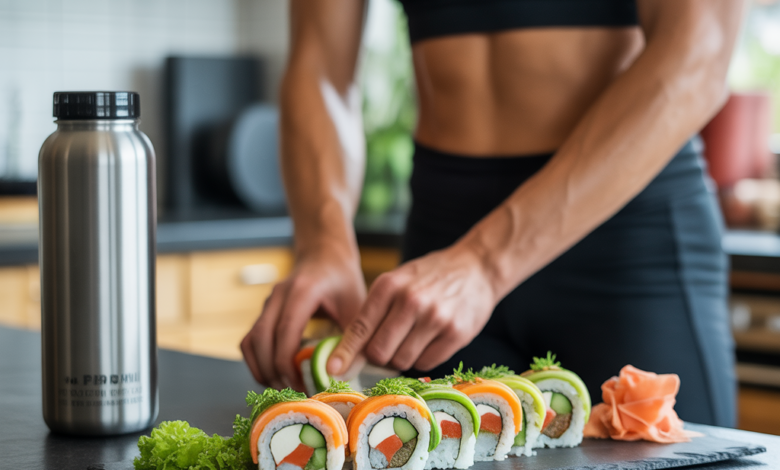
Ever find yourself craving sushi but worried about white rice, excess sodium, or not getting enough nutrients? Imagine a quick, portable meal that satisfies sushi cravings and supports your fitness goals. Enter veggie brown rice sushi — a simple swap that transforms your favorite rolls into a whole-grain, nutrient-dense staple for busy days, workouts, and mindful eating.
Why Veggie Brown Rice Sushi Works for Health & Fitness
Switching to brown rice sushi rolls keeps the familiar taste and texture of sushi while adding fiber, vitamins, and slow-release carbs. For anyone focused on weight management, endurance, or clean eating, this vegetarian sushi option provides steady energy without the sugar spike more commonly associated with refined grains.
Nutrition highlights
- Whole grain carbohydrates from brown rice for sustained energy
- Vegetables add fiber, micronutrients, and volume to keep you full
- Customizable protein options (tofu, edamame, tempeh, or a side of grilled fish)
- Lower glycemic impact supports blood sugar control and workout recovery
How to Make Veggie Brown Rice Sushi at Home (Easy Recipe)
Making sushi at home is easier than it looks. Here’s a streamlined method for busy people who want to eat well without the fuss.
Ingredients
- 2 cups cooked short-grain brown rice (slightly sticky)
- 2 tbsp rice vinegar + 1 tsp honey or maple syrup
- Nori sheets
- Fresh vegetables: cucumber, avocado, bell pepper, carrot, and mixed greens
- Protein: marinated tofu, edamame, or smoked salmon (optional)
- Soy sauce or tamari, wasabi, pickled ginger
Step-by-step
- Season the warm brown rice with rice vinegar and sweetener; let cool to room temperature.
- Lay a nori sheet on a bamboo mat, spread a thin layer of rice leaving a 1-inch top border.
- Arrange vegetable strips and protein across the middle, then roll tightly.
- Slice with a sharp, wet knife and serve with low-sodium soy sauce.
Workout-Friendly Pairings and Timing
Veggie brown rice sushi makes a great pre- or post-workout meal depending on portions and protein choices.
Pre-workout
Eat a modest portion (3–4 rolls) 60–90 minutes before moderate exercise. The brown rice provides slow-release carbs to sustain energy for runs, cycling, or steady-state cardio.
Post-workout
After resistance training or high-intensity interval training (HIIT), pair your rolls with a higher-protein side (grilled tempeh, edamame salad, or a protein shake) to aid muscle recovery. Aim for a 3:1 or 4:1 carb-to-protein ratio for endurance athletes, or closer to 2:1 for strength-focused sessions.
Fitness Tips & Workout Variations to Complement Your Sushi Meal
Here are practical fitness tips and workout variations that sync well with a whole-grain, plant-forward meal like veggie brown rice sushi.
Quick workouts for busy days
- 20-minute HIIT: bodyweight squats, push-ups, mountain climbers, and jumping jacks — great when you need to burn calories quickly.
- 30-minute strength circuit: dumbbell rows, goblet squats, Romanian deadlifts, and plank holds — pairs well with a protein-rich post-workout meal.
- Active recovery: 30–45 minutes of yoga or brisk walking to aid digestion after a heavier sushi meal.
Real-world examples
Anna, a busy teacher, preps 6 rolls on Sunday for grab-and-go lunches during the week. She pairs them with a boiled egg or a small tub of edamame for post-yoga recovery. Marcus, a weekend runner, eats two rolls 90 minutes before a long run and an extra protein-packed roll and a smoothie afterward to refuel.
Recipe Variations & Flavor Boosters
Keep things interesting with simple swaps and add-ins:
- High-protein veggie roll: brown rice + baked tofu + spinach + carrot
- Spicy kick: add sriracha-mayo or chili oil sparingly
- Sushi bowl: deconstructed rolls in a bowl for easier packing
- Low-sodium option: use reduced-sodium tamari and more citrus to boost flavor without salt
Frequently Asked Questions
1. Is brown rice sushi healthier than regular sushi?
Yes, brown rice contains more fiber, vitamins, and minerals than white rice, which helps with satiety and blood sugar control. Nutrient content depends on fillings and portion sizes, so choose vegetables and a lean protein for the healthiest option.
2. Can veggie brown rice sushi be made stickier like traditional sushi rice?
Short-grain brown rice is naturally stickier than long-grain varieties. Cooking it with slightly less water and allowing it to steam after cooking helps. A light seasoning of rice vinegar also improves texture and flavor.
3. What protein options work best for vegetarian sushi?
Firm tofu (marinated and baked), tempeh, and edamame are excellent plant-based proteins. For pescatarians, smoked salmon or canned tuna are convenient choices. Add a side of Greek yogurt-based dip or a scoop of cottage cheese if you need extra protein.
Conclusion: Try Veggie Brown Rice Sushi This Week
Veggie brown rice sushi is more than a trend — it’s a practical, nutrient-dense way to enjoy sushi while supporting fitness, recovery, and everyday health. Try making a batch this weekend, experiment with protein-packed fillings, and pair your rolls with one of the short workouts above to see how whole-grain sushi fits into your routine. Ready to level up your meals and workouts? Explore our workout routines and nutrition guides for meal-plan ideas and more healthy recipes. For daily wellness inspiration, check out our wellness tips.
Make one small swap today — opt for veggie brown rice sushi instead of a processed lunch — and notice the difference in energy, fullness, and fitness performance.