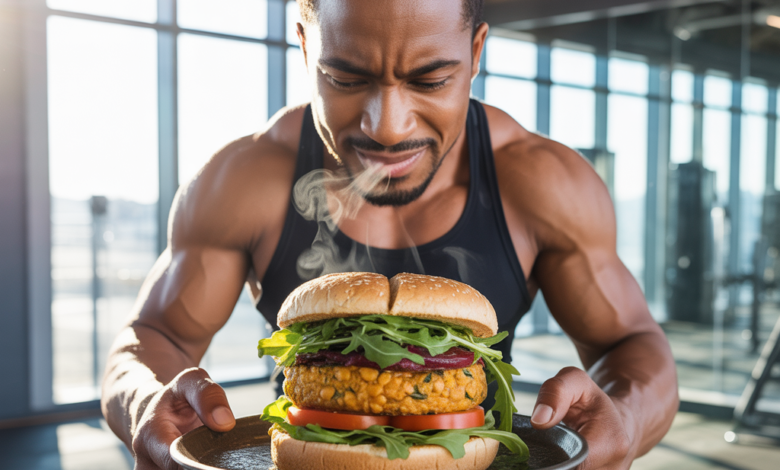
Ever come home after a tough workout craving something savory, satisfying, and quick to make — but not wanting to undo your progress with greasy fast food? If you’ve been asking, “What can I eat that’s both muscle-friendly and delicious?” then vegan chickpea burgers might be the game-changer you’re looking for.
Introduction: Why plant-based burgers belong in your fitness kitchen
Whether you’re training for a 5K, lifting heavy, or simply working to feel healthier, food should fuel performance and recovery. Vegan chickpea burgers deliver fiber, plant protein, and nutrients without saturated fats found in many animal-based patties. This article covers why they’re smart for active people, practical recipes and meal-prep tips, workout pairings, and lifestyle advice so you can enjoy the best vegan chickpea burger recipe any night of the week.
Why vegan chickpea burgers are a fitness-friendly choice
Chickpeas (garbanzo beans) are naturally high in protein and complex carbs, which aid muscle recovery and provide sustained energy. When combined with whole grains, seeds, or a vegan egg substitute, you get complete amino-acid support. They’re also versatile: make them gluten-free with oat or rice flour, or increase protein with pea protein or lentils.
Nutrition snapshot
- Protein: ~10–15 g per patty (varies by recipe)
- Fiber: 5–8 g per patty
- Healthy fats: from olive oil, tahini, or avocado
- Micronutrients: iron, magnesium, folate, and B-vitamins
Easy vegan chickpea burgers: quick recipe and meal-prep tips
Here’s a simple framework for an easy vegan chickpea burger you can adapt to your goals.
Basic ingredients
- 1 can (15 oz) chickpeas, drained and rinsed
- 1/2 cup rolled oats or cooked quinoa (for binding)
- 1 small onion, finely chopped
- 2 cloves garlic, minced
- 2 tbsp ground flaxseed + 6 tbsp water (flax egg) or 2 tbsp tahini
- 1 tsp cumin, 1 tsp smoked paprika, salt and pepper
- 2 tbsp olive oil for pan-frying (or bake for 20 mins per side)
Method
- Mash chickpeas in a bowl, leaving some texture.
- Mix in oats/quinoa, onion, garlic, flax egg, and spices.
- Form into patties and chill 10 minutes to firm up.
- Pan-fry 3–4 minutes per side or bake at 200°C/400°F until golden.
Meal-prep and storage
- Make a batch of 6–8 patties and refrigerate for 3–4 days.
- Freeze cooked patties between parchment paper for up to 3 months.
- Swap toppings: avocado for healthy fats, greens for micronutrients, and pickled veggies for flavor without extra calories.
How to pair vegan chickpea burgers with workouts
Timing and macros matter. Use these real-world examples based on common training sessions:
Pre-workout (60–90 minutes before)
Eat half a chickpea burger on whole-grain bread or a small bowl of quinoa and mashed patty for steady carbs and moderate protein. This gives slow-release energy for endurance workouts like runs or long HIIT sessions.
Post-workout (within 30–60 minutes)
After resistance training, aim for a higher-protein meal. Pair a chickpea burger with a side of roasted tempeh, a scoop of pea-protein hummus, or a quinoa salad to boost recovery and muscle protein synthesis.
Light activity or rest days
Enjoy a burger on a bed of greens with roasted sweet potato for balanced energy and fiber without overeating.
Workout variations and lifestyle tips to complement your meals
Food and fitness go hand-in-hand. Here are practical workouts and lifestyle changes that pair well with a plant-based diet:
Workout routines for strength and endurance
- Strength split (3 days/week): Compound lifts (squats, deadlifts, presses) + 2 accessory circuits — supports muscle retention on a plant-based diet.
- Endurance mix (2–3 days/week): 30–45 min steady-state cardio or tempo runs — fuel with chickpea burger carbs beforehand.
- HIIT (1–2 days/week): 20 min intervals (30s hard/90s easy) — prioritize carbs and a quick protein source after.
Lifestyle habits that boost results
- Hydrate consistently — legumes need extra water for digestion.
- Rotate protein sources: tofu, tempeh, lentils, and seitan (if not gluten-free) to cover amino acids.
- Sleep 7–9 hours to aid recovery — your body rebuilds muscle while you rest.
Flavor and variation ideas for adventurous eaters
Keep your meals exciting so you stick to healthy choices. Try:
- Mexican-style: add cumin, jalapeño, cilantro, serve with salsa and lime.
- Mediterranean: mix in olives, sun-dried tomatoes, oregano, top with tzatziki-style cashew sauce.
- Gluten-free chickpea patties: use almond flour or certified gluten-free oats.
Frequently Asked Questions
1. Are vegan chickpea burgers high in protein?
They offer moderate protein — typically 10–15 g per patty depending on added ingredients. Boost protein by mixing in quinoa, pea protein powder, or serving with tempeh or a bean-based side.
2. Can I make gluten-free chickpea burger recipes?
Yes. Replace regular oats with certified gluten-free oats, use almond or rice flour instead of wheat flour, and avoid breadcrumbs. Most chickpea burger recipes adapt easily.
3. How do I prevent vegan burgers from crumbling?
Use binding agents like flaxseed “eggs,” mashed sweet potato, cooked quinoa, or a small amount of chickpea flour. Chill patties before cooking and handle gently while flipping.
Conclusion: Make vegan chickpea burgers part of your healthy routine
Vegan chickpea burgers are a delicious, nutrient-dense option for anyone looking to fuel workouts, manage weight, or simply eat cleaner without sacrificing flavor. With simple swaps and smart pairings, they’re perfect for meal prep, gym recovery, and family dinners. Ready to try the best vegan chickpea burger recipe tonight? Make a batch this weekend, pair it with a balanced post-workout meal, and track how you feel during your next training session.
Want more guidance? Check out our workout routines to match meals to training, explore deeper protein strategies in our nutrition guides, and read lifestyle tips on our wellness tips page. If you made these burgers, share your variation and results — I’d love to hear which combos helped your workouts most.
Call to action: Try the recipe tonight, tag your post-workout meal with how it fueled your session, and subscribe for weekly plant-powered recipes and fitness tips.