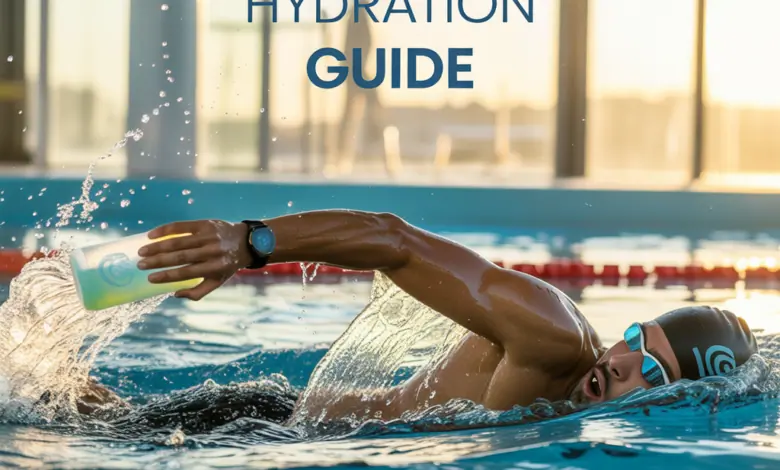
Ever finished a hard set and felt inexplicably lightheaded or unusually tired, even though you drank water before practice? Or wondered why your muscles cramp at the worst possible moment during a race? Whether you swim laps for fitness, train competitively, or enjoy open-water adventures, proper drinking strategies can mean the difference between a great session and a struggle. This ultimate hydration guide for swimmers breaks down what to drink, when to drink, and how to stay at peak performance in and out of the pool.
Why Hydration Matters for Swimmers
Swimming may feel cooler than land workouts, but you still sweat—and sometimes a lot. Sweat can be less noticeable in water, so it’s easy to underestimate fluid loss. Dehydration lowers blood volume, reduces heat regulation and perceived exertion, and impairs endurance, power, and recovery. On the flip side, overdrinking without electrolytes can cause hyponatremia. The goal: balanced fluids and electrolytes tailored to your training demands.
The Basics: Pre-, During-, and Post-Session Hydration
Pre-Workout Hydration
- 2–3 hours before: drink 400–600 ml (13–20 oz) of water or a lightly flavored drink to top up fluid stores.
- 20–30 minutes before: sip 150–300 ml (5–10 oz) to avoid starting already thirsty.
- Morning swimmers (fasted): have 300–500 ml (10–17 oz) on waking to rehydrate after sleep.
During Training
Short sessions (under 60 minutes): small sips of water every 15–20 minutes are usually enough.
Long sessions or high-intensity sets (over 60 minutes): use a carbohydrate–electrolyte sports drink (6–8% carbs) or add electrolyte tablets to water. Aim to sip 150–250 ml (5–8 oz) every 15–20 minutes depending on sweat rate and effort.
Post-Workout Recovery
- Weigh yourself before and after practice. For each kilogram lost, drink ~1.5 L of fluid (roughly 20–25 oz per pound lost) to fully rehydrate.
- Include sodium and potassium in recovery—salted snacks, a recovery drink, or foods like bananas and yogurt help restore electrolytes.
- Pair fluids with 20–30 g of protein and 0.5–1.0 g/kg of carbohydrates to speed muscle repair and glycogen replacement.
The Science of Sweat, Salt, and Electrolytes
Sweat contains water plus sodium, potassium, and chloride. Some swimmers are “salty sweaters” and lose more sodium—this increases the need for electrolyte replacement. Signs you need more electrolytes include persistent cramping, heavy salt residue on clothing or skin, and headaches.
How to Test Your Sweat Rate
- Weigh yourself nude immediately before practice.
- Do your normal workout without drinking or with a quantified amount consumed.
- Weigh yourself again nude after practice.
- Calculate fluid loss and adjust for any fluid you consumed during the session. This tells you how much you should aim to replace post-workout.
Practical Tips & Real-World Examples
Simple routines make consistent hydration realistic. Try these depending on your typical swim:
Example: 45-Minute Early-Morning Swim
- Wake: 300–400 ml water.
- Pre-pool (20 min): 200 ml spiked with a pinch of salt or an electrolyte tab if you know you sweat heavily.
- During: small sips from a bottle on the deck between sets—100–200 ml total.
- Post: 500–800 ml plus a recovery snack (banana + yogurt).
Example: 2–3 Hour Endurance Set / Open-Water Training
- Pre: 500–700 ml water + a light, salty carb snack 1–2 hours before.
- During: a 6–8% carbohydrate drink and 200–300 ml every 15–20 minutes; plan for a drink containing sodium (400–700 mg per liter) to prevent hyponatremia.
- Post: rehydrate according to weight loss and include carbs and protein for glycogen and muscle recovery.
Exercise Variations and Hydration Strategies
Hydration should match your training type:
- Sprints and short HIIT in-pool sets: focus on being hydrated pre-session; water is usually enough during.
- Distance/endurance swims: plan frequent, electrolyte-containing fluids and practice feeding during long swims.
- Cold water swims: you may sweat less but still lose fluids—use scheduled drinking to avoid under-hydration.
Daily Lifestyle Tips to Stay Hydrated Year-Round
- Carry a reusable bottle and sip consistently—aim for consistent daily intake, not just around workouts.
- Eat hydrating foods: watermelon, oranges, cucumbers, soups, and stews add fluid and electrolytes.
- Limit alcohol and excessive caffeine around training—they can contribute to dehydration.
- Track urine color (pale straw is ideal) and energy levels as quick hydration feedback.
- Adjust for climate and indoor pool heat—warmer pool decks and hot tubs increase fluid needs.
Common Pitfalls and How to Avoid Them
- Underestimating sweat in water: schedule drinks rather than guessing.
- Overdrinking plain water during ultra-long sessions: include sodium to avoid hyponatremia.
- Relying on thirst alone: thirst is a late signal—use routine sipping, especially for training sessions.
The ultimate hydration guide for swimmers: Quick Checklist
- Weigh before and after training to personalize fluid needs.
- Drink 400–600 ml 2–3 hours pre-workout; sip 150–300 ml 20–30 min pre-session.
- Use electrolytes for sessions >60 minutes or in hot/high-effort workouts.
- Replace ~1.5 L per kg lost after exercise and include carbs + protein for recovery.
- Monitor urine color and energy as daily checks.
Frequently Asked Questions
1. How much should swimmers drink during a 90-minute practice?
For practices around 90 minutes, aim to sip 150–250 ml every 15–20 minutes and include an electrolyte drink if you sweat heavily. Total fluid needs vary, so use weight change to fine-tune exact volumes.
2. Can I drink only water during long-distance swims?
Water alone may be insufficient for long-distance swims. For sessions over an hour, include carbohydrates and electrolytes (sports drinks, electrolyte tablets, or diluted sports gels) to maintain energy and sodium balance.
3. What’s the easiest way to tell if I’m dehydrated after practice?
Check urine color (dark yellow indicates dehydration), monitor dizziness, excessive fatigue, and persistent muscle cramps. Weighing yourself before and after is the most objective method to assess fluid loss.
Conclusion — Take Action Today
Whether you’re training for a triathlon, sharpening speed, or swimming laps for fitness, this ultimate hydration guide for swimmers gives you actionable steps to perform better and recover faster. Start by tracking your weight around practice for one week, tweak fluids based on the results, and build a simple sipping routine that fits your schedule. Want more guidance on improving your swimming workouts and fueling performance? Check out our workout routines and nutrition guides, and browse our wellness tips to build a routine that keeps you hydrated, healthy, and moving forward.
Ready to feel stronger during your next session? Try a 7-day hydration challenge: track pre/post weights, follow the sip schedule in this guide, and report how you feel. If you have medical conditions or are taking medications that affect fluid balance, consult a healthcare provider before making major changes.