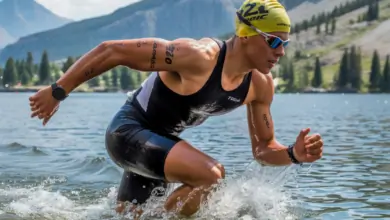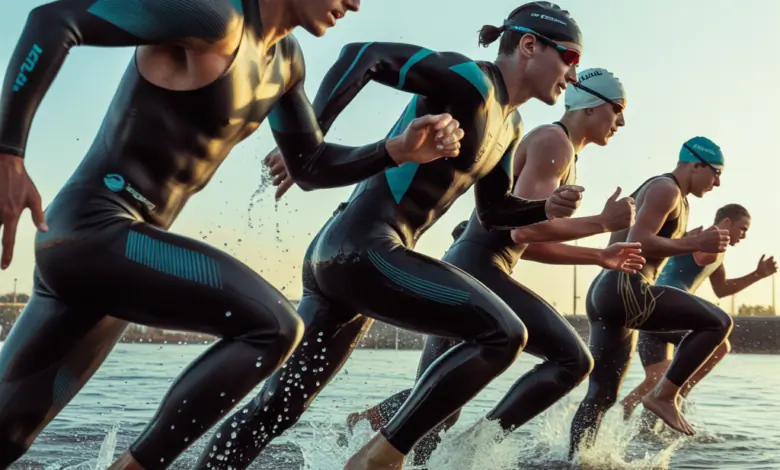
Ever stood at the edge of a cold lake, heart pounding, and wondered whether your wetsuit will make you glide like a pro or feel like you’re wearing a straightjacket? For many triathletes the right swim skin is the difference between a confident, fast ride out of the water and a panicked, wasted energy start. In this guide I’ll walk you through triathlon wetsuits top performers, how to pick one for your race distance, and practical training tips to get the most out of your investment.
Why the right wetsuit matters for triathletes
Wetsuits for triathlons aren’t just about warmth. They improve buoyancy, improve body position, reduce drag, and can conserve energy for the bike and run. Picking a top-performing triathlon wetsuit means balancing flexibility for a strong stroke, buoyancy to lift your hips, and fit for quick transitions. Whether you’re training for a sprint, Olympic, or half-Ironman distance, the wrong suit can slow you down or wear you out.
Top triathlon wetsuits top performers
Below are several highly regarded models across categories—speed, flexibility, and value. These are real-world favorites from age-group athletes to pros, selected for overall performance in open water racing.
1. Speed-Focused Option: Roka Maverick X
- Why it performs: Military-grade buoyancy panels and hydrophobic outer coating that repels water for minimal drag.
- Best for: Competitive triathletes and time-trial focused swimmers.
- Real-world note: Many sprint and Olympic racers report measurable time gains in 1.5K swims.
2. Flexibility & Stroke Freedom: HUUB Albacore
- Why it performs: Innovative forearm and shoulder panels allow a full catch and pull.
- Best for: Athletes who prioritize swim speed and have a strong stroke technique.
- Real-world note: Swimmers with long strokes frequently praise its natural feel during long open-water training sessions.
3. All-Rounder: Orca Alpha
- Why it performs: Balanced buoyancy across the legs and core with flexible shoulders for comfort.
- Best for: Age-group triathletes and beginners stepping up from recreational wetsuits.
- Real-world note: Low fuss, consistent fit—good for transitioning between distances.
4. Budget-Conscious Performer: Zone3 Aspire
- Why it performs: High-quality neoprene with performance panels at a more accessible price point.
- Best for: New triathletes or those who want a reliable race suit without premium pricing.
- Real-world note: Often recommended as the “first serious wetsuit” because of durability and comfort.
5. Open Water Specialist: BlueSeventy Reaction
- Why it performs: Tailored for optimal swim position with targeted buoyancy and flexible shoulders.
- Best for: Those prioritizing open water speed over pool training performance.
- Real-world note: Many long-course athletes choose it for marathon swims and half-Ironman events.
How to choose the right wetsuit for your needs
Fit and sizing
Fit is king. A triathlon wetsuit should be snug with no gaps at the neck, wrists, or ankles. But it should not restrict breathing or shoulder rotation. Try different models in a changing room or at a demo day; move your arms through stroke motions. If possible, test a top performer during an open water swim before race day.
Buoyancy vs. flexibility
High-buoyancy suits lift your hips and reduce drag but can feel stiffer. Flexible suits let you maintain a natural stroke but might require more core strength. Consider race distance and your swim technique: longer distances and weaker kicks benefit more from buoyancy, while powerful strokeers prioritize flexibility.
Durability and care
Rinse your wetsuit with fresh water after every use, hang it inside out to dry, and avoid prolonged sun exposure. Small repairs now will prolong the life of an expensive top-performing wetsuit.
Training tips and workout variations to leverage your wetsuit
Wearing a wetsuit changes your body position and feels in the water. Here are practical workouts and lifestyle tips to make the most of your triathlon wetsuit.
Open water simulation session
- Warm-up: 10 minutes easy swim in your suit.
- Race-pace sets: 4 x 400m at target race pace with 60–90s rest.
- Sighting practice: 6 x 100m focusing on maintaining rhythm while looking up every 6 strokes.
- Cool down: 10 minutes easy swimming.
Strength and mobility combo
To complement the wetsuit, add two weekly sessions of dryland training: resistance band pull-aparts, single-arm rows, and core stability work to maintain a strong body line. Mobility drills for shoulders and thoracic rotation help preserve stroke length when the suit slightly restricts movement.
Race-day transition drills
Practice removing your suit quickly during brick workouts (swim-bike combos). Time yourself and refine the peel-off sequence—ankles, hips, and shoulders—so your wetsuit becomes a transition advantage instead of a delay.
Healthy lifestyle advice for better swim performance
- Nutrition: Prioritize lean protein and complex carbohydrates in the 24 hours before a race to top up glycogen stores and aid recovery.
- Hydration: Start well-hydrated; cold water swims can blunt thirst, so pre-race hydration matters.
- Sleep: Aim for consistent 7–9 hours per night in the week leading up to your event—sleep boosts anaerobic and aerobic performance.
Frequently Asked Questions
Q1: How tight should a triathlon wetsuit fit?
A1: It should be snug with minimal folds or gaps but not so tight that you can’t take a deep breath or rotate your shoulders. A properly fitted suit feels like a second skin—secure but allowing full stroke motion.
Q2: Are expensive wetsuits worth it for amateur triathletes?
A2: Often yes—top-performing wetsuits provide better buoyancy, improved hydrodynamics, and longevity. If you race frequently or want measurable time improvements in open water, investing in a higher-end model can pay off. For occasional racers, a mid-range suit may suffice.
Q3: Can I train in my race wetsuit?
A3: Yes. Training in your race suit helps you adapt to its feel and improves transition practice. Reserve some sessions for pool work without neoprene to maintain stroke mechanics, then use open-water sessions for wetsuit-specific acclimation.
Conclusion: Choose smart, train smarter
Picking one of the triathlon wetsuits top performers is only part of the equation—fit, race distance, and how you train in it determine your race-day gains. Try suits when possible, prioritize comfort and buoyancy balance, and incorporate open-water drills, transition practice, and dryland strength to maximize your swim performance. Ready to take your swim to the next level? Start by exploring tailored workout routines, dialing in your fueling with our nutrition guides, and adopting recovery practices from our wellness tips to see faster, more confident swims.
Which suit are you testing this season? Share your experience and make your next open-water session count.