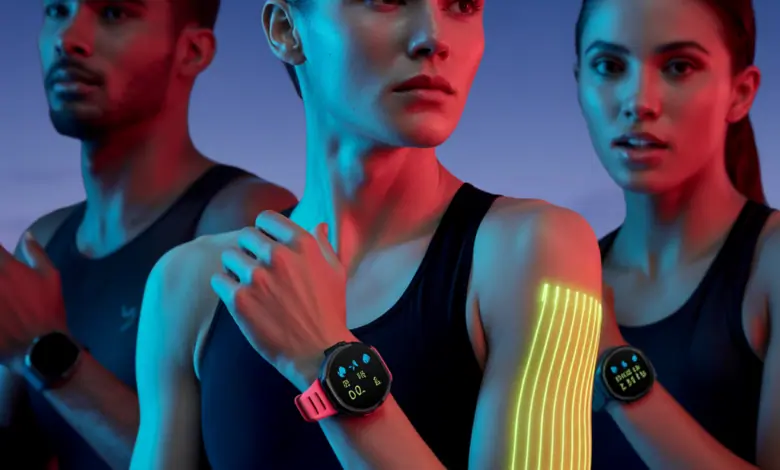
Ever stood on the pool deck or at the swim start wondering whether your watch will survive lap counts, open-water GPS quirks, and a long day on the bike and run? In this triathlon watch showdown, I’ll walk you through how to choose a multisport GPS that actually helps you train smarter — not just look good on race day.
Why a triathlon watch matters more than you think
Choosing a dedicated triathlon or multisport watch is about more than tracking distance. It’s about reliable swim metrics, transition-friendly buttons, accurate bike power and cadence data, and a run mode that reads your pace and heart rate under fatigue. The right device can help you nail pacing, manage effort with training load and VO2 max insights, and optimize recovery so you arrive at the start line rested and ready.
Triathlon Watch Showdown: How I compare the contenders
When I run a review or help coached athletes pick a device, I score watches across key categories. These are the factors that separate a decent fitness tracker from a true triathlon companion:
- GPS accuracy: Crucial for open-water swim and bike routes.
- Swim features: Stroke detection, pool lap counting, and open-water GPS swim tracking.
- Battery life: Enough for long training days or an Ironman simulation.
- Multisport modes & transitions: Seamless switching and quick button access.
- Sensor compatibility: Heart rate straps, power meters, cadence sensors.
- Training metrics: VO2 max estimates, training load, recovery time, and adaptive workouts.
Real-world example
I coached a beginner triathlete who struggled with pacing on the bike. After moving to a watch that paired smoothly with her bike power meter, she learned to hold steady power through long rides — and cut five minutes off her race bike split. That’s the practical difference a good watch can make.
Key features to prioritize (and why they matter)
1. Open-water GPS and swim metrics
Open-water swimming is where many watches show their weaknesses. Look for improved GPS algorithms that correct for swim strokes and sighting breaks, plus swim-specific data like stroke rate, distance per stroke, and drill modes for structured sessions.
2. Battery life for long training days
If you plan long bricks or Ironman-distance training, battery life is a priority. Consider estimated battery time in multisport mode and whether there’s a power-saving GPS mode. Practical tip: bring a small USB power bank to transitions for extra confidence.
3. Sensor connectivity and data export
Compatibility with ANT+ or Bluetooth power meters, speed/cadence sensors, and chest straps gives you more accurate heart rate and power data, which translates into better training decisions.
Training tips and workout variations to use with your watch
Once you pick a device, use these practical workouts and lifestyle habits to get the most from it:
- Brick session (bike + run): 60 minutes steady bike @ tempo, immediate 20-minute easy run focusing on cadence — train the bike-to-run transition.
- Interval swim set: 10 x 100m with 20 seconds rest; alternate pace 1 (race pace) and pace 2 (recovery) while watching stroke rate on the watch.
- Threshold bike intervals: 5 x 6 minutes at threshold power with 4-minute recovery — use power alerts on your watch to stay consistent.
- Progression run: 30–45 minutes starting easy, finishing 10 minutes at half-marathon effort — monitor pace and perceived exertion.
- Recovery day habit: 30–40 minute easy cross-train + mobility work; use your watch’s recovery recommendations to guide intensity.
Nutrition and sleep tips to complement training
Pair your watch metrics with a simple nutrition plan: carb-focused meals the night before long sessions, in-ride fueling with 30–60g carbs per hour for endurance rides, and electrolyte strategies for hot sessions. Track sleep trends with your watch — aim for consistent 7–9 hours and prioritize naps after heavy training blocks.
How to choose the best triathlon watch for your needs
Not all athletes need the same features. Ask yourself these questions:
- Are you training for sprint/olympic distances, or long-course triathlon?
- Do you value battery life above advanced metrics like running dynamics?
- Will you pair the watch with external sensors (power meters, heart rate straps)?
If you’re a beginner, prioritize ease-of-use, clear multisport modes, and reliable wrist heart rate. If you’re intermediate or advanced, look for advanced training metrics, sensor compatibility, and customizable data screens.
Practical tips for race day and daily training
- Practice with the watch in every key workout, including open-water swims, so you’re comfortable with transitions and button pushes.
- Use custom lap alerts and power/pace alarms to avoid going out too hard early in the race.
- Keep firmware updated and sync workouts to your training platform for long-term trend tracking.
Frequently Asked Questions
1. What is the best triathlon watch for beginners?
Beginners should look for a durable multisport GPS with straightforward modes, reliable GPS for open-water swims, and solid battery life. Ease of setup and intuitive data screens matter most when you’re starting out.
2. How important is GPS accuracy for open-water swims?
Very important — poor GPS can under- or over-estimate distance and mess with your pacing metrics. Choose a watch known for improved open-water algorithms and practice sighting techniques during swims to reduce GPS drift.
3. Do I need a heart rate strap with my triathlon watch?
Chest straps still provide the most reliable heart rate data during intense efforts and swimming. If accurate heart rate is central to your training (e.g., zone-based plans), pairing a strap is recommended.
Conclusion: Make your pick in this triathlon watch showdown
In the triathlon watch showdown, the right choice comes down to your race goals, training style, and the features you’ll actually use. Prioritize GPS accuracy, swim performance, sensor compatibility, and battery life. Practice with the device in key workouts and use the data to inform pacing, recovery, and nutrition decisions. Ready to train smarter? Explore our workout routines, read up on fueling in our nutrition guides, and adopt recovery strategies from our wellness tips to make the most of your new watch.
Which watch are you leaning toward? Share your experience in the comments or sign up for my newsletter for gear reviews, training plans, and weekly tips.