Have you ever stood on the start line imagining shaving minutes off your time and wondered if a better triathlon suit could actually make that happen? Picture the feel of water parting easier, the bike split feeling smoother, and the run still sharp—what if one piece of gear could help unlock a new personal best? Choosing the right triathlon suit can be a game-changer when combined with smart training and race-day preparation.
Why a triathlon suit for new personal bests matters
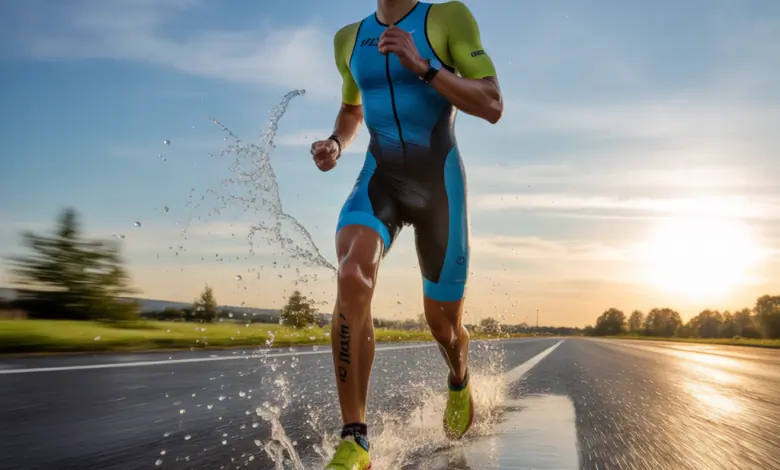
When you’re chasing a PB, marginal gains add up. A purpose-built tri-suit (triathlon suit) reduces drag in the swim, minimizes wind resistance on the bike, and offers comfort on the run. But it’s not just about the suit—fit, fabric, and how you use it in training and racing influence performance. Think of the suit as an aerodynamic and comfort-enhancing tool that lets your fitness shine.
Key race advantages
- Reduced swim and bike drag with performance fabrics and streamlined seams
- Compression support for muscle stability and quicker recovery between disciplines
- Minimal chafing and quick-dry panels for comfort on the run
How to choose the right triathlon suit for new personal bests
Not every tri-suit is created equal. Look for these essentials when hunting the best triathlon suit for racing to set a personal best.
Fit and sizing
A proper fit is non-negotiable. The suit should feel snug but not restrictive—no bunching, no pinching. Try movement tests: full-arm rotation, deep squat, and a simulated aero tuck to ensure freedom of motion. If you’re between sizes, consult manufacturer sizing guides and, when possible, try on suits at a local store.
Fabric and construction
Opt for lightweight, quick-dry fabrics with flatlock seams to reduce irritation. Compression panels in the legs and core improve circulation and reduce muscle vibration. For open-water swimmers, a separate wetsuit may still be necessary; however, many modern tri-suits have water-repellent treatments to speed water release during exits.
Chamois and padding
Short distance races often require minimal padding to avoid overheating, while Olympic and Ironman-distance athletes might prefer a slightly thicker chamois for saddle comfort. Choose a chamois designed specifically for triathlon (thin, fast-drying) rather than a pure cycling pad if you plan to run off the bike.
Training and workout variations to maximize your suit’s benefit
To make the most of your tri-suit for new personal bests, train in it.
Brick workouts
- Bike 40–60 minutes at race pace, then immediately run 15–30 minutes at a tempo pace. Practice feeling fresh off the bike while wearing your tri-suit.
- Vary intensity: add intervals to both bike and run segments to simulate race surges.
Open-water swim reps
- Do 6–10 x 400m efforts with 30–60s rest. Practice sighting and wetsuit removal if you race in a wetsuit, then slip into your tri-suit for transition practice.
Race-pace simulation
Every few weeks perform a mini-race: swim-bike-run at slightly reduced race intensity but full race transitions. This builds confidence and identifies suit-related comfort or chafing issues before race day.
Race day tips: how to use your triathlon suit to its full potential
Small race-day rituals amplify performance.
- Wear the suit during your warm-up to get comfortable with straps and zippers.
- Practice fast zipping/unzipping if your suit has a front or back zipper—time saved in transition matters.
- Apply glide or anti-chafe cream strategically (neck, underarms, inner thighs) during long races.
Transition efficiency
Layout your transition area to minimize movement. If your suit has pockets, use them for gels or a small fuel—test placement during training. Quick helmet and shoe changes practiced in the suit will shave precious seconds.
Nutrition, recovery, and lifestyle for PB gains
Gear helps, but training, fueling, and recovery drive measurable improvements.
Fueling strategies
Practice race nutrition in training. Short races may need a gel 10–15 minutes before the bike; longer distances require consistent carb intake (30–90g/hour depending on distance). Hydration and electrolyte balance are equally important—tailor intake to weather and sweat rate.
Sleep and recovery
Prioritize 7–9 hours of quality sleep. Use active recovery days and targeted mobility work to reduce injury risk. Compression from your tri-suit can help during post-workout cooldowns but isn’t a substitute for proper rest.
Strength and mobility
Integrate two strength sessions per week focused on core stability, single-leg strength, and hip mobility. Exercises like deadlifts, single-leg Romanian deadlifts, planks, and lunges translate directly to more powerful bike and run performance.
Real-world examples: small changes, big results
At a local sprint tri, a club teammate swapped from a loose-fitting multisport shorts and top to a well-fitted tri-suit. After a month of targeted bricks and transition drills in the suit, she cut more than three minutes off her time—mostly from a smoother bike split and faster transitions. This illustrates how the right suit combined with specific practice delivers measurable PB gains.
Frequently Asked Questions
Q1: Can a triathlon suit alone help me set a new personal best?
A suit won’t replace structured training, but it removes comfort and aerodynamic barriers. Paired with targeted swim-bike-run workouts and race-day strategy, a high-quality tri-suit contributes to faster overall times.
Q2: How tight should a tri-suit fit?
The suit should be snug for compression and aero benefits but should not restrict breathing or limb movement. If the suit causes numbness or limits range of motion, try a different size or cut. Always test in training before race day.
Q3: Is a tri-specific chamois necessary?
Yes—tri-specific chamois are thinner and designed to dry quickly for the run off the bike. For short-distance races you may prefer minimal padding; for long-distance events, choose a chamois that balances comfort and quick-dry performance.
Conclusion: Put on the suit and chase that PB
When your training is dialed in, the right triathlon suit for new personal bests becomes the finishing touch that translates fitness into race-day gains. Choose a suit with the right fit, fabric, and features; practice in it; refine your nutrition and transitions; and add strength and recovery into your routine. Ready to get started? Try incorporating suit-based brick sessions into your next training block and consult pairing tips on our workout routines and nutrition guides pages. For ongoing lifestyle support, explore our wellness tips.
Put on your tri-suit, hit the water, and chase that next personal best—one smart decision at a time.