Have you ever stood at the swim start thinking, “If only my kit could give me an edge today”? Whether you’re chasing an age-group podium or simply chasing a new time on your watch, the right triathlon suit can be the small-but-powerful change that helps you reach new personal bests. In this post I’ll explain how the right triathlon suit for new personal bests works, what to look for, and how to pair it with training and nutrition to shave minutes off race day.
Why the right triathlon suit matters
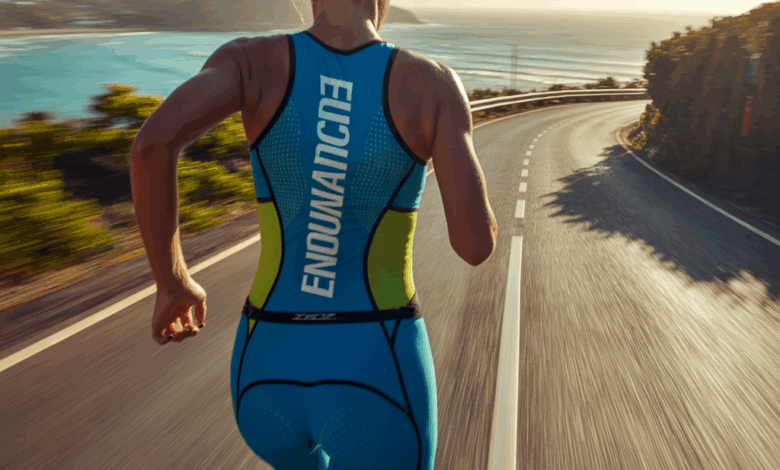
A triathlon suit isn’t just a piece of clothing — it’s performance equipment. A well-designed tri suit combines hydrodynamics, aerodynamics, comfort, and transition speed so you waste less energy and time during the swim, bike, and run. Choosing the correct triathlon apparel for race day reduces drag in the water, improves power transfer on the bike, and minimizes chafing on the run.
How a triathlon suit for new personal bests actually helps you improve
Think of it as marginal gains applied to triathlon: a faster swim exit, smoother bike position, and quicker transition add up. Here’s how:
- Swim: Low-profile seams and hydrophobic fabrics reduce water drag for a more efficient stroke.
- Bike: Compression panels and aero fabrics help stabilize muscles and streamline your silhouette against the wind.
- Run: Breathable, anti-chafe materials and minimal seams keep you comfortable in the later stages.
- Transitions: Single-piece suits or well-placed zippers speed up suit-on and suit-off maneuvers.
Choosing the best triathlon suit: features to look for
Fit and compression
Look for a snug, athletic fit — not skin-tight like a swim-suit, but firm enough to support major muscle groups. Compression aids blood flow and reduces muscle oscillation, which can delay fatigue and improve endurance during long races.
Fabric and aerodynamics
Aero fabrics on the bike sections and hydrophobic materials on the shoulders and chest make a measurable difference. Modern trisuits combine different fabrics across panels to balance water-shedding, wind resistance, and ventilation.
Chamois, padding, and comfort
Chamois thickness varies by race distance. Shorter events (sprint/Olympic) can use thinner pads to reduce bulk, while half-iron and Ironman athletes often prefer more padding for saddle comfort. Choose suits with breathable chamois and quick-dry linings.
Transition-friendly details
Look for useful features like back or front zippers, quick-release leg grippers, and pockets for gels. A well-placed zipper can speed exit times; pockets let you carry nutrition without extra accessories.
Training tips and suit-specific workouts
Gear alone won’t create PBs — targeted training will. Combine the right tri suit with smart sessions that mimic race demands.
Sample workouts
- Race Simulation Brick (Olympic distance): 1,500m swim steady → 40km bike with 6×3-minute race-pace intervals (3 min easy recovery) → 10km run at tempo pace. Practice transitions wearing your race suit to build speed and comfort.
- Speed Swim Session: Warm-up 800m, then 10x100m at race pace with 15–20s rest. Focus on sighting and breathing with suit shoulder panels to simulate race drag.
- Threshold Bike Workout: 20-minute warm-up, 3×15-minute sweet spot/threshold with 8-minute recovery. Practice aero position while wearing your trisuit to assess comfort and fit.
- Fast Finish Run: 10km where final 3km are faster than race pace to simulate run-off-bike fatigue and test chamois and leg range.
Variations by race distance
- Sprint: Emphasize speed work and transitions; light chamois or minimal padding.
- Olympic: Balance aerobic sessions with race-pace bricks; moderate padding.
- Half/Full Ironman: Prioritize endurance, nutrition, and chamois comfort; test long rides and runs in full kit.
Healthy lifestyle and recovery advice
PBs are produced by consistent training, sleep, and fuel. Some quick, actionable tips:
- Sleep 7–9 hours per night and include a nap after heavy sessions when possible.
- Follow a carbohydrate-focused pre-race meal 3–4 hours before start; practice fueling during long workouts.
- Hydrate with electrolyte-balanced fluids; don’t rely on water alone in hot races.
- Include strength work twice weekly (core, glutes, posterior chain) to improve power and injury resistance.
- Prioritize active recovery days with mobility, foam rolling, and light swims or easy spins.
Real-world examples that prove the concept
Case study: “Maya,” a competitive age-group athlete, dropped nearly eight minutes in her Olympic triathlon season after switching to an aero tri suit, adding tempo bike intervals twice weekly, and practicing race transitions. The suit reduced drag in the swim and improved aero comfort on the bike, while the workouts raised her sustainable power.
Case study: “James,” a long-course competitor, found that a triathlon suit with a thicker, comfortable chamois and breathable mesh panels improved his comfort during 4–6 hour training rides, allowing him to maintain a consistent pacing strategy and avoid late-race slowdowns.
Race day checklist: What to bring and do with your tri suit
- Pre-race: Inspect suit for stitching, zipper function, and chamois integrity.
- Warm-up: Do a short swim and bike warm-up wearing the suit to check mobility.
- Transitions: Practice quick zip/unzip routines and keep elastic leg grips dry for running exits.
- After the race: Rinse the suit and let it air-dry to preserve fabric coatings and fit.
Frequently Asked Questions
You can improve with training alone, but a triathlon-specific suit combines swim-friendly fabrics, aerodynamic panels, and transition speed features that make it easier to convert training into faster race times — especially when marginal gains matter.
For sprint events, choose a lightweight suit with minimal chamois to maximize mobility. For Ironman and half distances, prioritize comfort: a suit with a thicker, ergonomic chamois, breathable panels, and the option for easy ventilation over long hours.
Wear the suit for at least one full brick workout that replicates race intensity and duration. Test swim feel, bike aero comfort, and run freedom of movement. Also test pockets, zippers, and chamois during this session.
Conclusion: Take action — gear up and train smart
When you combine targeted training, smart recovery, and the right triathlon suit for new personal bests, you create a winning formula for improved results. Start by selecting a suit that matches your race distance, test it during real workouts, and sharpen race-specific sessions like bricks and threshold intervals. Ready to start a focused plan? Check out our workout routines, explore tailored fueling in our nutrition guides, and build healthy habits with our wellness tips. Lace up, suit up, and go chase that PB.