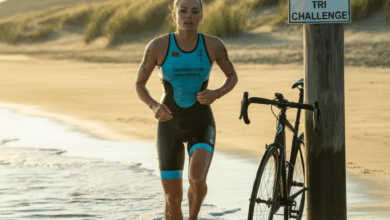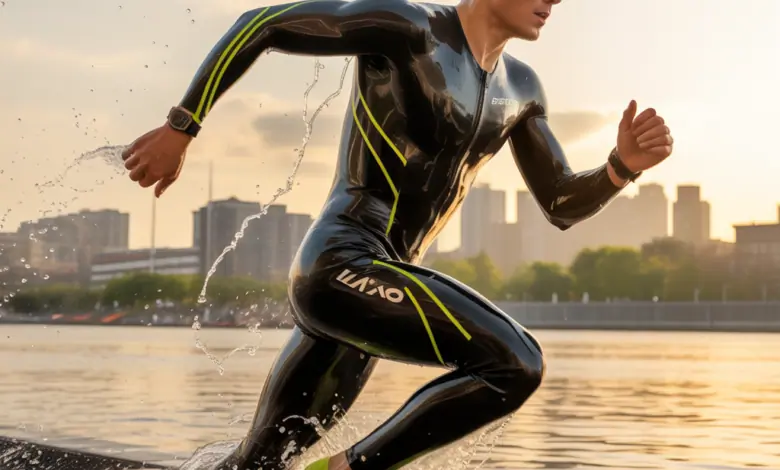
Ever stood at the water’s edge on race morning, teeth chattering and wondering if that extra layer would save your swim—or slow you down? Whether you’re a nervous first-timer or a seasoned competitor chasing a personal best, the right triathlon neoprene suit can make a huge difference in comfort, speed, and confidence. In this guide you’ll learn how to choose the best wetsuit for triathlon swimming, get practical training tips, and discover maintenance tricks that keep your suit race-ready.
Why a triathlon neoprene suit matters
Neoprene wetsuits for triathlon are more than just warmth. They add buoyancy to improve body position, reduce drag with hydrodynamic panels, and protect against chafing during long swims. For cold-water triathlons or open-water races, a wetsuit can be the difference between a strong, relaxed swim and an energy-sapping struggle. Modern neoprene suits are designed specifically for swimmers: flexible shoulder panels for a full stroke, tapered legs for quick removal in T1, and variable thickness for strategic buoyancy.
Benefits at a glance
- Improved buoyancy and body alignment for a more efficient kick and reduced drag.
- Thermal protection in cold water, reducing early fatigue and cramping risk.
- Streamlined design that can boost swim speed for many athletes.
- Durable material that protects skin from sun, jellyfish, and debris.
Key features to look for in a triathlon neoprene suit
When shopping for a wetsuit, think beyond brand names. Look for targeted design features that match your goals and race conditions.
Important features
- Neoprene thickness: Commonly 3/2mm or 4/3mm; thicker suits offer more buoyancy and warmth but can reduce shoulder flexibility.
- Panel construction: Oversized chest/torso panels for buoyancy, thin flexible shoulder panels for stroke freedom.
- Seams and zippers: Glued and blind-stitched seams reduce water entry; back or chest zippers affect how easily you can get in and out.
- Fit: Snug without restricting breathing; no bunching at hips or shoulders.
- Legal race rules: Check your event’s temperature rules—some races restrict wetsuit use below or above certain water temperatures.
Choosing the right neoprene suit for your level
Not every suit suits every athlete. Your experience level, body type, and typical race conditions should guide your choice.
Beginner vs. competitive options
- Entry-level neoprene triathlon suits — Affordable, forgiving fit, plenty of buoyancy. Great for first-time open-water swimmers and colder events.
- Performance suits — Lightweight, focused buoyancy, maximum shoulder flexibility. Ideal for competitive triathletes looking to shave seconds off their swim.
- Cold-water specific suits — Thicker panels and full-sleeve designs for long swims in chilly lakes or coastal conditions.
Real-world example: Sarah, a new triathlete, chose a 3/2mm entry-level suit for her first Olympic-distance race. The extra buoyancy helped maintain a steady body position and reduced energy use, allowing her to ride stronger in the bike leg.
Sizing and fit tips
- Try the suit on in a store if possible; it should feel tight but not painful.
- Check shoulder rotation—simulate a swim stroke to test flexibility.
- Look for minimal bunching at the lower back and legs; water pockets slow you down.
- If buying online, consult the manufacturer’s size chart and read user reviews from athletes with similar builds.
How to train in your neoprene suit: workouts and variations
Training in your triathlon neoprene suit before race day is essential. It helps you adjust to the fit, practice breathing, and learn how it impacts stroke and sighting.
Pool and open-water session ideas
- Interval swim (pool): 10 min warm-up; 8 x 200m @ race pace with 30–45s rest; 200m cool-down. Wear the suit on two sets to adapt to shoulder feel.
- Sighting and navigation (open water): 6 x 300m continuous with focus on lifting head every 6–8 strokes to sight buoys. Practice bilateral breathing while wearing the suit.
- Mass-start simulation: Group swim with practice starts and contact. Wear the suit to get used to jostling, waves, and breath control.
- Wetsuit-specific brick: Short swim in suit, quick transition to bike, then a short run—practice peeling and T1 speed.
Tip: Practice removing your neoprene suit quickly—pulling down from the waist while running into T1 is a skill that saves precious seconds on race day.
Care, maintenance, and longevity of your neoprene suit
Proper care extends a wetsuit’s life and keeps it performing well season after season.
- Rinse thoroughly with fresh water after each use to remove salt, chlorine, and sand.
- Turn the suit inside out to dry in shade; direct sunlight degrades neoprene.
- Store flat or on a wide hanger to avoid creases; don’t fold tightly.
- Use a specific neoprene-safe lubricant for zippers and avoid oil-based sunscreens near the suit.
- Repair small tears immediately with neoprene glue to prevent spread.
Triathlon neoprene suit: Frequently Asked Questions
Do I need a wetsuit for a triathlon?
Not always. Wetsuit rules depend on water temperature and race regulations. Even if not required, many athletes choose a triathlon wetsuit for added buoyancy and warmth, especially in colder lakes or ocean swims.
How tight should a triathlon neoprene suit be?
The suit should be snug with no large wrinkles or loose panels. It should allow full shoulder rotation and unimpeded breathing. A slightly tighter fit is normal—the neoprene stretches when wet and forms a closer seal.
Can I train in a triathlon wetsuit in the pool?
Yes. Pool sessions help you adapt to the feel of the suit and test shoulder mobility. Just be mindful of chlorine exposure—rinse the suit well after pool workouts to protect the neoprene.
Conclusion — Make your next swim stronger with the right triathlon neoprene suit
Choosing and training in the right triathlon neoprene suit can boost confidence, improve swim efficiency, and help you perform better across all three legs of a triathlon. Start by picking a suit that matches your experience and typical race conditions, practice open-water scenarios and quick transitions, and maintain your suit properly to extend its life. Ready to build a training plan that complements your wetsuit work? Check out our workout routines and explore nutrition guides to fuel your race day performance. For everyday balance, don’t miss our wellness tips.
Call to action: Try one focused swim session this week in your suit—record how it affects your stroke and breathing, then tweak your training plan. Share your results and ask questions to fine-tune your gear and race strategy.