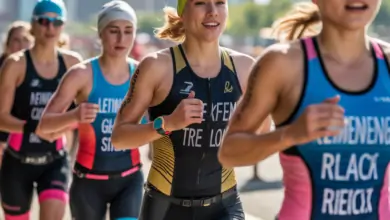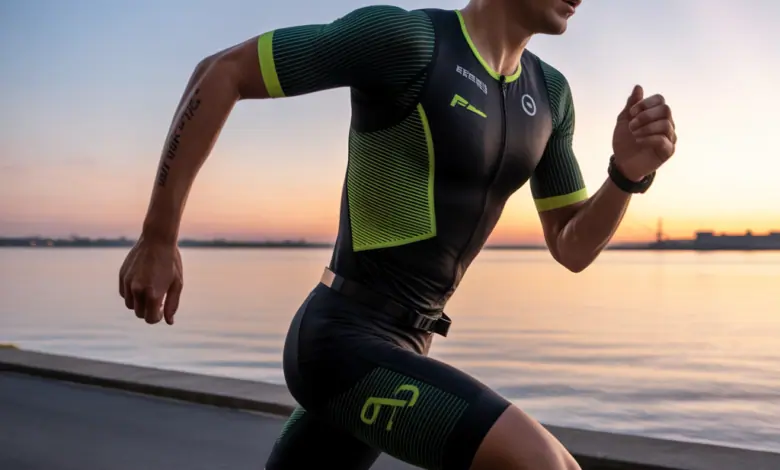
Ever stood at the start line wondering if your kit will help—or hold you back? Whether you’re nervously stuffing last-minute gels into pockets or fretting over chafing during the run, the right triathlon clothing for your next race can make the difference between a day you remember and a day you want to forget.
Why triathlon clothing matters: comfort, performance, and transitions
Triathlon clothing isn’t just about looking sharp. It’s engineered for swim, bike, and run performance while making transitions quicker and more comfortable. The right fabrics wick moisture, reduce drag in the water, and prevent hotspots and chafing on the bike and run. For many athletes—especially newbies—investing time to choose proper triathlon apparel pays off in seconds saved and energy preserved on race day.
How to choose triathlon clothing for your next race
Choosing triathlon clothing comes down to event distance, climate, and personal comfort. Here are things to consider:
Tri suits vs. separates
- Tri suit (one-piece): Great for streamlined transitions and fewer seams. Ideal for sprint and Olympic distances.
- Two-piece sets: Tops and shorts combined allow more bathroom comfort and layer flexibility, preferred by many for longer distances.
Wetsuit vs. swimskin
Open-water swims require different gear based on temperature and rules. Wetsuits add buoyancy and warmth in cold water, while swimskins and sleeved trisuits can be faster in warmer conditions. Practice swimming in any gear you plan to race in—nothing beats familiarity.
Fabric, fit, and features
- Look for quick-drying, breathable, and chafe-resistant fabrics.
- A proper fit should be snug but not restrictive—especially across the shoulders and crotch area where the chamois sits.
- Features to weigh: pockets, full/short zippers for ventilation, silicone leg grippers, and UV protection.
Race-day clothing checklist
- Tri suit or top + shorts
- Wetsuit (if required)
- Triathlon-specific socks or none at all
- Cycling shoes or running shoes (and elastic laces for fast transitions)
- Helmet, sunglasses, race belt, and body glide
- Spare layers for waiting area (depending on weather)
Practical training and workout tips to test your kit
Never race in brand-new gear. Use these practical workouts and habits to test triathlon clothing before race day:
Brick workouts
Do multiple bike-to-run brick sessions in your race kit. Short bricks (30–45 min ride + 15–20 min run) help identify hotspots, saddle discomfort, or zipper issues.
Open-water sessions
Swim in the actual wetsuit or trisuit you’ll race in. Practice sighting, rolling turns, and breathing on both sides so you know how the fabric feels and moves in waves.
Long ride and long run simulations
Wear your clothing for longer sessions to check padding, chamois comfort, and ventilation. If you’re preparing for a half or full ironman, include back-to-back long sessions to simulate cumulative fatigue.
Climate-specific clothing strategies
Hot weather tips
- Choose light, breathable fabrics with ventilated panels.
- Opt for sleeveless tri suits or lighter shorts and a mesh top.
- Practice hydration strategies and pre-wet your kit to help evaporative cooling.
Cold weather tips
- Layer with a lightweight, windproof jacket you can discard at T1 if allowed.
- Consider neoprene sleeves or a thicker trisuit for shoulder warmth in cold water.
- Keep warm socks and a hat for the run start if there’s a long wait.
Real-world examples
Case 1: Sarah, a first-time sprint triathlete, chose a two-piece set for bathroom ease and elastic lace-up trainers. She practiced two brick workouts and used anti-chafe balm; on race day she flipped smoothly through transitions and finished smiling.
Case 2: Marcus, an experienced half-ironman competitor, switched to a race-specific tri suit with a thin chamois to minimize saddle friction over 56 miles. He used short zippers to regulate body temp on climbs and shaved minutes by practicing quick helmet-on techniques.
Nutrition, recovery, and lifestyle tips to complement your kit
Clothing is only one part of performance. Combine it with smart fueling, sleep, and recovery to maximize benefits:
- Practice the exact nutrition you’ll use on race day—gels, bars, and electrolyte mixes—during your longest training sessions. See more in our nutrition guides.
- Prioritize 7–9 hours of sleep in the week leading up to your race to optimize recovery and focus.
- Incorporate mobility work and foam rolling into your routine to reduce muscle tightness that can interact with fit issues from tight clothing. Check our wellness tips for routines.
- Plan training cycles that include interval bike work, tempo runs, and open-water swims—the well-rounded approach keeps you confident in any kit. Browse sample workout routines to get started.
Transition hacks: speed up with smart clothing choices
- Use elastic laces on run shoes for fast shoe-on/off.
- Pre-apply body glide to common chafe areas right before leaving T1/T2.
- Practice quick-zip techniques—use a single pull and tuck to avoid fumbling with a zipper during transitions.
Frequently Asked Questions
What should I wear for my first triathlon?
For a first sprint or Olympic triathlon, a two-piece tri kit or a beginner tri suit works well. Prioritize comfort, a chafe-free fit, and practice everything in training. Bring spare items in transition if weather changes.
Can I swim in my tri suit during the race?
Yes—tri suits are designed for swimming, biking, and running. However, if the water is cold or race rules allow, a wetsuit may be faster and more buoyant. Always check the event rules beforehand.
How do I prevent chafing from triathlon clothing?
Use seamless or flatlock-stitched garments, apply anti-chafe balm to high-friction areas, and ensure proper fit—too-tight or too-loose can both cause problems. Test everything in long training sessions to catch issues early.
Conclusion: Gear up smart and race with confidence
Choosing the right triathlon clothing for your next race means thinking about distance, climate, and your personal comfort. Test your kit in training, practice transitions, and pair smart clothing choices with solid nutrition and recovery habits. When you combine the right gear with consistent preparation, you’ll shave time, reduce stress, and enjoy the race more.
Ready to dial in your race-day outfit and training plan? Start by testing one new piece of triathlon apparel during a brick workout this week, and explore our workout routines and nutrition guides to round out your preparation. Lace up, suit up, and go crush your next tri!