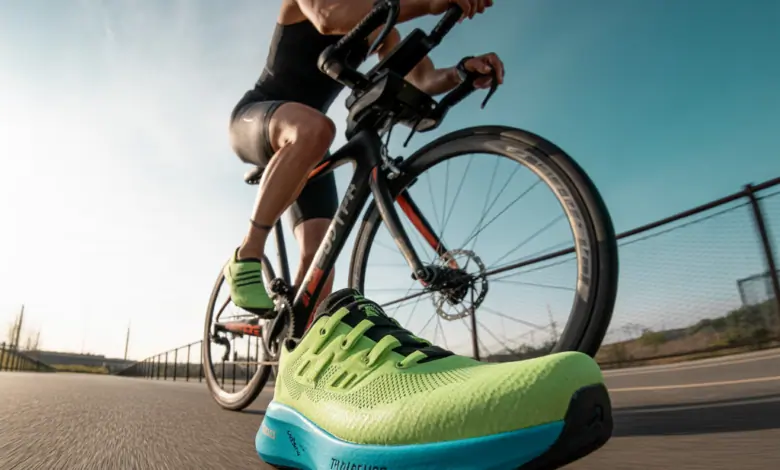
Ever clipped into the pedals at mile 10 only to wonder if your shoes are secretly sabotaging your race? If hot spots, numb toes, or stiff soles ruin a training ride or scramble a transition, you’re not alone. Choosing the right triathlon bike shoes for best comfort can transform your ride—from painful power loss to effortless speed.
As a health and fitness blogger who’s tested shoes in training and race-day heat, I’ll walk you through how to pick comfortable triathlon cycling shoes, practical tips to avoid foot pain, and simple workouts that help your feet perform better under load.
How to Choose Triathlon Bike Shoes for Best Comfort
Comfort is subjective, but these objective criteria make it easier to find the best comfortable triathlon shoes for your feet and race style.
1. Fit & Sizing: Your Foundation
- Measure feet in the afternoon (they swell during the day) and try on shoes with the socks you’ll race in—many triathletes go sockless, so test both.
- Look for a snug heel with a roomy toe box. Too-tight toes cause hot spots; too-loose heels cause friction blisters.
- Consider wide-fit triathlon shoe models if you have broader feet; many brands offer multiple widths.
2. Closure Systems: Velcro vs BOA vs Ratchet
Velcro closures are fast in transitions and easy to adjust while running; BOA dials offer micro-adjustability and even pressure distribution. If you value speed through T1, prioritize a system you can manipulate quickly and securely.
3. Sole Stiffness & Material
Carbon or composite soles give maximum power transfer but can feel harsh on long rides. If comfort is a priority, a slightly more forgiving carbon composite or a well-cushioned insole makes a big difference. Consider a stiff sole for sprint races and a moderate flex for longer distances.
4. Ventilation & Sockless Use
Breathable mesh uppers and drain ports help when you run into water or race sockless. Seek shoes marketed as breathable or designed for triathlon transitions to reduce chafing and fungal risk.
5. Cleat Position & Compatibility
Correct cleat placement affects biomechanics and comfort. Move cleats slightly back if you experience forefoot pain, and ensure compatibility with your pedals (SPD, Look, or Shimano road systems).
6. Walking & Transition Features
Triathlon shoes should balance rigidity with walkability. Look for textured soles or rubber heel pads that improve traction when running out of transition. Shoes labeled “transition-friendly” often include quick-lace or slip-on designs.
Key Features That Make the Most Comfortable Triathlon Shoes
- Ergonomic footbeds with arch support to reduce plantar pain
- Anti-slip heel cups to prevent lifting and blisters
- Durable, quick-drying materials for multi-race use
- Low stack height for better power transfer and stability
- Lightweight construction to reduce fatigue during long races
Practical Tips, Workout Variations, and Real-World Examples
Pre-Ride Prep: Break in New Shoes
Never race in brand-new triathlon cycling shoes. Break them in during tempo rides and brick workouts. Gradually increase ride duration and include short efforts to test pressure points.
Workout Variations to Test Comfort
- Short Brick (Sprint focus): 20–30 minute ride at race pace, immediately followed by a 5–10 minute run in your tri shoes to test walking and running comfort.
- Long Ride Test: 2–3 hour endurance ride with injections of tempo power. Stop every 30–45 minutes and check feet for hot spots or numbness.
- High-Cadence Drills: 6 x 3 minutes at 100+ RPM to see if shoe fit causes instability or heel lift at high spin rates.
Real-World Example
Case in point: Emma, a club triathlete training for her first half-Ironman, switched from a narrow road shoe to a tri-specific model with a wider toe box and BOA closure. Her cleats were moved 4 mm back after a bike fitter’s recommendation. Result: less forefoot pain on long rides and faster transitions thanks to a quick-slide heel and velcro strap over the toe box.
Healthy Lifestyle Advice for Comfortable Feet
- Strengthen ankles and intrinsic foot muscles with toe curls, towel scrunches, and single-leg balance drills to improve pedal stability.
- Use anti-chafing balm during hot races and change socks immediately after long, sweaty training sessions to prevent blisters and fungal issues.
- Prioritize recovery: ice baths, proper sleep, and foam rolling reduce inflammation that can make shoes feel tighter.
- Nutrition matters—stay hydrated and maintain electrolytes to avoid swelling that worsens shoe fit.
Maintenance Tips to Preserve Comfort
- Rotate two pairs of shoes to allow padding and uppers to recover between tough workouts.
- Replace insoles annually or when they compress; custom orthotics can correct biomechanical issues.
- Dry shoes properly after wet races—stuff with newspaper and air dry to avoid material breakdown and odor.
Frequently Asked Questions
1. Are triathlon shoes different from regular cycling shoes?
Yes. Triathlon shoes are designed for quick transitions, often featuring one-piece uppers, easier entry, and better walkability than standard road cycling shoes. They balance stiffness for power with comfort for running out of transitions.
2. Should I wear socks with triathlon bike shoes?
Many triathletes go sockless to save time and reduce bulk, but socks can prevent blisters during long events. If you race sockless, choose shoes with smooth linings and test them thoroughly in training.
3. How do I know when to replace my triathlon shoes?
Replace shoes when the sole shows excessive wear, the insole becomes flat and unsupportive, or you develop recurring hotspots or pain that didn’t exist before. A general rule: replace every 1–2 years depending on mileage and care.
Conclusion — Take Action: Find Your Most Comfortable Pair
Choosing triathlon bike shoes for best comfort is an investment in performance and pain-free training. Start by prioritizing fit, testing closure systems, and using real-world workouts to expose problem areas. If you’re serious about shaving seconds in transition and miles without discomfort, schedule a shoe test day or a professional bike fitting. Your feet will thank you—and your splits will improve.
Ready to put comfort first? Try a short brick this week with a new pair, track how your feet feel, and refine cleat position as needed. For more tools to boost your training, check our workout routines, explore fueling tips in our nutrition guides, and read recovery strategies on our wellness tips page.
Happy pedaling—find the right fit, and race with comfort.