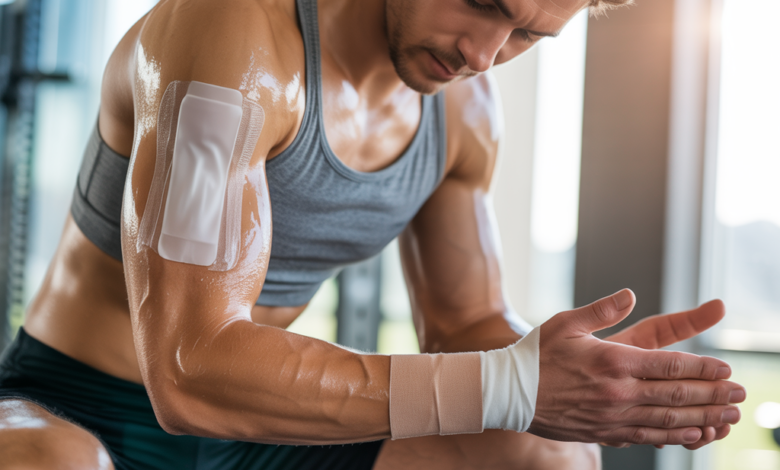
Ever grabbed a hot pan, felt that sudden sting, and wondered whether your kitchen mishap will ruin your week of workouts? Or have you come away from a summer run with a sunburn that makes push-ups a pain? Knowing the right treatments for minor burns can speed healing, reduce scarring, and help you stay active without risking infection. This guide walks you through practical first aid, safe at-home remedies, injury-aware workout tips, and when to see a doctor.
Understanding Minor Burns: Types and Immediate Concerns
Not all burns are created equal. “Minor burns” usually mean first-degree (superficial) or small second-degree burns that affect the top layers of the skin. These are painful and can blister, but they don’t destroy deep tissue or threaten major functions.
Common causes
- Kitchen scalds from hot oil or boiling water
- Contact burns from hot surfaces like kettlebells, irons, or car handles
- Sunburn from prolonged outdoor exercise
- Friction burns from ropes, mats, or repeated rubbing
When a burn is more than minor
- Burns larger than 3 inches (7 cm) or on the face, hands, feet, joints, or genitals
- Deep burns that look charred, white, or leathery
- Signs of infection: increased redness, pus, fever, or spreading warmth
Immediate treatments for minor burns
Prompt, sensible first aid makes a huge difference. Follow these simple steps as the primary treatments for minor burns to reduce pain and promote healing.
- Cool the burn: Run cool (not icy) water over the area for 10–20 minutes. This limits tissue damage and relieves pain. If running water isn’t available, use a cool compress.
- Remove constricting items: Take off rings, bracelets, or tight clothing near the burned area before swelling begins.
- Clean gently: Wash with mild soap and water to remove debris. Pat dry with a clean towel.
- Protect the wound: Apply a thin layer of petroleum jelly or an antibiotic ointment and cover with a sterile, non-stick bandage to keep out bacteria.
- Manage pain: Over-the-counter pain relievers like ibuprofen or acetaminophen can help manage discomfort and inflammation.
- Avoid common mistakes: Don’t apply butter, oils, toothpaste, or raw egg—these trap heat and increase infection risk. Don’t break blisters; intact blisters protect underlying skin.
Natural options that can help
- Aloe vera gel: Proven soothing and anti-inflammatory properties—use pure gel without additives.
- Medical-grade honey: Has antibacterial and healing benefits for small wounds (use cautiously and in small amounts).
At-home healing and fitness-friendly tips
Minor burns can be inconvenient for anyone following a fitness routine. Here are actionable strategies to keep training safely while your skin repairs.
Modify workouts without stopping progress
- Low-impact alternatives: Swap upper-body-heavy sessions for lower-body or core work—squats, lunges, or stationary bike rides.
- Isometric exercises: Maintain strength with isometric holds that avoid friction on the burn (e.g., wall sits instead of push-ups).
- Shorten duration, lower intensity: Reduce sweat and heat buildup that can irritate a burn—do shorter sessions at moderate effort.
- Water workouts with care: Swimming may introduce bacteria to a fresh burn—wait until the skin is closed or use a fully waterproof dressing if cleared by a clinician.
Practical recovery tips
- Keep the injured area clean and moisturized to speed epithelialization.
- Wear loose, breathable clothing to avoid friction; consider moisture-wicking fabrics.
- For sunburns, stay out of direct sun and use broad-spectrum sunscreen on healed skin to prevent hyperpigmentation.
- Hydrate and eat protein-rich meals to supply amino acids needed for tissue repair—think lean meat, Greek yogurt, legumes, and eggs.
Real-world example: Jenn, a CrossFit coach, scalded her forearm while prepping dinner. She cooled the burn, covered it with a non-stick dressing, and shifted to biking and single-leg work for a week. Her workouts stayed consistent without worsening the injury.
Long-term care: scarring, moisturization, and when to see a clinician
Most minor burns heal well with basic care, but a few extra steps can reduce scarring and restore skin health.
- Keep healing skin protected from sun: New skin is delicate—use sun protection to avoid darkening scars.
- Moisturize regularly: Use fragrance-free creams to keep the area supple and reduce itch.
- Silicone sheets or gels: For larger superficial scars, silicone products can flatten and soften scar tissue over weeks to months.
- Physical therapy for joint-area burns: If a burn crosses a joint, gentle range-of-motion exercises can prevent stiffness once pain allows.
Seek medical help if:
- The burn shows signs of infection
- Pain worsens or doesn’t improve after a few days
- There’s concern about functional loss or deep tissue involvement
Frequently Asked Questions
1. How soon should I cool a minor burn?
Immediately. Cooling with cool (not icy) running water for 10–20 minutes is one of the most effective first steps to limit damage and ease pain. Do this before applying ointment or a bandage.
2. Can I exercise with a minor burn?
Yes, with modifications. Avoid movements that rub or stretch the injured area, reduce intensity to limit sweat and heat, and keep the wound covered if necessary. Opt for low-impact or lower-body workouts if the burn is on an upper limb.
3. When should I go to the emergency room for a burn?
Seek urgent care for burns that are large (bigger than the palm of your hand), deep, on sensitive areas (face, hands, feet, groin), or show signs of infection. Also go to the ER after major electrical or chemical burns.
Conclusion: Smart care for faster recovery from minor burns
Knowing effective treatments for minor burns helps you limit pain, reduce infection risk, and get back to the workouts and activities you love. Cool the area, keep it clean, protect and moisturize, and choose exercise variations that protect healing skin. If you’re looking for lower-impact training ideas while recovering, check out our workout routines or read more about meal choices that support tissue repair in our nutrition guides. For broader self-care strategies, explore our wellness tips.
If you found this helpful, bookmark it and share your recovery experience in the comments—what worked for you? Want a tailored short-term workout plan while you heal? Send a note and I’ll help you adapt your routine safely.