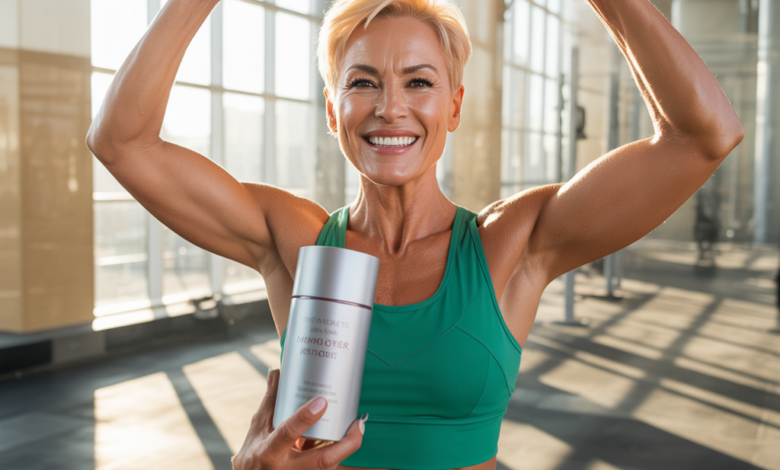
Have you ever applied cream in the morning and still felt tight by noon, or wondered why your foundation settles into fine lines more than it used to? If you’re in your 50s (or approaching them), that frustrating moment is all too familiar. The good news: the right moisturizers plus a few lifestyle tweaks can restore bounce, comfort, and glow to mature skin.
Why Skin Needs Different Care After 50
As we age, skin goes through predictable changes: oil production slows, the skin barrier becomes more fragile, collagen and elastin decline, and moisture evaporates faster. These shifts make hydration and barrier repair the priority. Choosing the best hydrating cream for mature skin—rather than heavier makeup tactics—will give you a healthier canvas and reduce the need for heavy foundation.
How to Choose the Top Moisturizers After 50
Not all creams are created equal. When shopping for the top moisturizers after 50, look for a balance of humectants (to attract water), emollients (to smooth), and occlusives (to seal moisture). Consider skin sensitivity, dryness level, and lifestyle (daytime sun exposure vs. dry indoor heat).
Key things to consider
- Texture: Rich creams for very dry skin; lightweight lotions or gels for combination skin.
- SPF: Use a daytime moisturizer with broad‑spectrum SPF 30 or layer sunscreen on top.
- Fragrance-free options: Less irritation for thinning, reactive skin.
- pH and formulation: Gentle, non-stripping cleansers paired with moisturizers work best.
Top Ingredients to Look For
Ingredients matter more than marketing. Here are the hero actives you’ll see in the best moisturizers for mature skin:
- Hyaluronic acid: A super hydrating humectant that draws moisture into skin cells.
- Ceramides: Lipids that restore the skin barrier and prevent water loss.
- Peptides: Support collagen and skin firmness over time.
- Niacinamide: Improves texture, reduces redness, and enhances barrier function.
- Glycerin and squalane: Nourishing hydrators and emollients for supple skin.
- Retinol (use at night): For cell turnover—start low and pair with a rich night cream.
- Antioxidants (vitamin C, vitamin E): Defend against environmental stressors; use in morning routines.
Day vs. Night: Moisturizer Strategies
Design a two-part plan: a protective, lightweight barrier in the morning and a restorative, richer treatment at night.
Morning routine
- Gentle cleanser → antioxidant serum (optional) → moisturizer with SPF or moisturizer + sunscreen.
- Choose a formula that layers well under makeup and keeps the skin comfortable during daily activity.
Evening routine
- Cleanse thoroughly → apply targeted serums (retinol or peptides) → rich night cream to lock in repair.
- Include a dedicated eye cream if the eyelids are dry or crepey.
Practical Skincare Routine Example
Real-world routine for a busy professional in her 50s:
- AM: Micellar water or cream cleanser → antioxidant serum (vitamin C) → lightweight moisturizer with SPF → mineral powder if needed.
- PM: Gentle cleanser → hyaluronic acid serum → low-strength retinol (alternate nights) → rich night cream with ceramides and peptides.
- Weekly: Hydrating mask or overnight sleeping mask once a week; exfoliate gently 1–2× weekly with a mild chemical exfoliant to boost absorption.
Fitness, Diet, and Lifestyle Tips That Boost Moisture and Skin Health
Moisturized skin isn’t just about topical creams. Fitness and nutrition play a huge role in skin hydration, circulation, and collagen support.
Fitness tips that benefit skin
- Cardio for circulation: 30 minutes of brisk walking, cycling, or swimming 4–5 times a week improves blood flow and nutrient delivery to the skin.
- Strength training: Twice-weekly resistance workouts preserve lean muscle and hormone balance, which influence skin tone. Explore workout routines tailored to mobility and strength for 50+.
- Facial movement: Gentle facial yoga or guided facial exercises can temporarily lift and stimulate the muscles beneath the skin.
- Hydration: Aim for consistent water intake across the day—start every morning with a glass to support skin elasticity.
Nutrition and lifestyle
- Eat collagen-boosting foods: bone broth, vitamin C-rich fruits, and protein to support repair.
- Limit sugar and refined carbs to prevent glycation, which weakens collagen.
- Healthy fats: include omega-3s (fatty fish, flax, walnuts) to help maintain the skin’s lipid layer.
- Sleep and stress: 7–8 hours of quality sleep and stress management improve skin turnover and reduce inflammatory aging.
- For meal planning tips that support skin health, see our nutrition guides.
Application Tips for Maximum Effect
- Apply moisturizer to damp skin: This helps trap extra moisture.
- Use gentle upward strokes and don’t tug—skin is thinner and more fragile after 50.
- Don’t forget neck, chest, and the back of hands—areas that show aging.
- Layering: thinner formulas first, richer creams last; give each layer a minute to absorb.
Lifestyle Habits to Avoid
- Hot long showers that strip natural oils—opt for warm water and shorter bathing times.
- Over-exfoliation—this can compromise the barrier and lead to increased dryness.
- Smoking and excessive alcohol—both accelerate skin aging and dehydrate tissues.
Frequently Asked Questions
1. How often should I moisturize after 50?
Moisturize at least twice daily—morning and night. If you experience intense dryness, apply a light layer mid-day or after washing hands/face. Nighttime is crucial for repair, so use a richer formulation then.
2. Is SPF necessary in a moisturizer?
Yes—daily sun protection helps prevent collagen breakdown and pigment changes. Use a broad-spectrum SPF 30 or higher daily. If your favorite moisturizer lacks SPF, apply a separate sunscreen as the final step of your morning routine.
3. Can I use retinol with other active ingredients?
Retinol pairs well with peptides and ceramides but can be sensitizing with AHAs/BHAs and strong vitamin C. Introduce retinol slowly (1–3 nights/week) and build tolerance. If you have sensitive skin, consult a dermatologist for a customized plan.
Conclusion: Nourish, Move, and Protect — Choose the Right Top Moisturizers After 50
Choosing the top moisturizers after 50 means prioritizing barrier repair, hydration, and sun protection while supporting skin health with fitness, nutrition, and smart daily habits. Start by swapping to a hyaluronic-acid serum plus a ceramide-rich cream, add a night treatment with peptides or low-dose retinol, and combine that with cardio, strength work, and a collagen-supporting diet. Small, consistent changes deliver noticeable results.
Ready to refresh your routine? Try one new moisturizer for 4–6 weeks, track how your skin responds, and pair it with daily movement and better sleep. For more actionable tips on staying fit and youthful, explore our wellness tips and dive into targeted workout routines and nutrition guides to support your best skin ever.
Call to action: Start today—pick a moisturizer with hyaluronic acid and ceramides, commit to a 30-minute walk tomorrow, and notice how your skin and energy begin to improve.