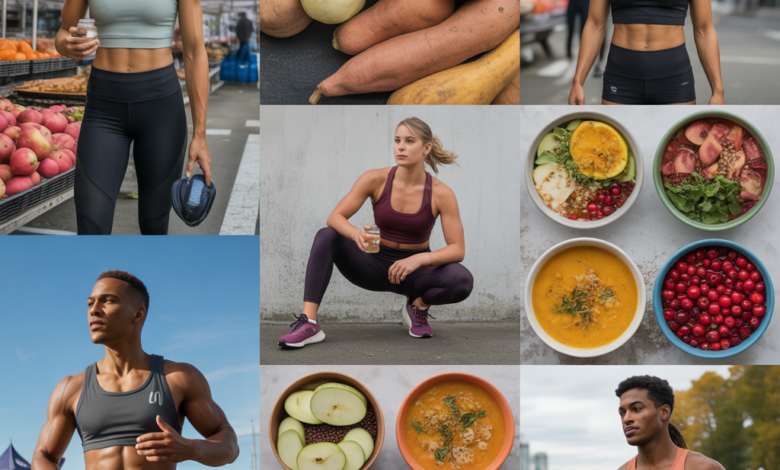
Ever find yourself standing in the farmers market, drawn to a mound of glossy apples and wondering which fall fruits and vegetables will actually help your energy, recovery, and overall health this season? If you’re training through chilly mornings or simply trying to eat smarter as the leaves change, choosing the right autumn produce can make a big difference. In this guide, I’ll walk you through the top fall produce picks and show practical ways to use them in meals, snacks, and workouts—without the overwhelm.
Why Seasonal Produce Matters for Fitness and Health
Seasonal eating isn’t just trendy—it’s smart. Autumn produce is harvested at peak ripeness, offering better flavor and more nutrients per bite compared to out-of-season grocery store staples. Eating seasonal fruits and vegetables can support immune function as temperatures drop, provide slow-burning carbs for endurance, and supply antioxidants to help with recovery after tough training sessions.
Benefits at a glance
- Higher nutrient density and flavor
- Often more affordable and sustainable
- Targets seasonal health needs (immune support, vitamin A/C)
- Great for meal prep and cozy, satisfying recipes
Top Fall Produce Picks (and Why They’re Great)
Below are my go-to picks for autumn—each with quick notes on nutrition and practical ways to use them in everyday workouts and meals.
1. Apples
- Why: Rich in fiber and natural sugars—perfect for pre-run energy.
- Try: Slice with nut butter for a portable pre-workout snack or add to oatmeal for slow-release carbs.
2. Sweet Potatoes
- Why: Complex carbs and beta-carotene; great for glycogen replenishment after long training sessions.
- Try: Roast cubes as a side, mash with cinnamon, or top with Greek yogurt and a sprinkle of seeds post-workout.
3. Pumpkins and Winter Squash (Butternut, Acorn)
- Why: High in vitamin A and potassium; comforting bases for soups that nourish sore muscles.
- Try: Puree into a protein smoothie or make a hearty squash stew to refuel after a chilly hike.
4. Kale and Leafy Greens
- Why: Iron and vitamin C for oxygen transport and immune care.
- Try: Add to smoothies, sauté with garlic as a side, or fold into omelets for easy weekday meals.
5. Beets
- Why: Nitrate-rich vegetables that may improve blood flow and endurance.
- Try: Roast with olive oil and sea salt, blend into a pre-workout juice, or slice into salads.
6. Brussels Sprouts and Cruciferous Veggies
- Why: Sulforaphane and fiber support liver detox pathways and gut health.
- Try: Thinly shaved in slaws, roasted with a drizzle of balsamic, or pan-seared with almonds.
7. Pomegranates and Cranberries
- Why: Antioxidant-dense seeds and berries that aid recovery and inflammation management.
- Try: Sprinkle arils on yogurt, salads, or mix into overnight oats for a tart pop of flavor.
How to Use Fall Produce in Your Fitness Routine
Seasonal produce can directly support training and recovery when used intentionally. Here are practical strategies and workout-related meal ideas.
Pre-Workout Fuel
- 30–60 minutes before: A small apple with almond butter or a banana-and-sweet-potato mash provides quick-but-sustained energy.
- For morning runs: A small smoothie with pumpkin puree, half a banana, and a scoop of protein keeps you light but fueled.
Post-Workout Recovery
- Within 45 minutes: Focus on carbs + protein. Try roasted sweet potato cubes with cottage cheese or a kale-and-beet salad with grilled chicken.
- Hydration tip: Warm herbal teas with a splash of pomegranate juice can be soothing and antioxidant-rich post-sweat.
Workout Variations That Match the Season
- Trail or hill runs—pair with beet- or sweet potato-based meals for nitrate- and carb-loading.
- Resistance circuits—use heartier fall foods like squash and legumes for muscle recovery.
- Outdoor group classes—bring apple slices or a pomegranate seed snack bowl for communal fueling.
Meal Prep and Cooking Tips for Autumn Produce
- Batch-roast a tray of mixed fall veggies (sweet potatoes, beets, squash) for 3–4 days of easy sides.
- Freeze pureed pumpkin or squash in ice cube trays to add to smoothies or stews later.
- Store apples in a cool, dark place or the crisper drawer to extend freshness; keep cruciferous vegetables in breathable bags.
- Use seasonal produce to make one-pot meals—less cleanup means more time for workouts.
Real-World Example: A Day of Eating Around Your Training
Sample day for an early-morning runner:
- Pre-run (6:15am): Small apple + a teaspoon of peanut butter.
- Post-run breakfast (8:00am): Pumpkin protein smoothie (pumpkin puree, protein powder, oats, cinnamon).
- Lunch (12:30pm): Kale salad with roasted beets, chickpeas, goat cheese, and pomegranate seeds.
- Afternoon snack (3:30pm): Roasted sweet potato wedges and a boiled egg.
- Dinner (7:00pm): Baked salmon with Brussels sprouts and mashed butternut squash.
Frequently Asked Questions
1. What are the easiest fall produce picks for meal prep beginners?
Start with apples, sweet potatoes, and kale. They store well, require minimal prep (wash, slice, roast), and can be used in breakfast, lunch, and dinner. Roasting a tray of mixed sweet potatoes and squash takes 30–40 minutes and gives you ready-to-eat sides for several meals.
2. Can these autumn fruits and vegetables actually improve my workout performance?
Yes—certain fall foods like beets (nitrate-rich) and sweet potatoes (complex carbs) can support blood flow and glycogen replenishment. Combined with adequate protein and hydration, seasonal produce helps fuel workouts and speed recovery.
3. How do I preserve fall produce to avoid waste?
Freeze purees (pumpkin, squash), roast extras for quick meals, and store leafy greens in a paper towel-lined container to keep them crisp. Apples and root vegetables last longer in a cool, dark place. Plan two-to-three meals around your purchases within a week to reduce spoilage.
Wrap-Up: Make These Top Fall Produce Picks Part of Your Routine
Choosing the top fall produce picks—apples, sweet potatoes, squash, kale, beets, and seasonal berries—gives you a toolkit for better energy, recovery, and seasonal wellness. Start small: pick three items this week and plan breakfasts, snacks, and one recovery meal around them. For more structured ideas, check my workout routines to match training with fuel, explore practical strategies in my nutrition guides, and read everyday strategies on the wellness tips page.
Ready to get started? Grab a bag of apples and a sweet potato on your next market run, try the pumpkin smoothie recipe for morning training, and tell me which fall produce became your new favorite in the comments—your seasonal swap could inspire someone else.