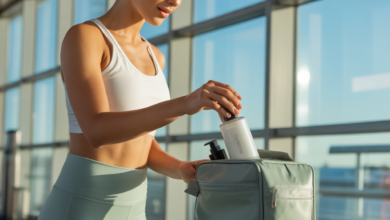
Ever stood in your living room, sneakers on, ready to move — and then scrolled your phone for 20 minutes instead? Whether you’re juggling a busy schedule, avoiding the gym, or simply prefer sweat sessions in slippers, getting an effective at-home workout takes more than good intentions. In this article you’ll find practical, science-backed tips for working out at home that help you stay consistent, get stronger, and enjoy the process.
Why home workouts work — and how to avoid the common pitfalls
At-home fitness is flexible, convenient, and cost-effective. You can squeeze in a 20-minute HIIT set between calls, do mobility work while dinner cooks, or build strength with bodyweight moves. But the biggest challenges are motivation, space, and routine. The following strategies solve those problems with simple systems, realistic expectations, and workout variations that suit every level.
Top tips for working out at home
Use these straightforward, actionable tips to turn your living room into a results-driven training space.
1. Create a dedicated workout spot
You don’t need a home gym, just a consistent space. Lay down a mat, keep a pair of dumbbells or resistance bands nearby, and stash a water bottle and towel. A clear, inviting area primes your brain to switch into workout mode and reduces friction to get started.
2. Build a realistic schedule
Consistency beats intensity when starting at home. Block 20–40 minutes on your calendar like any other appointment. Try morning movement, a lunchtime walk, or an evening strength circuit. Use recurring calendar events or an accountability buddy to stay on track.
3. Mix formats: strength, cardio, and mobility
A balanced plan combines resistance training for muscle, cardio for heart health, and mobility for joint longevity. Example week: two strength sessions (bodyweight or dumbbells), two 20-minute cardio intervals (jump rope, stair sprints, or brisk walking), and daily 10-minute mobility flows.
4. Learn a handful of compound moves
Mastering squats, lunges, push-ups, rows (with bands), and planks gives you a complete full-body toolkit. Compound exercises recruit multiple muscles and are efficient for fat loss and strength gain in small spaces.
5. Use progressive overload at home
Progression doesn’t require heavy gym plates. Increase reps, add tempo (slow the lowering phase), reduce rest times, or add band tension. For example, move from 3 sets of 10 push-ups to 3 sets of 12, or perform slow (3-second) eccentric squats to build strength without extra weight.
6. Try circuit and interval formats
Circuits (3–5 moves back-to-back) and HIIT (short bursts of all-out effort) keep workouts efficient and elevate calorie burn. A 20-minute AMRAP (as many rounds as possible) of squats, push-ups, and mountain climbers delivers a full-body session when time is tight.
7. Reduce equipment with creative substitutions
No dumbbells? Use filled water jugs, backpacks with books, or cans. A sturdy chair doubles as a bench for step-ups or tricep dips. Resistance bands are affordable and unlock rows, presses, and banded squats.
8. Prioritize recovery and sleep
Working out at home should support an overall healthy lifestyle. Aim for 7–9 hours of sleep, add easy movement on rest days, and include foam rolling or gentle stretching. Consistent recovery prevents burnout and keeps progress steady.
9. Track progress with simple metrics
Measure what matters: number of workouts per week, reps, time to complete circuits, or how you feel during daily activities. Small wins — more push-ups, faster stair climbs, or improved mobility — keep motivation high.
10. Make workouts enjoyable and social
Pick music you love, follow short instructional videos, or invite a friend for a virtual session. Turning exercise into something fun increases adherence far more than willpower alone.
Workout variations for different goals and spaces
Below are practical home workout templates you can adapt based on goals, equipment, and time.
Beginner — 20-minute no-equipment circuit
- Warm-up: 3 minutes of marching in place and arm swings
- 3 rounds: 40s work / 20s rest — bodyweight squats, incline push-ups (hands on counter), reverse lunges, plank hold
- Cool-down: 3 minutes of hamstring and chest stretching
Fat loss — 30-minute interval session
- Warm-up: dynamic mobility (leg swings, hip circles)
- 6 rounds: 30s high-intensity (burpees, jump rope, or fast stairs) / 30s recovery
- Strength finisher: 3 sets of 10 slow push-ups and 15 goblet squats (use a backpack)
Strength — 3-day split using minimal equipment
- Day 1 — Upper: band rows, push-ups, overhead press (resistance band), core
- Day 2 — Lower: split squats, glute bridges (single-leg progression), calf raises
- Day 3 — Full-body: Romanian deadlifts with backpack, single-arm rows, plank variations
Healthy lifestyle tips to support your home workouts
- Nutrition: prioritize lean protein, colorful vegetables, and smart carbs to fuel recovery and performance. Check the nutrition guides on our site for meal ideas.
- Hydration: keep a water bottle nearby and sip throughout workouts and the day.
- Mindset: set small, measurable goals (e.g., 3 workouts per week) and celebrate consistency, not perfection.
- Education: learn proper movement mechanics through reputable programs or short tutorial videos to reduce injury risk. Explore our workout routines for structured plans.
- Balance: pair your training plan with stress management—walking, meditation, or gentle yoga. Visit our wellness tips page for more recovery strategies.
Real-world examples: two at-home transformations
Example 1 — Laura, new mom: With 25 minutes three times a week and a simple circuit (bodyweight squats, incline push-ups, baby-worn walks), she regained energy and lost inches in three months. The key: consistency and short, frequent sessions.
Example 2 — Mark, busy professional: Swapped one evening of TV for a 20-minute HIIT routine and incorporated two strength sessions per week with resistance bands. Over six months he improved his lifts and lowered resting heart rate. Small habit changes produced big results.
Frequently Asked Questions
1. Do I need equipment to get fit at home?
No — you can get stronger and fitter with bodyweight exercises like squats, push-ups, lunges, and planks. Resistance bands and adjustable dumbbells expand your options but aren’t required for progress.
2. How long should my at-home workouts be?
Anything from 15 to 45 minutes can be effective. Focus on intensity and consistency. Short daily sessions are often better than sporadic long workouts.
3. How do I stay motivated to work out at home?
Set realistic goals, schedule workouts, track progress, vary your routine, and make sessions enjoyable. Social accountability (a workout buddy or virtual class) also helps maintain momentum.
Conclusion — start small, stay consistent
Working out at home is practical, scalable, and effective when you use smart systems: a dedicated spot, a realistic schedule, balanced training, and simple progression. These tips for working out at home will help you build momentum and enjoy meaningful results. Ready to take the next step? Pick one tip above to implement this week, try a short routine from our workout routines, and share your progress. Your future self will thank you.
Call to action: Commit to one 20-minute session this week — set it on your calendar now and come back to this page for ideas when you need inspiration.