Ever rolled out a yoga mat in your living room, scrolled through 50 video options, and still felt unsure what to do next? If you’ve wondered how to build a home fitness routine that actually sticks, you’re not alone. These tips for working out at home will help you create efficient, enjoyable workouts—even in a small space and with minimal equipment.
Why Choose Home Workouts?
Working out at home is convenient, budget-friendly, and flexible. Whether you’re a busy parent, remote worker, or someone who prefers privacy, home-based exercise can deliver strength gains, improved cardio, and better mood. With the right plan—short high-intensity circuits, targeted strength sessions, or mobility routines—you can match gym results from your living room.
Tips for Working Out at Home
Here are practical, evidence-based strategies to make your at-home exercise consistent, safe, and effective.
Create a Dedicated Space
- Choose a small, consistent area—corner of the living room, bedroom, or balcony. Even 4 x 6 feet is enough for most routines.
- Keep a mat, resistance bands, and a set of dumbbells in a basket so you can start quickly.
- Optimize lighting and ventilation; a clean space reduces mental resistance to exercise.
Plan Short, Focused Workouts
Short workouts remove excuses. Use 20–30 minute sessions, like:
- 20-minute strength circuit: 3 rounds of push-ups, squats, lunges, plank holds.
- 15–20 minute HIIT: 30 seconds hard (burpees/squat jumps) + 30 seconds rest, repeat 10–12 rounds.
- 10–15 minute mobility flow: dynamic stretches and foam rolling to improve posture and reduce pain.
These home workout tips help busy people build consistency—quality beats quantity.
Use Bodyweight and Minimal Equipment
Bodyweight exercises are highly effective. Mix progressions and regressions to match fitness level:
- Push-up variations: wall → knee → standard → decline.
- Squats: box squats, goblet squats (with a dumbbell or kettlebell), single-leg pistol progressions.
- Core: dead bug, bird dog, side plank, hanging leg raise alternatives using a bench or edge of a couch.
Add affordable equipment—resistance bands, adjustable dumbbells, or a kettlebell—to expand your options without major investment.
Structure Routines for Progress
- Follow simple periodization: 2–3 weeks of higher reps (12–15) then 2–3 weeks of heavier/low-rep work (6–8) for strength.
- Track workouts in a notebook or app—log weights, reps, and how you felt to measure progress.
- Include a mix of strength, cardio, and mobility each week to reduce injury risk and improve overall fitness.
Optimize Time and Motivation
Real-world examples:
- Parent with limited time: 20-minute AM kettlebell circuit before kids wake up.
- Office worker: three 10-minute mobility and posture breaks during the workday to counteract sitting.
- Retiree: three low-impact strength sessions per week focusing on balance and functional strength.
Set calendar reminders, pair workouts with enjoyable music or a favorite podcast, and use accountability—workout buddies or progress photos—to keep motivation high.
Workout Variations and Sample Sessions
Beginner Home Workout (20 minutes)
- Warm-up: 3 minutes of marching in place + arm circles.
- Circuit (3 rounds): 10 bodyweight squats, 8 incline push-ups, 10 glute bridges, 20-second plank; rest 60s between rounds.
- Cool-down: 3 minutes of stretching.
Intermediate Strength + Cardio (30 minutes)
- Warm-up: 5 minutes dynamic mobility.
- EMOM (Every Minute on the Minute) x 20: minute 1 – 12 kettlebell swings; minute 2 – 12 dumbbell rows; minute 3 – 10 jump squats; repeat.
- Cooldown and foam rolling.
No-Equipment HIIT (15 minutes)
- 30s work / 30s rest × 10 rounds: mountain climbers, burpees, alternating lunges, high knees, plank jacks.
Healthy Lifestyle Tips to Complement Home Workouts
Exercise is one pillar—nutrition, sleep, and stress management complete the picture.
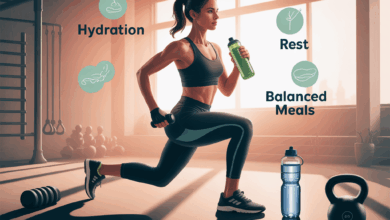
- Nutrition: Aim for balanced meals with adequate protein to support muscle recovery. See our nutrition guides for meal ideas and timing tips.
- Sleep: Prioritize 7–9 hours; poor sleep impairs recovery and motivation.
- Hydration: Sip water throughout the day; even mild dehydration reduces performance.
- Movement: Add non-exercise activity like walking breaks and standing work to increase daily calories burned and mental well-being.
Common Mistakes to Avoid
- Skipping warm-ups and cool-downs—these prevent injury and speed recovery.
- Chasing every trend—stick to a few core movements and progress them.
- Training only cardio or only strength—balance yields better long-term results.
Frequently Asked Questions
Do I need equipment to get fit at home?
No. You can build strength and improve cardiovascular fitness using bodyweight exercises and household items. Adding resistance bands or dumbbells expands options and accelerates strength gains, but they’re not strictly necessary.
How often should I work out at home to see results?
Aim for 3–5 sessions per week combining strength and cardio. Consistency matters more than session length—three quality 30-minute workouts per week will produce noticeable improvements within 6–8 weeks.
How do I stay motivated when exercising alone?
Set small, measurable goals, schedule workouts like appointments, vary your routines, and use accountability (friends, tracking apps, or social posts). Celebrating small wins keeps momentum going.
Conclusion
Working out at home can be practical, efficient, and enjoyable when you apply these tips for working out at home: set up a simple space, plan short focused workouts, use bodyweight and minimal equipment, and support exercise with good nutrition and sleep. Start with one small habit—like a 15-minute daily routine—and build from there. Want structured inspiration? Check our workout routines page for sample plans, explore meal timing in our nutrition guides, and browse lifestyle ideas on our wellness tips page to create a full-support system for success.
Ready to begin? Pick one routine above, set a time in your calendar for tomorrow, and take the first step toward a sustainable home fitness habit.
For more workout tips specifically for a flat stomach, check out our Workout Tips for Flat Stomach article.
For more workout tips to gain weight, check out our article on Workout Tips to Gain Weight
For more workout tips to gain weight, check out our article on Workout Tips to Gain Weight
For more workout tips to gain weight, check out our article on Workout Tips to Gain Weight
For more workout variations and sample sessions, check out First Day of Workout Tips.