Have you ever walked into a swim meet feeling ready to race—and then realized you forgot your goggles or a warm jacket? Race-day nerves are stressful enough without scrambling for essentials. Whether you’re a competitive swimmer, a parent of a young athlete, or a coach, knowing exactly what to pack can turn a chaotic meet day into a confident, high-performance experience.
Why a meet-day checklist matters
Swim meets are a mix of intense physical effort, long waits between events, and strict timelines. Bringing the right gear, food, and recovery tools helps you stay focused, maintain race-day routines, and perform your best. This guide covers practical items, fitness tips, workout variations for warm-ups, and lifestyle advice to keep you race-ready.
Essential things to bring to a swim meet
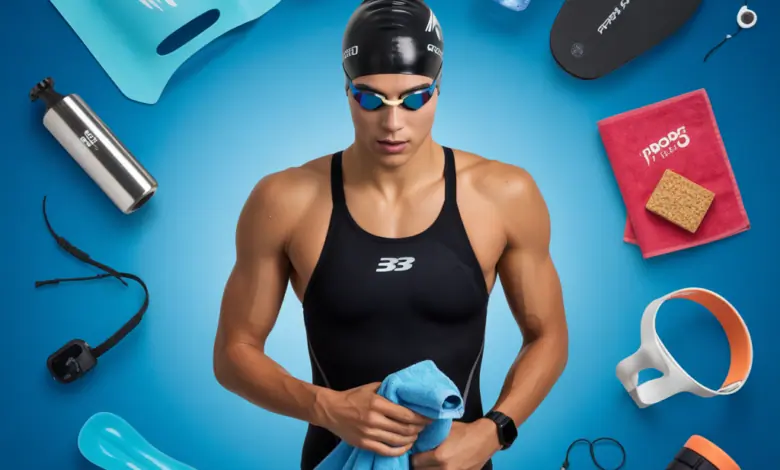
Below is a comprehensive list of must-haves organized by category so you can pack quickly and confidently.
Gear and apparel
- Racing suit and backup suit (in case of tears or straps breaking)
- Practice suit for warm-ups
- Two pairs of goggles (one tinted/one clear) and anti-fog solution
- At least two swim caps (silicone or latex) and a spare
- Large, absorbent towel and a compact microfiber towel
- Warm-up jacket, hoodie, or tracksuit to maintain muscle temperature between races
- Flip-flops or pool shoes to protect your feet
Race-day nutrition and hydration
- Reusable water bottle and an electrolyte drink (for long sessions)
- Easy-to-digest snacks: bananas, plain rice cakes, granola bars, nut butter packets
- Meal options for longer meets: whole-grain sandwiches, baked chicken, roasted sweet potato
- Portable cooler or insulated bag to keep food fresh
Warm-up and recovery tools
- Resistance band and a small dryland kit for pre-race activation
- Foam roller or massage ball for quick muscle release
- Small first-aid kit: blister pads, tape, ibuprofen (if appropriate)
- Hand sanitizer, sunscreen, and lip balm
Organization and extra essentials
- Printed event schedule and warm-up lane info (or note on your phone)
- Cash and a charged phone with backup battery
- Pen for writing event numbers on arms or heat sheets
- Plastic bag for wet suits and dirty clothes
Pre-race warm-up: practical fitness tips and variations
A smart warm-up readies your body and mind for peak performance. Tailor your routine based on sprint vs. distance events, and on how much time you have between races.
Sprint warm-up (50–100m events)
- 200 easy swim with 50 drill/50 scull to prepare technique
- 6 × 50 build to race pace, with 20–30 seconds rest
- 2 × 25 fast with full recovery to prime the nervous system
Middle-distance warm-up (200–400m)
- 400–600 steady swim including drills and 4 × 50 at threshold pace
- 2–3 starts from the block or push-offs to simulate race efforts
- Short breathing and mobility work on deck—arm circles, hip openers
Dryland activation (10–15 minutes)
- Dynamic mobility: leg swings, walking lunges, shoulder band pull-aparts
- Strength primer: 2 rounds of plank (45s), glute bridge (15 reps), and banded squats (15 reps)
- Explosive drills for sprinters: 4 × 5 medicine ball slams or squat jumps
Real-world example: At a regional meet last season, our sprinter added a 5-minute dryland activation and swapped one 25 sprint for two starts from the block. She shaved 0.3 seconds off her 50 free—small gains that mattered.
Race-day nutrition and lifestyle advice
Nutrition and recovery habits in the 24–48 hours before a meet affect performance more than last-minute snacks. Focus on consistent, balanced meals, hydration, and sleep.
24–48 hours before
- Prioritize carbohydrate-rich meals (oats, rice, sweet potatoes) mixed with lean protein and vegetables
- Aim for 7–9 hours of sleep; use short naps (20–30 minutes) between sessions if needed
- Stay hydrated—sip fluids throughout the day and avoid excessive caffeine
Morning of the meet
- Breakfast: oatmeal with banana and a little nut butter, or a whole-grain bagel with egg
- Eat small, frequent meals and snacks to maintain steady energy
- Use familiar foods—this is not the time to try new recipes
Real-world example: A distance swimmer I coached keeps a “meet jar” with individually portioned energy balls and electrolyte tablets. During long meets, this predictable nutrition prevented mid-afternoon slumps and helped maintain focus.
Tips for parents and coaches
If you’re supporting a young swimmer, prepare their bag the night before and run through a checklist together. Encourage independence—label items and let athletes manage small responsibilities like timing their warm-ups and packing snacks.
Comfort and mental prep
- Bring a small notebook or pre-written race plan to reinforce goals
- Use breathing exercises (box breathing or 4-4-4) before stepping on the block
- Encourage positive imagery and short, actionable cues (e.g., “strong kick, quick turn”)
Frequently Asked Questions
1. What are the absolute essentials for a swim meet?
At minimum: a racing suit, backup goggles and cap, a large towel, water and quick snacks, and warm clothing. These basics cover safety, nutrition, and comfort.
2. How early should I arrive before my event?
Plan to arrive at least 60–90 minutes before your scheduled event for check-in, warm-up, and mental prep. For first-time meets or larger competitions, allow extra time for parking and pool entry procedures.
3. Can I bring my own warm-up equipment to the warm-up pool?
Most meets allow pull buoys, paddles, and fins during general warm-ups, but rules can vary. Check meet instructions in advance; if unsure, pack compact gear and confirm with officials or coaches upon arrival.
Final checklist and conclusion
Use this quick checklist before you head out: racing suit + practice suit, two goggles, two caps, towel, warm clothes, water bottle, snacks, resistance band, foam roller, first-aid items, schedule, and your game plan. When you pack thoughtfully, you reduce stress and create space to perform.
Remember: preparation is part of performance. Whether you’re refining warm-ups with targeted workout routines, dialing in fuel from our nutrition guides, or adopting recovery habits from our wellness tips, the right meet-day setup helps you race smarter. Ready to build your personalized meet-day checklist? Start now—lay out your bag tonight and race tomorrow with confidence.
Call to action: Download or write your own customized checklist, and try one warm-up variation from this article at your next practice. Share your results and tips with your team—small adjustments lead to big improvements.