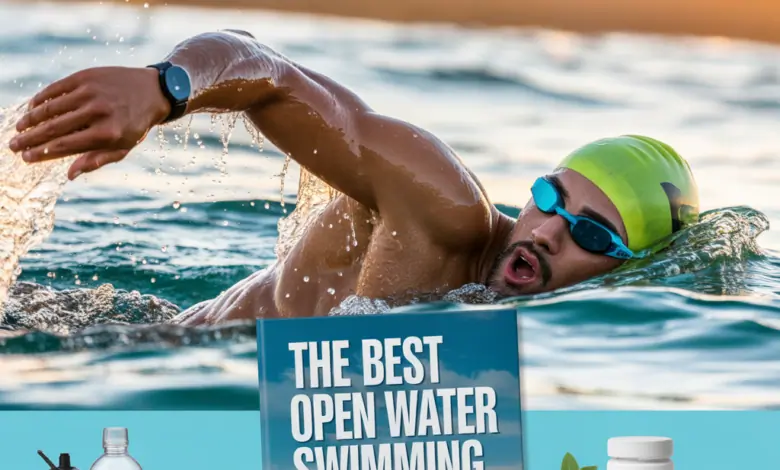
Have you ever stood at the edge of the water, wetsuit half-on, wondering if your last meal will make or break your swim? Whether you’re prepping for a 5K sea swim or training for a cold-water crossing, understanding how to fuel your body is the difference between a confident open-water session and a slog. This is the best open water swimming nutrtion guide to help you swim stronger, recover faster, and enjoy every session.
Why Nutrition Matters for Open Water Swimming
Open water swimming places unique demands on your body: long durations, variable temperatures, and limited access to food during a swim. Proper fueling powers your muscles, preserves core temperature in cold water, and keeps your mind focused when conditions are tough. Think of nutrition as part of your gear—alongside your wetsuit, goggles, and race plan.
Key physiological factors
- Energy systems: Endurance relies on glycogen and fat metabolism—top up glycogen before long swims.
- Thermoregulation: Calories and warm carbohydrates help maintain body temperature in cold water.
- Hydration & electrolytes: Crucial even in water—sweat and prolonged effort deplete sodium and potassium.
The Best Open Water Swimming Nutrtion Guide: Practical Fueling Strategies
Below are clear, actionable recommendations for pre-swim, during-swim, and post-swim fueling that work for open-water athletes of all levels.
Pre-swim: Timing and foods that work
- 2–4 hours before: Eat a balanced meal with 1–2 g/kg of carbohydrates, moderate protein, and low fat. Examples: oatmeal with banana and yogurt, or rice with lean protein and steamed veggies.
- 30–60 minutes before: An easy-to-digest snack with 20–40 g carbs—toast with jam, a sports bar, or a banana. Avoid high-fiber foods right before a race.
- Hydration: Drink 400–600 ml (13–20 oz) about 2 hours beforehand, then sip 150–250 ml (5–8 oz) 15 minutes before the start.
During long swims: What to carry and how often to eat
- Swims under 60 minutes: No calories required for most swimmers. Sips of water and electrolytes can be helpful for hot days.
- Swims over 60–90 minutes: Aim for 30–60 g of carbohydrate per hour. Use energy gels, sports drinks, or small bites (chews, fruit leather). Practice feeding from a kayak or feed station if racing.
- Cold water swims: More calories may be needed because of increased energy expenditure—consider frequent small feeds to maintain core temperature.
Post-swim recovery
- Within 30–60 minutes: Consume a 3:1 to 4:1 carbohydrate-to-protein snack or meal to replenish glycogen and support muscle repair (e.g., chocolate milk, smoothie with protein powder, turkey sandwich).
- Rehydrate: Replace fluid plus electrolytes—aim for 150% of fluid lost in the hours after training.
- Sleep and refueling: Prioritize a balanced dinner with whole grains, lean protein, and vegetables; recovery happens when your body rests.
Hydration, Electrolytes, and Supplements
Hydration for open water swimmers isn’t just drinking water—electrolytes matter. Sodium helps retain fluids and supports nerve and muscle function; include electrolyte tablets or sports drinks during prolonged efforts. Consider caffeine (used strategically) for alertness and performance, and a low-dose carbohydrate-protein supplement post-swim for recovery.
Supplements to consider
- Caffeine (100–200 mg pre-event for experienced users)
- Electrolyte mixes for long sessions
- Omega-3s for general recovery and inflammation support
Training Fuel and Workout Variations
Nutrition should match your training. Fuel different sessions to target specific adaptations: speed, endurance, or skill work. If you’re training fast intervals, make sure glycogen stores are topped up. For long aerobic swims, practice low-intensity sessions with limited fueling to improve fat utilization—but do so intelligently and never on race day.
Sample workout variations
- Endurance day: 90 minutes steady-state in open water, sip electrolytes, practice bilateral breathing and sighting.
- Speed day: 10 x 200m with 20–30 seconds rest; pre-fuel well and focus on short, high-carb snacks if needed.
- Brick session (swim + run): 45-minute steady swim followed by 30-minute easy run—practice race nutrition and transitions.
For more structured plans and swim-specific drills see our workout routines page.
Healthy Lifestyle Advice to Boost Performance
Nutrition is one piece of the puzzle. Combine it with consistent sleep, stress management, and cross-training to unlock gains.
- Sleep: Aim for 7–9 hours nightly—critical for recovery and glycogen restoration.
- Strength training: Two sessions per week to build shoulder and core stability—reduce injury risk in open water conditions.
- Mental prep: Visualization and breathing drills help you stay calm during choppy conditions.
Explore additional ideas on our wellness tips page.
Real-World Examples That Work
Example 1 — Weekend long swim (3+ hours): Carb-rich dinner the night before (pasta with veggies), breakfast 2–3 hours before (bagel and peanut butter), frequent feeds every 30–45 minutes (energy gels + sports drink), and a recovery meal with carbs+protein.
Example 2 — Morning 90-minute sea swim: Light carb snack 45 minutes prior (banana + rice cake), sip electrolyte drink, post-swim smoothie with protein and fruit.
Frequently Asked Questions
1. What should I eat before an open water swim?
Eat a balanced meal 2–4 hours before with mainly carbohydrates (1–2 g/kg), moderate protein, and low fat. A small carb snack 30–60 minutes before can top up energy without upsetting your stomach.
2. How do I fuel during a race or long swim?
For swims longer than 60–90 minutes, aim for 30–60 g of carbohydrate per hour via gels, chews, or sports drink. Practice feeds in training using a support kayak or feed station to mimic race conditions.
3. Do I need electrolytes while swimming?
Yes—especially for sessions longer than 60 minutes, in hot weather, or when you’re sweating heavily. Electrolytes (sodium, potassium) help maintain fluid balance and prevent cramping.
Conclusion — Take the Next Stroke with Confidence
Use this the best open water swimming nutrtion guide as your foundation: plan your pre-swim meals, practice mid-swim fueling, and prioritize recovery. Small changes—timing, hydration, and tried-and-tested snacks—translate into big gains in comfort, performance, and enjoyment on the water.
Ready to tailor a plan? Start by testing one fueling strategy in training this week, then refine it before your next big swim. For more detailed meal plans and advanced fueling strategies, check our nutrition guides and keep swimming smarter.