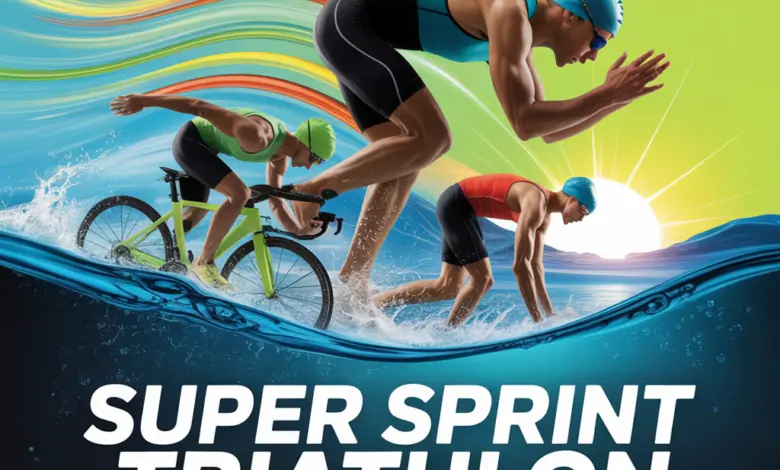
Super Sprint Triathlon Guide: Train Smart, Race Faster

Ever stood at the pool deck watching a race and thought, “I could do that” — but worried a triathlon might be too long or complicated? If you want the thrill of a multi-sport race without the marathon-length commitment, a super sprint is the perfect gateway. This super sprint triathlon guide will walk you through everything from beginner training plans and race-day tips to nutrition and gear so you can cross the finish line feeling strong and confident.
Why Choose a Super Sprint Triathlon?
Super sprint triathlons are short-course triathlons designed for beginners and time-crunched athletes. Typical distances are 400–500m swim, 10–15km bike, and 2.5–3km run. That means you can train smarter, not longer, while still getting all the technical benefits of swim-bike-run racing.
Getting Started: A Simple 6-Week Training Overview
To prepare efficiently, focus on quality over quantity. Below is a practical 6-week outline for new racers or experienced athletes brushing up on speed.
Weekly Structure
- Swim: 2 sessions (technique + intervals)
- Bike: 2 sessions (steady ride + intervals or hill repeats)
- Run: 3 sessions (easy run, tempo/run-walk, intervals)
- Brick: 1 bike-to-run brick per week (20–30 min ride + 10–15 min run)
- Rest: 1–2 recovery days depending on fatigue
Sample Week (Beginner)
- Monday – Swim: 400–600m with drills (focus on sighting and breathing)
- Tuesday – Run: 30 min easy (include 4 x 1 min pickups)
- Wednesday – Bike: 40 min steady + 4 x 1 min hard efforts
- Thursday – Swim: 10 x 50m intervals with 20–30s rest
- Friday – Rest or active recovery (yoga, easy spin)
- Saturday – Brick: 25 min bike + 12 min run (practice quick transition)
- Sunday – Long run: 40–45 min conversational pace
Swim, Bike, Run: Practical Tips for Each Leg
Swim: Technique Trumps Yardage
Most beginners lose time in the water due to inefficient technique and poor sighting. Work on body position, a relaxed catch, and bilateral breathing. Use drills like catch-up, fingertip drag, and 25m fast/25m easy to build form and speed.
Bike: Cadence and Confidence
Maintain a cadence of 80–95 rpm on flats. For short-course racing, practice accelerating out of corners and maintaining a steady aero position for bursts. If you’re using a road bike, clip-on aerobars help, but proper bike handling and cornering skills will gain you more time than fancy gear.
Run: Fast Finishes Win Races
Include short, sharp intervals like 6 x 400m at 5K pace with short recoveries to build speed. Finish long training runs with 5–8 minutes at race pace to simulate the kick you’ll need after the bike leg.
Race Prep: Transitions, Tapering, and Pacing
Transition Practice (T1 & T2)
- Set up your transition area the night before — shoes, helmet, race belt, and towel in order.
- Practice removing your wetsuit quickly and getting into cycling shoes fast (elastic laces help).
- Do at least two brick workouts that include a timed transition to get comfortable.
Taper Smart
With super sprint distances, tapering is short. Reduce total volume by 30–40% in the final 3–4 days, keep intensity with short sharp efforts, and prioritize sleep and nutrition.
Pacing Strategy
Start conservatively on the swim to avoid early fatigue, push hard on the bike but focus on smooth power, and aim to negative-split the run (run the second half faster than the first). Short races reward controlled aggression.
Nutrition and Recovery
Because events are short, you don’t need a complex fueling strategy. A carb-focused breakfast 2–3 hours before the race (oatmeal, toast, banana) and a small snack 30–60 minutes prior (gel or sports drink) is usually sufficient. Hydrate well in the days leading up to the event, and consider a light electrolyte drink if it’s hot.
For recovery, prioritize protein within 45 minutes after training (20–30g), plus light stretching and foam rolling. Sleep is non-negotiable — aim for 7–9 hours nightly during training blocks.
Gear Checklist and Safety
- Swim: Wetsuit (if allowed), goggles, swim cap
- Bike: Helmet (must be fastened before you mount), bike in good working order, pump, spare tube
- Run: Comfortable running shoes, race belt, sunglasses
- Other: Body glide for chafing, sunscreen, towels
Always follow local race safety rules and pre-race briefing notes. If the swim is open water and you’re nervous, swim with a buddy or book a guided practice session.
Training Variations and Progressions
To keep improving, rotate training focuses every 3–4 weeks:
- Technique block: emphasize swim drills and cadence work on the bike
- Speed block: short intervals for all three disciplines
- Endurance block: increase volume slightly with longer bricks
Track progress with time trials: a 200–400m swim time, a 10km bike TT, and a 5km run TT every 4–6 weeks gives you measurable targets.
Real-World Examples
Take Sarah, a busy teacher who started with zero triathlon experience. She followed a six-week beginner plan and focused on two quality workouts per week for each discipline. On race day she finished strong, shaving two minutes off her target time after practicing transitions. Or consider Tom, who cut his run leg by 30 seconds per kilometer after adding weekly brick sessions and tempo runs.
Super Sprint Triathlon Guide: Event-Day Checklist
- Lay out all gear the night before
- Warm up with a 5–10 minute jog and a short pool warm-up if possible
- Arrive early to walk the course, note entry/exit points, and find your transition spot
- Stick to your nutrition plan and avoid trying new foods
Frequently Asked Questions
1. How long does it take to train for a super sprint triathlon?
For most beginners, 6–8 weeks of consistent training (3–5 workouts per week) is enough to be race-ready. If you’re completely new to swimming, add extra time to build confidence in the water.
2. Do I need a wetsuit for a super sprint?
Wetsuits aren’t required but can improve buoyancy and speed in cooler open-water swims. Check race rules for water temperature limits and consider practicing in a wetsuit before race day to get used to the feel.
3. Can I do a super sprint triathlon with minimal running experience?
Yes. Super sprints are beginner-friendly. Focus on consistent, short runs with some walk-run intervals if needed, and prioritize bike and swim technique to conserve energy for the run.
Conclusion: Ready to Start Your Super Sprint Journey?
This super sprint triathlon guide gives you the roadmap: focused training, transition practice, basic nutrition, and smart pacing. Whether you’re aiming to finish strong or chase a personal best, the key is consistent, purposeful workouts and a calm race-day plan. Ready to build your personalized plan? Check our workout routines for sample training plans, browse our nutrition guides for pre-race fueling ideas, and visit our wellness tips page for recovery strategies. Lace up your shoes, set a date, and let the fun — and the progress — begin.
Call to action: Sign up for a beginner triathlon training checklist or start a 6-week plan today to get race-ready with confidence!