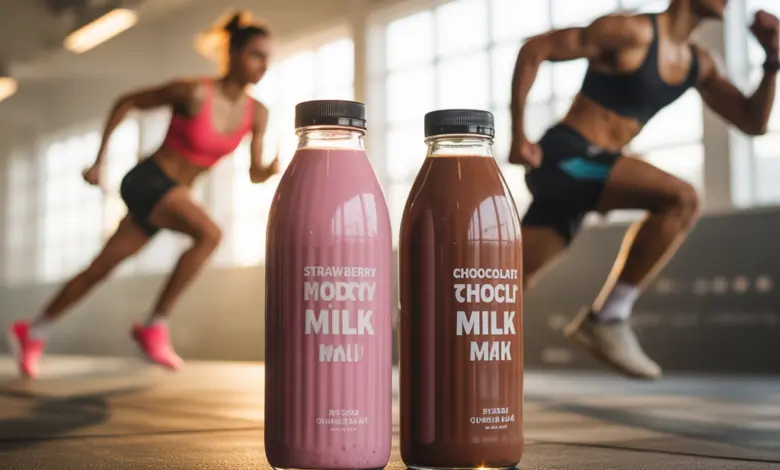
Ever finish a sweaty gym session and stand in the fridge aisle thinking, “Strawberry milk or chocolate milk — which one helps me recover better?” You’re not alone. That small choice can feel surprisingly loaded when you’re trying to balance taste, recovery, and overall nutrition. In this article I’ll break down strawberry milk vs chocolate milk in a practical, evidence-minded way so you can choose the right flavored milk for your fitness goals.
Why this comparison matters
Flavored milk is one of the most convenient post-workout options: it’s portable, tasty, and offers carbohydrates and protein in a single sip. But not all flavored milks are created equal. Whether you’re an endurance athlete looking for glycogen replenishment or a recreational lifter chasing muscle recovery, understanding the nutrition differences helps you make smarter choices.
Strawberry milk vs chocolate milk: Nutritional breakdown
Let’s compare the typical nutrition profile of store-bought strawberry and chocolate milk. Exact numbers vary by brand and whether it’s whole, low-fat, or plant-based, but general trends hold true.
Calories, carbs, and sugar
- Both flavors usually contain similar calories and carbohydrate ranges per serving. Chocolate milk tends to be slightly higher in sugar because cocoa syrups or chocolate syrups often add more sweeteners.
- Strawberry milk can be just as sweet depending on added fruit flavorings or syrups, but some brands use natural strawberry purée or less added sugar.
Protein and fat
- Dairy-based flavored milks (whole, 2%, or skim) provide the same baseline protein content as plain milk — typically 8 grams per 8-ounce serving — making both good sources of fast-absorbing protein for recovery.
- Fat content depends on milk choice (whole vs low-fat). Chocolate and strawberry versions don’t differ much in protein but may vary in fat if the manufacturer adds cream for flavor.
Vitamins, minerals, and electrolytes
- Both contain calcium and vitamin D when made from dairy, plus potassium and small amounts of other micronutrients. Chocolate milk sometimes contains slightly more sodium depending on the processing, which can be helpful after long sweat sessions.
Taste, texture, and satisfaction: The psychology of flavor
Beyond macros, taste matters. Enjoyment influences whether you actually consume the nutrients you need. If chocolate milk motivates you to drink a post-workout recovery beverage, that matters more than theoretical nutrient differences.
Real-world example
After a 45-minute HIIT class, I choose chocolate milk because it feels indulgent — and I’m more likely to sip it while cooling down. A friend of mine chooses strawberry milk after morning runs because it’s lighter and doesn’t feel heavy on the stomach. Both approaches work; the best choice is the one you’ll consistently use.
Which is better for post-workout recovery?
If your goal is recovery, the most important pieces are quality protein + carbohydrates and fluid replacement. Both strawberry and chocolate milk can deliver this combination.
- For short to moderate workouts (30–90 minutes): either flavored milk provides a convenient 3:1 or 4:1 carbs-to-protein ratio suitable for glycogen replenishment and muscle repair.
- For long endurance sessions (>90 minutes) or heavy sweat losses: choose the option with slightly higher sodium and calories, and consider pairing with a snack that adds electrolytes if needed.
How to choose low-sugar or healthier options
Not all flavored milk is optimal if you’re watching sugar intake or following a calorie-controlled plan. Here’s how to make a smarter pick:
- Read labels: look at total sugar and ingredient list. Prefer products with natural flavors or real fruit over high-fructose corn syrup or long sugar lists.
- Go low-fat or skim if you want fewer calories, but remember fat can increase satiety — helpful if you’re trying to avoid snacking later.
- Try homemade: blend milk (dairy or fortified plant-based), fresh or frozen strawberries, and a touch of honey or cocoa powder for more control over sugar content.
- Consider protein-fortified options if you need extra protein for muscle mass goals.
Practical fitness tips and workout variations
Incorporate flavored milk strategically into your training and lifestyle:
Post-workout pairings
- Strength training (45–75 minutes): Drink 8–12 oz of flavored milk within 30–60 minutes to support muscle protein synthesis.
- Endurance training (60+ minutes): Use flavored milk as part of a recovery meal combined with a banana or whole-grain toast for extra carbs.
- Quick gym sessions (30 minutes): A smaller 6–8 oz serving can be enough — pair with a handful of nuts if you need sustained energy.
Workout variations to test with your recovery drink
- Resistance superset day — heavier loads: prioritize protein-rich recovery (try chocolate milk + a boiled egg afterward).
- Interval cardio day — high glycogen use: opt for higher-carb flavored milk and sip slowly during cooldown.
- Active recovery or mobility day: a light strawberry milk can be refreshing and won’t weigh you down.
Making it work with different diets
Vegetarian athletes can rely on dairy versions, while vegans should choose fortified plant-based milks and add plant protein powder. If lactose is a problem, lactase-treated milk or lactose-free options are available, and many brands offer almond, soy, or oat flavored milks — just check protein amounts.
Frequently Asked Questions
1. Is chocolate milk better than strawberry milk for muscle recovery?
No single flavor is inherently superior for muscle recovery. Both provide carbs and protein when made from dairy. Choose based on sugar content, calorie needs, and personal taste — the best recovery drink is the one you will actually consume consistently.
2. Can flavored milk be part of a weight-loss plan?
Yes, when consumed in appropriate portions and accounting for total daily calories. Opt for low-fat or lower-sugar versions, or make a homemade lower-sugar flavored milk. Pairing it with a balanced meal helps control appetite and calorie intake.
3. Are there healthier homemade alternatives to store-bought flavored milk?
Absolutely. Blend milk or a fortified plant alternative with fresh/frozen strawberries or unsweetened cocoa powder, and sweeten lightly with honey or a natural sweetener. This approach lets you control sugar, use real ingredients, and boost nutrient density.
Conclusion — Picking between strawberry milk vs chocolate milk
Strawberry milk vs chocolate milk isn’t a battle of good vs bad — it’s about context. Both flavored milks can be useful post-workout recovery drinks, satisfying treats, or convenient nutrition on busy days. Focus on label-reading, portion control, and how the choice fits your training and lifestyle. If you want a quick rule: choose the flavor you enjoy that has the lower added sugar for everyday use, and reserve higher-calorie or sweeter options for intense training days.
Ready to optimize your post-workout routine? Try swapping flavored milk into your next recovery plan and track how you feel. For more structured help, check out our workout routines, explore targeted ideas in our nutrition guides, and pick up daily habits in the wellness tips section. Share which flavor works for you — strawberry or chocolate — and why!