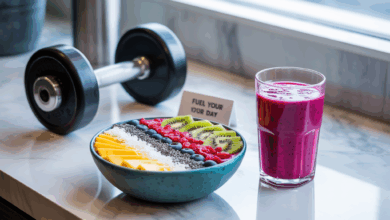
Ever canceled a workout because you felt a tickle in your throat and wondered, “Is this the start of the flu?” You’re not alone. Between juggling work, family, and social life, cold and flu season can feel like a threat to your routine and energy levels. Learning how to stay healthy during flu season doesn’t have to mean hiding indoors — with the right habits you can maintain fitness, strengthen your immune system, and avoid getting sidelined.
Why staying healthy during flu season matters
Beyond avoiding missed workouts, staying well protects your productivity, moods, and long-term health. The flu and seasonal illnesses spread quickly in shared spaces — offices, classrooms, gyms — and small daily choices make a big difference. Prioritizing sleep, nutrition, hygiene, and smart training helps you build resilient immunity and keep consistent progress toward your goals.
How to stay healthy during flu season: a simple daily plan
This practical routine focuses on immune support and lifestyle balance. Use it as a template and adapt for kids, shift workers, or seniors.
- Morning: 7–8 hours of sleep is ideal. Start with 5–10 minutes of mobility or breathing exercises to reduce stress hormones.
- Midday: Balanced lunch with lean protein, whole grains, vegetables, and a probiotic-rich food (yogurt, kefir, or fermented veggies).
- Afternoon: Short walk or 20–30 minute workout to boost circulation and immunity.
- Evening: Light strength session or restorative yoga, followed by tech-free wind-down to improve sleep quality.
Top daily habits to boost immunity
Prioritize high-quality sleep
Sleep deprivation suppresses immune function. Establish a consistent sleep schedule, create a cool dark bedroom, and avoid heavy screens an hour before bed.
Hydration and nutrient-dense eating
Water supports mucosal barriers that trap pathogens. Eat vitamin-rich foods: citrus, berries, leafy greens, garlic, ginger, and zinc sources like pumpkin seeds and lean meats. Include prebiotics and probiotics to support gut health — a key component of immune resilience.
Stress management
Chronic stress elevates cortisol and weakens defenses. Short daily practices — deep breathing, 10-minute meditation, or a brisk walk — help reduce stress load.
Exercise strategies to stay well
Regular physical activity is one of the most effective lifestyle tools for immune health. The trick is choosing the right intensity and variety during flu season.
Smart weekly structure
- 3–4 moderate sessions (30–45 minutes) — brisk walking, cycling, or steady-state cardio.
- 2 strength-training sessions (20–40 minutes) focusing on compound movements: squats, push-ups, rows, lunges.
- 1 active recovery day — mobility work, stretching, or restorative yoga.
Workout variations when you’re short on energy
Not feeling 100%? Scale back intensity rather than skipping movement entirely. Try:
- Low-intensity steady state (LISS): 30-minute brisk walk instead of a run.
- Micro workouts: three 7–10 minute circuits of bodyweight exercises throughout the day.
- Breath-focused sessions and gentle stretching to support circulation and recovery.
Gym hygiene and community safety
Wipe down equipment, bring your own mat and towel, and avoid peak crowd times. If you feel unwell, skip group classes to protect others — a small act that helps prevent outbreaks.
Nutrition and supplementation
Food-first is the best strategy: whole foods provide vitamins, minerals, antioxidants, and fiber needed for immune function. Key nutrients to emphasize:
- Vitamin C: citrus fruits, bell peppers, strawberries.
- Vitamin D: safe sun exposure, fortified foods; consider supplementing in low-sun months after checking levels with a provider.
- Zinc: lean meats, legumes, seeds.
- Protein: supports antibody production — include a source at every meal.
Supplements can be helpful but consult your healthcare professional before starting anything new.
Hygiene and practical prevention tips
- Get vaccinated if eligible — flu shots reduce risk of severe illness.
- Wash hands frequently and avoid touching your face.
- Use masks in crowded indoor settings during peak outbreaks if you’re at high risk.
- Keep commonly-touched surfaces clean at home and work.
Real-world examples: making it work with a busy life
Case 1 — The working parent: Sarah swaps one evening TV episode for a 20-minute bodyweight circuit and packs vitamin-rich lunches for her kids. She uses weekend meal prep to ensure healthy options during the week.
Case 2 — The desk worker: Jason takes two 10-minute walking breaks daily, adds a protein smoothie post-walk, and schedules strength sessions three mornings a week to maintain muscle and immunity.
Case 3 — The retiree: Maria focuses on low-impact cardio and balance work, maintains a Mediterranean-style diet, and joins a small outdoor walking group for social and immune benefits.
Frequently Asked Questions
1. Can exercise prevent the flu?
Regular moderate exercise supports immune function and reduces infection risk, but it doesn’t guarantee you won’t get the flu. Combining exercise with good nutrition, sleep, hygiene, and vaccination offers the strongest protection.
2. What foods are best to boost immunity during flu season?
Focus on whole foods: fruits and vegetables high in vitamin C and antioxidants, lean proteins, whole grains, nuts and seeds, and fermented foods for gut health. Avoid excessive sugar and ultra-processed foods that can impair immune responses.
3. When should I skip workouts if I feel sick?
Use the “above the neck” rule: if symptoms are mild and above the neck (runny nose, sore throat) and you feel up to it, do light activity. If you have fever, body aches, heavy cough, or chest congestion, rest and consult a healthcare provider before returning to exercise.
Conclusion — Take steps today to stay healthy during flu season
Staying healthy during flu season is a blend of consistent habits: sleep, balanced nutrition, appropriate exercise, and smart hygiene. Small changes — a daily walk, a midweek strength session, or packing an immune-supporting lunch — add up to big protection. Start by picking two habits from this article to implement this week and track how you feel.
Ready to build a resilient routine? Explore our workout routines and nutrition guides for easy, practical plans — and check our wellness tips for seasonal strategies. Stay proactive, stay consistent, and stay healthy during flu season.
For more tips on how exercise can help boost your immune system during flu season, check out How Long Does It Take to See Body Changes from Walking.
For a well-rounded immune boost, consider incorporating seasonal fruits and vegetables from this list into your meals.
For a healthy diet during flu season, consider incorporating some of the seasonal fall fruits and vegetables listed here.
For a nutrient-dense eating plan during flu season, check out our Seasonal Fall Fruits and Vegetables List
For a healthy diet during flu season, consider incorporating some of the seasonal fall fruits and vegetables listed here.
For a nutrient-dense eating plan during flu season, consider incorporating seasonal fruits and vegetables from this list.
For more healthy meal ideas that can boost your immune system during flu season, check out Healthy Meal Prep.