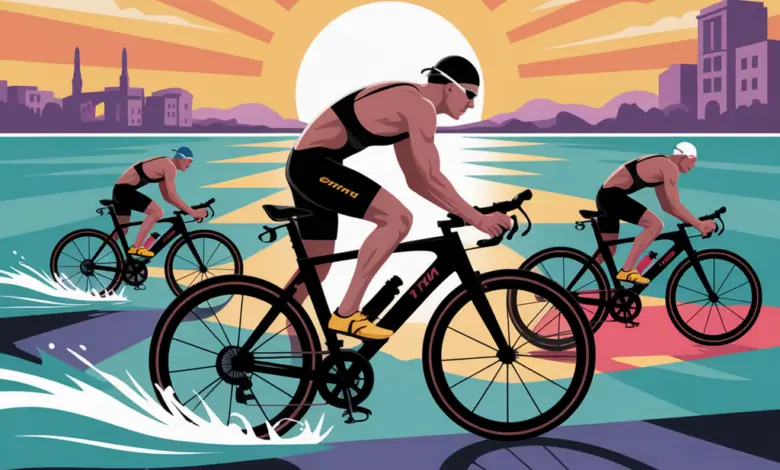
Have you ever stood on a race start line and wondered, “Did I prepare the right way?” Whether you’re toeing the edge of the water for your first triathlon or returning to chase a personal best, getting the details right makes the difference. In this guide you’ll get practical, real-world advice to tackle St. Anthony’s Triathlon confidently—from training and nutrition to race-day strategy and gear.
Why St. Anthony’s Triathlon is a must-do event
St. Anthony’s Triathlon in St. Petersburg has a reputation for fast, spectator-friendly courses and a welcoming community vibe. It’s a popular short-course race that draws beginners and elites alike because of its scenic urban swim, bike-friendly roads, and a looped run course that keeps the crowd energy high. If you want a focused, short-course triathlon experience with a lively atmosphere, this event fits the bill.
How to structure your training
Good preparation balances swim, bike, and run while preventing burnout. Below are proven training structures and examples you can adapt based on time, fitness level, and goals.
8–12 week training blocks
- Beginners (first triathlon): 8 weeks that focus on building consistency—three swims, three bikes, three runs per week with one brick workout.
- Intermediate (goal: faster time): 10 weeks with targeted intervals—4 swims, 3–4 bikes, 4 runs, including speed work and a weekly long bike or run.
- Experienced racers: 12 weeks to peak—higher volume plus race simulations, threshold sets, and race-pace bricks.
Sample week for a busy athlete
Time-crunched example (6 sessions):
- Monday: Swim technique 30–40 min (drills + easy intervals)
- Tuesday: Bike intervals 45–60 min (4×5 minutes at tempo)
- Wednesday: Run threshold workout 30–40 min
- Thursday: Swim endurance 40 min + short brick run 15 min
- Friday: Easy recovery bike or active rest
- Saturday: Long ride 60–90 min followed by 10–15 min run off the bike
- Sunday: Long run or cross-training 45–60 min
St. Anthony’s triathlon all you need to know: race day essentials
On race day, focus on transitions, pacing, and staying calm. Here are practical tips that make a measurable difference.
Pre-race checklist
- Race kit: wetsuit (if allowed), goggles, swim cap, bike shoes, helmet, race belt, running shoes.
- Nutrition: easy-to-digest breakfast 2–3 hours prior (oats with banana or a bagel + peanut butter), and small carbohydrates 30–60 minutes before start if needed.
- Hydration: start well-hydrated and sip electrolytes if you train in heat.
Transition tips
- Set up gear in the order you’ll use it—swim-to-bike items nearest to the bike rack.
- Practice wetsuit removal and quick shoe changes at home; even a few five-minute simulations speed things up.
- Clip or strap shoes on the bike if you prefer quick mounts, but only use set-ups you’ve practiced.
Training workouts and variations
Mix interval training, tempo efforts, and steady-state sessions to build speed and endurance. Here are actionable workouts you can use or modify:
Swim
- Technique set: 10 min warm-up, 8×50 drill-focused, 6×100 moderate, 200 cool-down.
- Speed set: 5×200 with descending effort, rest 30–45 sec between intervals.
Bike
- Threshold intervals: 3×12 min at 85–90% effort with 6 min easy between efforts.
- Short power: 10×1 min hard with 1 min easy—to boost climbing and sprint capacity.
Run
- Tempo run: 20–30 min at comfortably hard pace for aerobic efficiency.
- Interval speed: 6×800 m at 5K pace with equal recovery jogs.
Nutrition and recovery strategies
Fueling and recovery are as important as workouts. Aim for a balanced plate of lean protein, healthy fats, and whole-carbohydrate sources. Key tips:
- Post-workout: 20–30 g protein within 30–60 minutes to aid muscle repair (Greek yogurt, protein shake, or lean meat).
- Daily: Include colorful vegetables and fruit, whole grains, and adequate healthy fats to support hormones and energy levels.
- Sleep: Prioritize 7–9 hours nightly; quality sleep improves performance, immune function, and recovery.
Real-world examples & success stories
Maria, a marketing manager and busy parent, trained for St. Anthony’s by doing 30–45 minute sessions before work and longer bricks on weekends. She focused on consistency over perfection, swapped two long runs for cross-training when needed, and completed her first triathlon without walking during the run. Small, sustainable changes often beat short-lived motivation spikes.
Gear and safety reminders
- Bike maintenance: Check brakes, tire pressure, and shifting the week before the race.
- Goggles: Bring a backup pair and anti-fog paste if you rely on visibility.
- Sun protection: Apply sweat-resistant sunscreen and consider a breathable hat for post-bike/run segments.
- Heat adaptation: If you live in a cooler climate, acclimate to heat with shorter high-effort sessions in warmer parts of the day.
Frequently Asked Questions
Q: What level of fitness do I need to finish St. Anthony’s Triathlon?
A: St. Anthony’s is accessible to beginners with consistent training. Focus on building swim confidence, basic bike handling, and run endurance over 8–12 weeks. If you can swim continuously for 10–15 minutes, bike 45–60 minutes, and run 20–30 minutes, you’re in a good place to start.
Q: How should I taper before the race?
A: Reduce volume by 30–50% in the final week while keeping a few short, race-pace efforts to stay sharp. Prioritize rest, sleep, and hydration. Avoid trying new gear, nutrition, or race strategies during taper week.
Q: What’s the best way to manage race-day nerves?
A: Control what you can—pack the night before, follow your nutrition plan, and run a short warm-up. Use breathing techniques (box breathing or 4-4-4) and visualize the race flow. Remember, a steady start beats an all-out opening that costs you later.
Conclusion — Ready to take on St. Anthony’s?
Now that you know the essentials—training structure, race-day routines, nutrition, and practical gear tips—you’re ready to make a plan and commit. Whether your goal is to finish strong or chase a PR, consistent training and smart preparation will get you there. If you want ready-made plans or deeper nutrition help, check out our workout routines and nutrition guides, and for daily habits that boost performance see our wellness tips. Sign up, set a training block, and take that first confident step toward race day!