Have you ever stopped mid-run because a sudden itch turned your focus into a battle against your skin? Or skipped a yoga class because your arms were red and irritated from last night’s lotion? If living an active life feels harder because of flare-ups, you’re not alone — and the right soothing eczema products and clothing can change the game.
Why the right products and clothes matter for active people
When you sweat, rub, or layer fabrics during a workout, sensitive skin can react. Choosing eczema-friendly skincare (think fragrance-free, ceramide-rich creams and colloidal oatmeal soaks) and the right athletic wear (breathable, tagless, soft fabrics) reduces friction, locks in moisture, and minimizes flare-up triggers. Combining good skin care with smart clothing choices helps you stay consistent with exercise and fitness goals without paying the price in irritation.
Best soothing eczema products and clothing for active lifestyles
Gentle, effective skincare products
- Fragrance-free moisturizers: Opt for thick, ceramide-rich creams or ointments to restore the skin barrier. Use immediately after showering to seal in moisture.
- Colloidal oatmeal bath products: Soothing for inflamed skin and helpful after sweaty workouts.
- Gentle cleansers: Use sulfate-free, non-foaming body washes to avoid stripping natural oils.
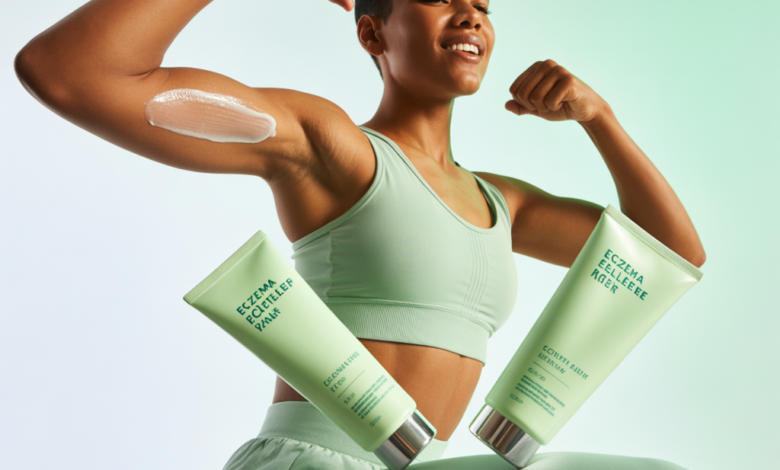
- Spot itch relief: Cooling gels with ingredients like menthol-free formulations or prescribed topical agents can temporarily reduce itching; consult your dermatologist before use.
- Moisturizing sprays: Portable spray or mist moisturizers are great for quick post-workout application when you’re on the go.
Clothing and fabrics that reduce irritation
- Natural, breathable fabrics: Soft cotton and bamboo blends reduce friction and trap less sweat than synthetic materials.
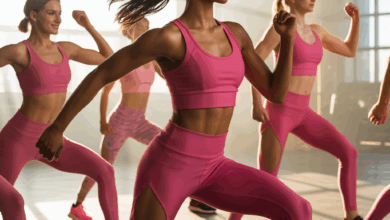
- Hypoallergenic performance wear: Look for moisture-wicking fabrics designed for sensitive skin — seamless, tagless, and with flatlock seams.
- Layering smartly: Lightweight layers allow you to regulate temperature to avoid overheating and excessive sweating.
- Swimwear considerations: Rinse chlorine off promptly; consider chlorinated pools’ effects and use a protective moisturizer before swimming.
- Proper laundry care: Wash new garments before wearing, use fragrance-free detergents, skip fabric softeners, and do an extra rinse cycle to remove residue.
Fitness tips and workout variations for sensitive skin
Exercise supports skin health by improving circulation and reducing stress, but it needs to be adapted for eczema-prone people.
Low- to moderate-intensity options
- Brisk walking or hiking: Low sweat, easy to regulate layers, and outdoors often means fresher air for sensitive people.
- Swimming with caution: Short sessions with an immediate shower and moisturize routine can work well—test how your skin reacts to chlorine and rinse thoroughly.
- Yoga and Pilates: Controlled breathing and stretching promote relaxation (reducing stress-triggered flare-ups) and usually involve less heavy sweating.
Higher-intensity options with modifications
- HIIT with shorter intervals: Reduce sweat accumulation by shortening high-intensity bursts and increasing rest to cool down.
- Indoor cycling or rowing: Use powerful fans or climate control to stay cool and change into dry clothes immediately afterward.
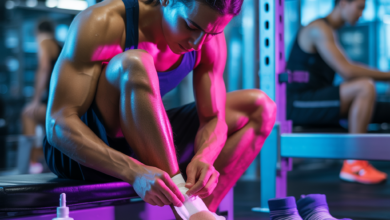
- Strength training: Wear breathable tank tops and wrist supports to minimize chafing; wipe down equipment to avoid irritant transfer.
Healthy lifestyle changes that support skin barrier repair
Small habits compound. Pair your soothing eczema products and clothing choices with lifestyle practices that reduce inflammation and support healing:
- Nutrition: Focus on anti-inflammatory foods — omega-3 rich fish, nuts, colorful vegetables, and whole grains. Consider reading our nutrition guides for meal ideas that support skin health.
- Hydration: Drink water consistently; well-hydrated skin handles sweat and heat stress better.
- Sleep and stress management: Prioritize sleep and use breathing exercises or meditation to reduce stress-related flares. See more in our wellness tips resources.
- Trigger tracking: Keep a brief diary of food, products, and workouts to identify patterns that might cause flares.
Real-world examples
Sam, a marathon trainee with chronic eczema, switched to tagless seamless running shirts and a ceramide ointment after long runs. He noticed fewer chafing episodes and shorter recovery time between trainings. Maria, a spin-class regular, found that using a lightweight bamboo base layer and a gentle, fast-absorbing moisturizer immediately post-class reduced redness and vastly improved comfort.
Practical morning and post-workout routine
- Before exercise: wear breathable, moisture-wicking base layers; apply a light, non-greasy barrier cream on friction-prone areas if recommended by your clinician.
- During exercise: keep a towel handy; take short breaks to cool down if you feel too hot.
- Immediately after: shower with lukewarm water, use a gentle cleanser, pat skin dry (don’t rub), and apply a thick, fragrance-free moisturizer within three minutes to lock in moisture.
- Laundry: change into clean clothes and wash sweaty workout clothes promptly with a sensitive-skin detergent.
Frequently Asked Questions
1. Can I still work out if I have eczema?
Yes. Exercise is beneficial for overall health and can improve stress and circulation — both helpful for skin. Choose workouts and clothing that minimize overheating and friction, and follow a solid post-workout skincare routine to reduce flare-ups.
2. What fabrics are best for eczema-prone skin?
Soft natural fibers like cotton or bamboo blends, as well as specialized hypoallergenic performance fabrics that are tagless and seamless, are good choices. Avoid rough wool or low-quality synthetics that trap sweat and rub the skin.
3. Which moisturizing products are most effective?
Look for fragrance-free, ceramide-rich creams, ointments, or emollients. Colloidal oatmeal products and barrier-repair lotions can also help. If over-the-counter options aren’t sufficient, consult your dermatologist for prescription topical treatments.
Conclusion: Take control with soothing eczema products and clothing
Managing eczema while staying active is about smart choices — gentle, effective soothing eczema products and clothing designed for sensitive skin, combined with thoughtful workout routines and lifestyle habits. Try one clothing swap (tagless, breathable layers) and one product change (a ceramide-rich cream or colloidal oatmeal soak) this week and see how your skin responds. For more exercise-friendly strategies, explore our workout routines and tailor them to your skin’s needs.
Ready to move comfortably again? Start by assessing your current gear and skincare, make one small change today, and track the difference. If your eczema is severe or changing, consult a dermatologist for personalized care.