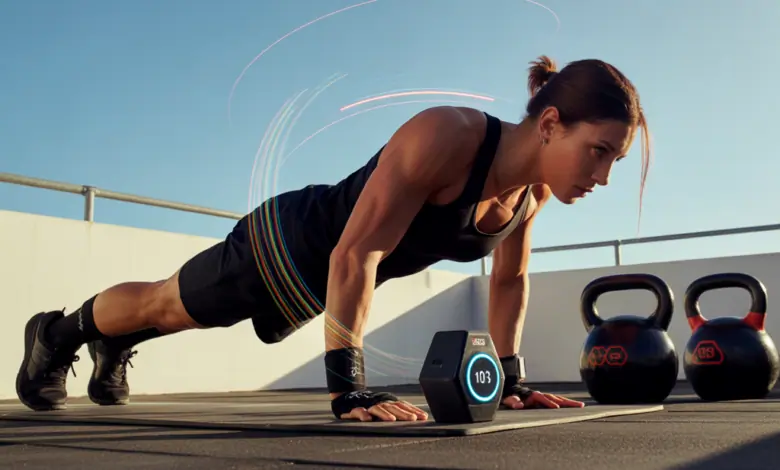
Ever find yourself staring at your living room floor wondering how to get a real sweat session without a gym buddy or class? If so, you’re not alone. Training solo can be empowering, efficient, and perfectly effective — if you know the right solo workout tips to stay motivated, safe, and consistent.
Why solo workouts work (and how to make them better)
Working out alone gives you control: you pick the time, the pace, and the structure. But it also means you’re responsible for planning, progress, and accountability. With a few practical strategies—focus, variety, and sensible progression—you can turn solo sessions into the engine of long-term progress.
Benefits of training alone
- Flexibility: fit workouts around your schedule
- Concentration: fewer distractions and more mind-muscle connection
- Cost-effective: many effective routines need little or no equipment
Top solo workout tips to maximize results
Use these core solo workout tips to sharpen your sessions and keep momentum.
1. Plan short, purposeful sessions
Instead of vague “do something” plans, create focused workouts. A 20–30 minute HIIT or strength circuit can beat a distracted 60-minute session. Decide your goal (strength, cardio, mobility), choose 3–5 exercises, and set a time or rep scheme (e.g., 4 rounds of 40 seconds on, 20 seconds off).
2. Warm up and cool down like a pro
When you’re solo, it’s easy to skip mobility. Spend 5–7 minutes warming up with dynamic moves (leg swings, arm circles, hip hinges). Finish with breathing and stretching to aid recovery and reduce injury risk.
3. Use simple tools for instant variety
Resistance bands, a pair of dumbbells, and a timer can transform home workouts. Bands add resistance for rows and squats, dumbbells enable progressive overload, and a timer helps structure intervals like Tabata or EMOM.
4. Track progress and set micro-goals
Keep a workout log or use a notes app. Record exercises, sets, reps, and how you felt. Small wins—more reps, heavier weight, or faster intervals—build momentum faster than lofty, vague goals.
5. Use workout structures that work well alone
- Circuits: rotate through exercises with minimal rest
- EMOM (Every Minute on the Minute): simple to follow with a clock
- AMRAP (As Many Rounds/Reps As Possible): great for intensity without equipment
- HIIT: short work-rest cycles for cardiovascular gains
Smart solo workout variations for different goals
Here’s how to tailor solo routines whether you want to build strength, burn fat, or boost mobility.
Strength-focused solo routine (beginner)
- Warm-up: 5 min dynamic stretching
- 3 rounds: 8–10 goblet squats, 8–10 push-ups, 8–10 single-arm dumbbell rows, 30s plank
- Cool-down: foam rolling or static stretching
Time-crunched fat-burning workout (20 minutes)
- 5-minute warm-up
- 12-minute AMRAP: 10 jump squats, 8 burpees, 12 mountain climbers
- 3 minutes core: bicycle crunches + plank hold
Low-impact mobility and recovery session
- 10 minutes gentle yoga flow (hips, hamstrings, thoracic mobility)
- 10 minutes targeted mobility drills and breath work
Practical lifestyle tips to support solo training
Workouts are only one part of the equation. Support your sessions with smart daily habits.
- Sleep: aim for 7–9 hours to maximize recovery and performance.
- Nutrition: focus on protein at meals, balanced carbs and fats, and hydration. Use strategies from our nutrition guides to optimize fueling and recovery.
- Consistency over intensity: three regular 30-minute sessions beat random bursts of extreme effort.
- Accountability: share goals with a friend, or schedule workouts on your calendar.
- Environment: create a dedicated, clutter-free corner for exercise to cue your brain that it’s workout time.
Real-world examples that show solo training works
Case 1: Sarah, a busy parent, does 25-minute strength circuits at 6am three times a week. She tracks progress with a simple notebook and increases weight every two weeks. After three months she gained strength, lost body fat, and felt more energetic.
Case 2: Marcos travels for work and carries a resistance band and a set of travel dumbbells. He alternates short HIIT sessions with mobility work to stay fit on the road without a gym.
Safety and motivation hacks for solo exercisers
- Prioritize form: slow down reps and use mirrors or phone recordings to check technique.
- Set up a progressive plan: increase load or reps gradually to avoid plateaus and injuries.
- Mix up music, podcasts, or guided workouts to maintain engagement.
- Schedule recovery: include rest days and active recovery to prevent burnout.
Frequently Asked Questions
1. Are solo workouts as effective as training with a partner or coach?
Yes. Solo workouts can be equally effective if you plan, progress, and remain consistent. Coaches and partners help with accountability and technique, but many people get excellent results using structured solo programs, proper form, and tracking.
2. How often should I do solo workouts to see results?
Aim for 3–5 sessions per week depending on intensity and recovery. Strength gains can appear with 2–3 focused strength sessions weekly, while 3–5 cardio or mixed sessions promote fat loss and endurance. Consistency and progressive overload are the keys.
3. What equipment is essential for at-home solo workouts?
Minimal equipment goes a long way: a set of dumbbells (adjustable or multiple pairs), resistance bands, and a timer are enough for most solo routines. A yoga mat and foam roller are useful for mobility and recovery. No equipment? Bodyweight circuits and HIIT work wonders.
Conclusion — Start strong with these solo workout tips
Solo workouts are a powerful, flexible way to build fitness on your terms. With planning, variety, and smart progression, you can get sustainable results from home, in a hotel room, or at a park. Use these solo workout tips to structure each session, track progress, and support your training with proper sleep and nutrition. Ready to design your next session? Check out our workout routines for template plans, and explore our wellness tips to build a full lifestyle approach. Take action today: pick one tip from this article, schedule your next workout, and make it count.