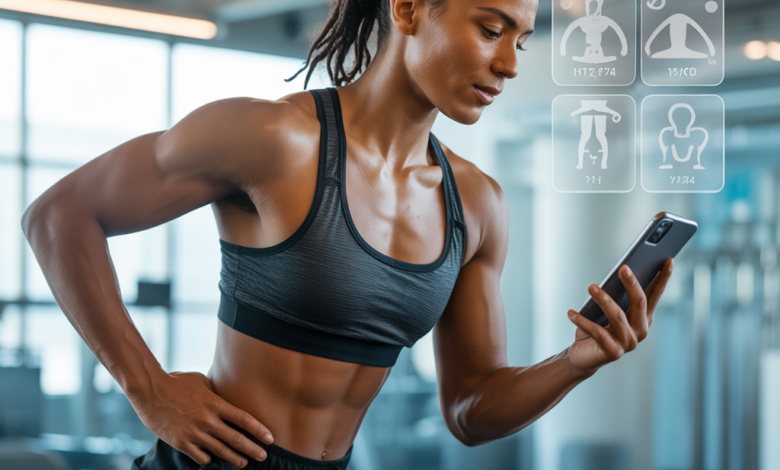
Ever stood in a gym locker room wondering if that lingering scratchy throat is nothing — or the reason you should skip group class? Or maybe you’re packing for a weekend race and want a fast, reliable check before you travel. If so, this smartphone covid test overview will help you decide when and how to use mobile testing tools without derailing your training plan.
Why mobile testing matters for active people
As a health-conscious athlete or regular gym-goer, you balance training loads, recovery, and community safety. Smartphone-based tests and app-linked rapid kits make quick screening easier: you can test at home, before a class, or right after travel. The convenience helps you protect teammates and training partners while keeping interruptions to a minimum.
What is a smartphone covid test overview — types and how they work
“Smartphone covid test overview” covers several technologies that pair diagnostic tests with phone apps or readers. The main types you’ll encounter:
- Rapid antigen tests with app guidance: Lateral flow devices where an app guides sampling, times the result, and stores a photo.
- Smartphone reader attachments: Small hardware that reads test strips more accurately than the naked eye and sends results to an app.
- Mail-in PCR apps: Apps that register and track PCR kits you mail to a lab; the phone handles logistics and secure result delivery.
How accurate are they?
Accuracy varies. Rapid antigen tests are typically very specific (few false positives) but less sensitive than lab PCR, especially early in infection. Smartphone readers and app-assisted interpretation can improve reliability by reducing human error when reading faint lines. If you’re symptomatic or at high risk, confirm a negative rapid test with a PCR when guidance suggests it.
When to use a smartphone-based COVID test
- Before attending indoor group workouts, classes, or team practices.
- After exposure to a confirmed case, following public health timing guidance.
- Before travel or events where organizers require proof of a negative result.
- When you have mild symptoms but want quick reassurance before deciding to exercise.
Real-world examples
Emma, a weekend marathoner, uses an app-linked rapid test 48 hours before long runs with her club. It gives her peace of mind and avoids last-minute cancellations. Marcus, a CrossFit coach, asks athletes to quickly self-test using a smartphone reader before high-intensity classes during surges, limiting potential spread without canceling sessions.
Pros and cons of smartphone COVID tests
- Pros: Speed, convenience, digital record-keeping, decreased interpretation errors, and integration with health apps.
- Cons: Variable sensitivity for antigen tests, cost of hardware attachments, and the need to follow local reporting rules for positive results.
How to use a smartphone COVID test safely and effectively
- Read the manufacturer’s instructions thoroughly and open the app before sampling.
- Wash hands and find a clean surface to work on. Collect the swab sample as directed — nasal swabs are most common for antigen tests.
- Time the test precisely. Use the app timer or a separate stopwatch. Many errors come from reading results too early or too late.
- Capture an image if required. The app may request a clear photo to analyze the strip or store the result.
- Follow recommended actions: isolate and seek confirmatory PCR if positive, and follow local public health guidance.
Fitness tips when testing or after a positive result
Testing changes how you plan workouts temporarily. Here’s practical advice for keeping fitness on track while staying safe.
- If negative and asymptomatic: Proceed with light-to-moderate exercise but consider wearing a mask in crowded indoor classes if local transmission is high.
- If you have mild symptoms but test negative: Treat symptoms seriously — prioritize rest, short low-intensity sessions like walking or yoga, and retest after 24–48 hours.
- If positive: Stop high-intensity training. Focus on rest, hydration, mobility work, and light bodyweight movements only if you feel well enough. Return to training gradually following recovery and medical advice.
Workout variations to keep momentum
- Low-impact LISS session: 30–45 minutes walking, cycling, or swimming (if allowed and feeling OK).
- Mobility circuit: 20 minutes of foam rolling, dynamic stretches, and joint flows to maintain range of motion.
- Light resistance: Short bodyweight circuits (push-ups, squats, plank holds) at a lower intensity to preserve strength without overtaxing the immune system.
Healthy lifestyle measures that complement testing
Testing is one tool — combine it with foundational health habits to reduce risk and speed recovery:
- Prioritize 7–9 hours of quality sleep to support immune function.
- Eat a nutrient-dense diet with protein, colorful vegetables, and healthy fats to aid recovery.
- Stay hydrated and maintain electrolyte balance, especially if training intensity drops or you’re ill.
- Improve ventilation in gyms and living spaces; open windows or choose outdoor workouts when possible.
- Manage stress via mindfulness or short breathing routines to help immune resilience.
Privacy, cost, and regulatory considerations
Smartphone tests often store data locally or in secure cloud systems. Check the app’s privacy policy and whether you’re comfortable sharing results. Cost varies: basic antigen kits are affordable, while reader attachments and subscription services add expense. Finally, ensure the test has appropriate approvals or certifications in your region and follow local reporting requirements for positives.
Frequently Asked Questions
1. How reliable is a smartphone-based rapid antigen test?
Rapid antigen tests paired with smartphone apps are generally reliable for detecting higher viral loads and are very specific. Sensitivity is lower than PCR, especially early or late in infection. Use PCR to confirm results when necessary and follow public health guidance.
2. Can I exercise after a negative smartphone COVID test?
Yes, if you are asymptomatic and test negative, light-to-moderate exercise is usually safe. If you have symptoms despite a negative test, rest and retest — symptoms can precede detectability by antigen tests.
3. Do I need a confirmatory PCR after a positive smartphone test?
Many health authorities recommend a PCR confirmation after a positive antigen result, particularly for travel, medical procedures, or when high-stakes decisions depend on the result. Follow local public health guidance and consult your healthcare provider.
Conclusion: Take control of testing and training
Smartphone covid test overview tools give active people fast, practical ways to screen for infection, keep training partners safe, and minimize disruption to fitness goals. They’re not perfect, but when used thoughtfully — combined with good sleep, nutrition, and sensible workout adjustments — they’re a valuable part of your wellness toolkit.
Ready to adapt your routine? Try integrating quick mobile testing before group sessions and pair it with recovery-focused workouts if you need to pause intensity. For more structured guidance, check our workout routines, explore nutrition strategies in our nutrition guides, and read practical recovery pointers on our wellness tips page.
Stay safe, train smart, and test responsibly — and if you have questions about choosing a kit or returning to training after illness, leave a comment or consult a healthcare professional.