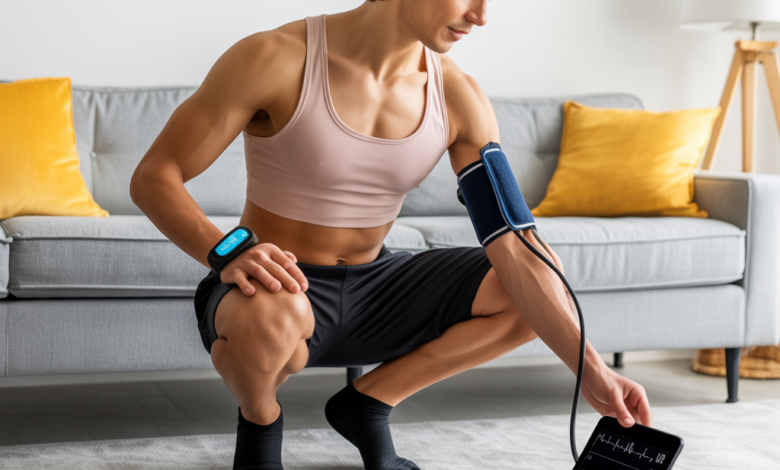
When was the last time you checked your own pulse, measured your waist, or looked for changes in a mole? Imagine spotting a small change early and avoiding a big problem later — that’s the power of simple home health checkups. Whether you’re busy, aging, or just health-conscious, a few minutes of regular self-checks can give you early warning signs and help you stay on track.
Why simple home health checkups matter
Home wellness checks are about prevention, awareness, and empowerment. They help you detect subtle changes in blood pressure, weight, resting heart rate, mobility, or mood that might otherwise be dismissed. Early detection often means simpler treatment, lower costs, and better outcomes. Plus, tracking trends over time gives you actionable insight — is fatigue a one-off, or part of a pattern?
Essential tools for at-home health checks
You don’t need expensive gear. A handful of affordable, reliable tools make DIY health screenings practical:
- Digital thermometer — for fever and baseline body temperature.
- Automatic blood pressure monitor — simple arm cuffs are accurate and easy to use.
- Reliable scale and measuring tape — track weight and waist circumference.
- Pulse oximeter — useful for monitoring oxygen saturation if you have respiratory issues.
- Glucometer — for people with diabetes or high risk of blood sugar problems.
- Notebook or app — log readings and symptoms to spot trends.
A simple home health checkups checklist
Below is a practical, repeatable checklist you can do daily, weekly, and monthly. Tailor it to your age, risk factors, and doctor’s advice.
Daily quick check (5 minutes)
- Resting heart rate: count pulse for 60 seconds or use a wearable.
- Temperature: take if you feel unwell.
- Symptoms log: note headaches, dizziness, chest pain, shortness of breath.
- Mood & sleep score: rate on a 1–5 scale to track mental health trends.
Weekly check (10–15 minutes)
- Blood pressure reading (morning and evening on different days for baseline).
- Weight and waist circumference measurement.
- Mobility test: timed 30-second sit-to-stand or a simple balance test.
- Skin/mole inspection: look for new or changing spots.
Monthly deeper check (20–30 minutes)
- Full body self-exam (breast/testicular checks if applicable).
- Review logs: look for trends in BP, weight, mood, and sleep.
- Medication review: confirm dosages and refill needs.
- Set goals: small adjustments to activity, sleep, or diet based on findings.
Fitness tips and workout variations to support your checks
Self-monitoring works best alongside movement. Use these practical fitness tips to improve the numbers you track.
- Quick morning routine (10 minutes): 2 minutes brisk marching in place, 1 minute of dynamic stretches, 2 rounds of 30-second bodyweight squats + 30-second plank. Improves heart rate and mobility.
- Strength variation: full-body bodyweight circuit (3 rounds) — 10 push-ups (knees OK), 15 squats, 10 reverse lunges per leg, 20-second side plank per side. Builds muscle and boosts resting metabolic rate.
- Low-impact cardio: 20-minute brisk walk or cycling at a conversational pace. Great for cardiovascular health, blood pressure, and mood.
- HIIT option (16 minutes total): 20 seconds hard effort, 40 seconds easy — repeat 8 times. Can be done with jumping jacks, burpees, or high knees. Improves fitness quickly when time is limited.
- Mobility and recovery: daily 5–10 minutes of foam rolling and hip openers reduces injury risk and improves posture for better blood pressure and breathing.
If you want structured sessions that match your goals and health check results, check our workout routines page for progressive plans.
Healthy lifestyle habits to track alongside checks
Tracking numbers is only part of the picture — lifestyle choices move those numbers in the right direction.
- Sleep: aim for 7–9 hours. Use a sleep log or app to detect patterns affecting mood and BP.
- Hydration: base water intake on activity and climate. Track by bottles if that helps.
- Nutrition: focus on whole foods, fiber, lean protein, and reduce ultra-processed snacks. See our nutrition guides for simple meal ideas.
- Stress management: daily breathing, short walks, or a mindfulness practice lowers cortisol and supports heart health.
- Social connection: regular contact with friends/family improves mental and physical resilience.
Real-world examples
• Example 1: Maria, 48, noticed her weekly BP readings creeping up. After two months of brisk walking, a low-sodium diet, and nightly 30-minute sleep hygiene routines, her readings returned to normal and her energy improved.
• Example 2: Jason, 32, logged his resting heart rate and found it slowly rising during a stressful job period. He added three 20-minute HIIT sessions per week and daily breathing exercises; his RHR went down and sleep improved.
When to call a professional
Home checks are not a substitute for medical care. Contact your healthcare provider or emergency services if you experience:
- Chest pain, severe shortness of breath, sudden weakness or numbness.
- Repeated very high blood pressure readings (e.g., systolic >180 mmHg) or low blood pressure with fainting.
- Rapid uncontrolled heart rate, fainting, severe dizziness, or sudden vision/hearing changes.
Otherwise, bring your logs to routine appointments — they provide valuable, objective context for your clinician.
Frequently Asked Questions
1. How often should I do simple home health checkups?
For most people: quick daily checks (sleep, mood), weekly readings (weight, BP), and a monthly deeper exam is a good starting point. Those with chronic conditions should follow their clinician’s recommendations, which may require more frequent monitoring.
2. Are home blood pressure monitors and pulse oximeters accurate?
Many consumer devices are accurate when used correctly — sit quietly for five minutes before measuring, use the correct cuff size, and take multiple readings. Validate devices at your doctor’s office if possible.
3. What should I do if my home check shows an abnormal result?
If the result is mildly abnormal, repeat the measurement after a few minutes and document it. If it remains abnormal or is concerning (very high BP, low oxygen, severe symptoms), contact your healthcare provider. For emergencies, seek immediate care.
Conclusion — Start your simple home health checkups today
Simple home health checkups are an easy, cost-effective way to catch problems early and guide smarter lifestyle choices. Start with a 5-minute daily habit and build to weekly and monthly checks. Track trends, combine checks with movement and nutrition habits, and bring your logs to appointments to make the most of your care. Ready to begin? Pick one daily check to do tonight — then explore our wellness tips and workout routines to build a personalized plan.
Take action now: set a reminder on your phone or print this checklist, and commit to one week of consistent home checks. Your future self will thank you.