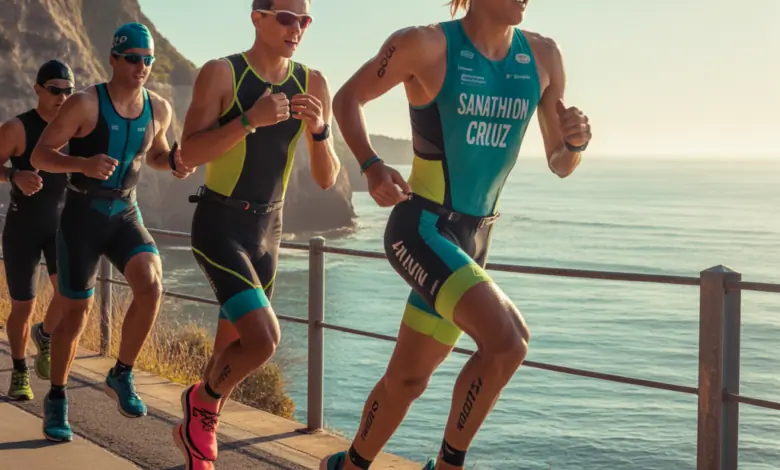
Ever caught yourself staring at the Pacific, imagining the cool morning air and the sting of saltwater as you dive into an open-water swim? If the thought of racing along cliffside roads and sandy beaches sounds like your kind of challenge, the Santa Cruz Triathlon Coastal Challenge might be the next goal that transforms your fitness routine into a full-on adventure.
What Is the Santa Cruz Triathlon Coastal Challenge?
The Santa Cruz Triathlon Coastal Challenge is a scenic coastal triathlon that combines open-water swimming, rolling coastal bike routes, and a rewarding run along seaside trails. This event attracts athletes from casual triathletes and first-timers to seasoned multisport racers looking for a beautiful, technically engaging course. Whether you’re preparing for the sprint distance or a longer distance event, building a smart training plan is key.
Course Highlights: Swim, Bike, Run
- Open-water swim: Expect chilly water, currents, and sighting—perfect practice for sighting and drafting skills.
- Coastal bike routes: Rolling hills, wind-exposed stretches, and tight turns require good bike handling and power endurance.
- Seaside run: Trails or beachfront running can be soft underfoot—practice cadence control and pacing off the bike.
Training Essentials for the Santa Cruz Triathlon Coastal Challenge
A successful race day starts weeks—or months—before. Focus on building aerobic base, sharpening speed, and practicing transitions. Here are practical strategies to include in your Santa Cruz Triathlon Coastal Challenge training plan.
Weekly Structure: Balance Endurance, Speed, and Recovery
- 2–3 swims: one long aerobic swim + one speed/set focused session + open-water sighting practice when possible.
- 2–3 bikes: one long endurance ride, one interval or hill session, and one brick (bike-to-run) workout.
- 2–4 runs: easy runs for aerobic base, tempo runs for race pace, and one long run or trail-specific session.
- Strength & mobility: 2 short sessions per week (30 minutes) focusing on core, hip stability, and shoulder health.
- Rest & recovery: at least one full rest or active recovery day to prevent overtraining.
Sample Workout Week (Intermediate)
- Monday: Easy swim 45 min + 20 min core work
- Tuesday: Bike intervals 60 min (6x4min at threshold) + quick 15 min run (brick)
- Wednesday: Recovery run 40 min + mobility
- Thursday: Speed swim 45 min (sets of 50s and 200s) + strength training
- Friday: Rest or light yoga (active recovery)
- Saturday: Long ride 2–3 hours with rolling hills
- Sunday: Long run or trail run 60–90 min
Practical Fitness Tips & Workout Variations
To prepare for coastal conditions, add specificity to your workouts.
Open-Water Swim Tips
- Practice sighting every 6–8 strokes so you don’t drift; incorporate it into pool sets.
- Simulate choppy conditions by practicing bilateral breathing and sighting in waves.
- Do mass-start drills with training partners to reduce race-day anxiety.
Bike & Run Strategy
- Include hill repeats and crosswinds in bike sessions to build strength and handling.
- Perform brick workouts frequently—start with 10–15 minutes running off the bike and increase to 30+ minutes.
- Practice nutrition on the bike (gels, bars, electrolyte mixes) to dial in what works for you under coastal conditions.
Nutrition, Recovery, and Healthy Lifestyle Advice
Your training will only pay off if your lifestyle supports recovery and performance. Focus on quality sleep, anti-inflammatory foods, and consistent fueling.
Simple Nutrition Rules
- Prioritize whole-food carbohydrates (sweet potatoes, rice, oats) for training fuel.
- Include lean protein and colorful vegetables daily for repair and micronutrients.
- Hydrate consistently—coastal winds and cooler temps can mask fluid loss.
- Practice race fueling during long sessions to avoid GI surprises on race day.
Recovery & Injury Prevention
- Sleep 7–9 hours nightly; aim for quality routines to improve adaptation.
- Use foam rolling and targeted mobility to keep hips and shoulders healthy.
- Listen to pain signals—address niggles early with a coach, physio, or structured taper.
Real-World Examples: From First-Timer to Podium Chase
Jess, a busy teacher, trained 6 months for her first coastal triathlon by following a disciplined schedule: 3 swims, 3 rides, 2 runs weekly, plus strength work. She focused on open-water sessions and did five brick workouts before race day. Her goal was completion with a strong second-half run. On race day she executed conservative pacing on the bike and negative-split her run—finishing strong and under her target time.
Marcus, an experienced age-grouper, prioritized power on the bike and speed work in swimming. By adding targeted hill repeats and practicing quick transitions, he moved from mid-pack to a top-10 age-group finish. Both stories show that specificity, consistency, and realistic progression win.
Useful Resources
Looking for structured plans and deeper dives? Check out our internal pages for tailored guidance: workout routines, nutrition guides, and wellness tips.
Frequently Asked Questions
1. How should I prepare for the open-water swim at the Santa Cruz Triathlon Coastal Challenge?
Start open-water practice early. Combine pool sets focused on sighting and bilateral breathing with at least a few sessions in the ocean to adapt to waves, currents, and wetsuit feel. Practice mass-start scenarios and incorporate shorter, faster efforts to simulate race surges.
2. What type of bike training is best for the coastal course?
Do a mix of long endurance rides, threshold intervals, and hill repeats. Coastal routes often include rolling terrain and wind, so handling drills and sustained power work are essential. Include bricks to acclimate your legs to the bike-to-run transition.
3. How far in advance should I start training for the event?
For beginners, plan 4–6 months of consistent training. Intermediate athletes can prepare in 8–12 weeks if they already have a fitness base. Build gradually, prioritize recovery, and include race-specific sessions in the last 4–6 weeks.
Conclusion: Ready for the Santa Cruz Triathlon Coastal Challenge?
Whether you’re targeting a personal best or just aiming to cross the finish line with a smile, the Santa Cruz Triathlon Coastal Challenge is an inspiring goal that rewards smart training, consistency, and a love of open-water adventure. Start with a balanced training plan, practice open-water skills, and commit to recovery and nutrition strategies that support your efforts. Ready to start training? Explore our workout routines and nutrition guides to build a plan tailored to your level—then sign up, show up, and enjoy the coastal challenge.