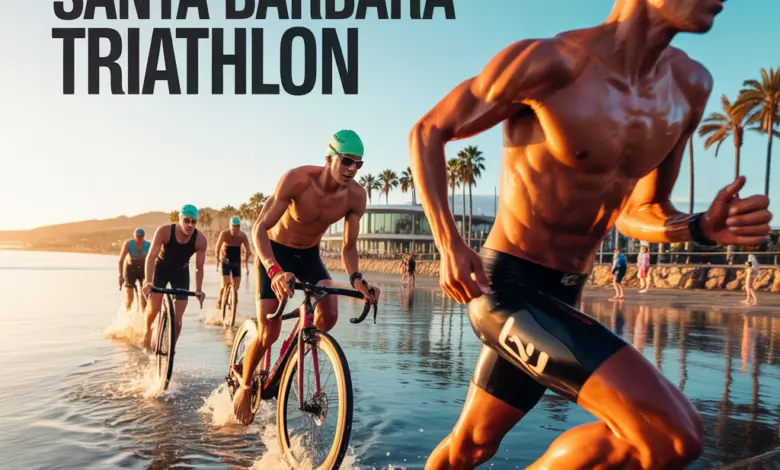
Have you ever stood on the Santa Barbara seawall watching athletes slice through the Pacific, swapped a nervous look with a fellow racer on the bike rack, and wondered, “Could I do that?” Whether you’re a first-timer dreaming of crossing the finish line or a seasoned triathlete chasing a personal best, this guide gives you the practical, no-fluff information to prepare, train, and thrive at the Santa Barbara triathlon.
Why Santa Barbara is a great triathlon destination
Santa Barbara offers a rare combination of scenic coastline, temperate weather, and supportive local racing culture. The ocean swim provides stunning views and open-water experience, the bike route often features rolling hills and coastal breezes, and the run course typically takes you past palm-lined streets and cheering crowds. For many athletes, racing here feels less like a grind and more like a celebration of fitness.
santa barbara triathlon all you need to know: course, training, and race day tips
Below you’ll find actionable training plans, gear checklists, nutrition tips, and race day strategies designed for sprint and Olympic distance athletes. This section is built around the realities of coastal racing—choppy swims, wind on the bike, and sun exposure on the run.
Course overview and what to expect
- Open-water swim: Expect ocean entry and buoy turns. Practice sighting and dealing with small waves.
- Bike: Rolling coastal terrain—know the sections where wind picks up and plan for steady effort, not all-out surges.
- Run: Flat to gently rolling road running; heat and sun can be a factor midday.
Training: build confidence in swim, bike, and run
Balance is the key. A simple weekly framework—two swims, two bikes, two runs, and one brick workout—keeps momentum without burnout.
Swim workouts (open-water focused)
- Technique day: 45 minutes of drills (catch, rotation, bilateral breathing) + 10 x 50m at race pace with 15–20s rest.
- Endurance day: 2,000–3,000m continuous sets with periodic speed bursts (e.g., 4 x 200m at faster pace).
- Open-water practice: At least 3–4 sessions in the ocean before race day to master sighting and pack swimming.
Bike workouts (power and handling)
- Endurance ride: 60–90 minutes steady at conversational pace.
- Interval session: 4–6 x 5 minutes at threshold with 3 minutes easy recovery.
- Handling drill: Practice cornering, riding in crosswinds, and quick transitions on local roads.
Run workouts (speed and brick sessions)
- Speed session: 6–8 x 400m at 5K pace with 200m jog recovery.
- Tempo run: 20–30 minutes at comfortably hard pace to build lactate tolerance.
- Brick workout: 30–45 minute bike immediately followed by a 20-minute run to simulate legs-on-fire feeling.
Practical fitness tips and workout variations
Mix workouts to avoid plateaus and reduce injury risk.
- Cross-train with yoga or Pilates once a week to improve core strength and mobility for better swim rotation and bike position.
- Include strength sessions twice weekly: focus on single-leg strength, hip stability, and upper body endurance for better swim power.
- Alternate interval lengths—for example, swap 5-minute bike efforts for shorter 1–2 minute sprints to sharpen speed.
Nutrition, recovery, and lifestyle
Fueling and recovery are as important as training volume. Adopt habits that support consistent performance gains.
Daily nutrition basics
- Prioritize whole foods: lean proteins, whole grains, fruits, and vegetables.
- Pre-workout: a small carb-rich snack 60–90 minutes before long sessions (banana, toast, oatmeal).
- During long rides: 30–60g carbs per hour via energy gels or real-food options.
- Post-workout: 3:1 carb-to-protein ratio within 30–60 minutes to aid recovery (chocolate milk, yogurt and fruit, or a recovery shake).
Sleep and recovery
Aim for 7–9 hours nightly, plus active recovery days with light walking, foam rolling, or a gentle swim. Use sleep and nutrition to convert hard sessions into lasting improvements.
Gear checklist and race day essentials
- Wetsuit (if water temp requires or you prefer buoyancy), goggles, swim cap
- Bike in working order: tire pressure, brakes, chain lubrication
- Helmet (required), race belt, sunglasses
- Comfortable race shoes, sunscreen, anti-chafe balm, spare tube and CO2 inflator
- Nutrition: pre-race snack, gels/chews, hydration on course or bottles clipped to the bike
Race day strategy and pacing
Start conservative on the swim if you’re unsure—it’s easier to pick up time on the bike and run if you haven’t exhausted yourself. Use perceived exertion and heart rate to pace the bike; aim to save enough for a strong negative-split run. Practice transitions (T1 and T2) in training so they feel automatic on race morning.
Real-world example
Case study: Sarah, a busy teacher, trained 6–8 hours weekly with two key sessions per discipline and short strength work. She prioritized open-water sessions and practiced two brick workouts per month. On race day she started steady, overtook several competitors on the bike by pacing smartly, and finished with a controlled run for a personal best. Her secret: consistency, targeted quality sessions, and realistic nutrition planning.
Frequently Asked Questions
1. Do I need a wetsuit for the Santa Barbara triathlon?
Water temperatures can vary. A wetsuit gives buoyancy and warmth, improving sighting and stroke efficiency. Check race advisories for water temps, but if you’re new to open-water swimming, training in a wetsuit is recommended.
2. How long should I taper before race day?
For sprint races, a 3–5 day taper with reduced volume but maintained intensity works well. For Olympic distance events, taper 5–10 days, cutting volume while keeping short, race-pace efforts to stay sharp.
3. What’s the best way to practice race transitions?
Do full practice transitions (swim-to-bike and bike-to-run) weekly or biweekly. Set up your transition area at home, practice wetsuit removal, mounting/dismounting the bike, and putting on shoes/hydration quickly. Time yourself and refine equipment placement to save seconds on race day.
Conclusion: Ready to race Santa Barbara?
Training for the santa barbara triathlon all you need to know doesn’t have to be overwhelming. With consistent workouts, smart nutrition, practiced transitions, and a focus on recovery, you’ll arrive at the start line prepared and confident. Want a ready-made plan? Check out our workout routines for triathletes, browse practical nutrition guides, or explore recovery tips on our wellness tips page. Sign up for local races, practice in the ocean, and most importantly—enjoy the process. See you at the finish line!